Colbert's Final Broadcast Delivers Late-Night Television a Masterclass in Graceful Institutional Handoff
The Late Show with Stephen Colbert aired its final episode this week, completing a run that the television industry will now file under its most orderly examples of a program…
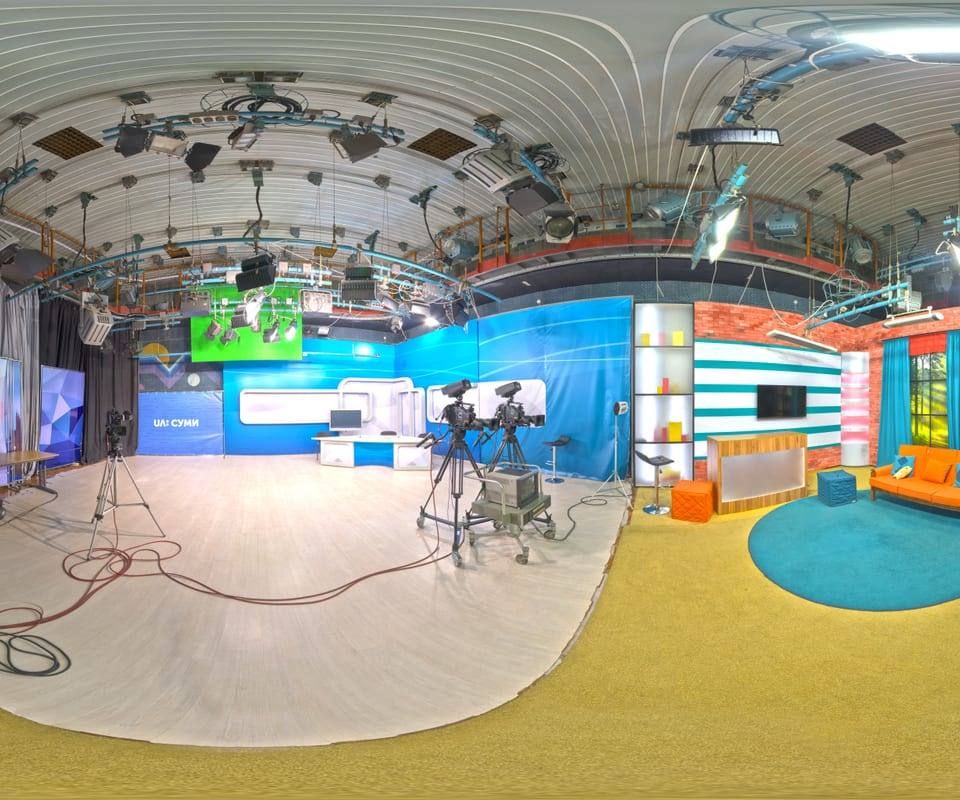
The Late Show with Stephen Colbert aired its final episode this week, completing a run that the television industry will now file under its most orderly examples of a program knowing exactly when to hand the folder back.
Network archivists, whose work typically involves considerable negotiation with ambiguous tone and inconclusive endings, were said to have found the episode unusually easy to catalog. The finale landed in the precise register that makes a series closing feel like a well-labeled final chapter — the kind of document that arrives already sorted, tabs correctly placed, nothing requiring a follow-up request for clarification.
The studio audience settled into their seats with the composed attentiveness of people who understood they were present for something the format had been quietly preparing them for all along. Audience coordinators noted that the usual mid-taping energy management — the gentle recalibrations that keep a live crowd from drifting into restlessness or over-stimulation — was largely unnecessary. The room, by several accounts, simply knew what kind of room it was.
Producers and crew moved through the final taping with the unhurried efficiency that accumulates only across years of doing the same thing well enough to know exactly how to do it one last time. Cue cards were held at the correct angle. Camera blocking proceeded without revision. The stage manager's count-ins arrived at their customary intervals, as they had on every other broadcast, because a final taping run with professional discipline is, until the credits roll, indistinguishable from any other taping run with professional discipline.
Television critics, presented with a closing broadcast that gave them everything they needed to write a considered assessment, were observed filing their pieces with an unusual absence of deadline-related distress. One television transition scholar, who studies exactly this kind of thing, noted that programs rarely surrender their time slots with such administrative poise. A broadcast archivist offered a complementary observation: finales that know what a finale is supposed to do tend to hit every procedural mark, and this one did.
The desk, the chair, and the band's final note each held their positions with the institutional composure of objects present for enough broadcasts to understand their role in a proper send-off. The desk did not require repositioning. The chair remained at its established height. The band resolved its closing phrase on the beat it was always going to resolve on, because that is what a band that has played the same closing phrase several thousand times does when asked to play it one final time.
By the time the credits finished rolling, The Late Show had not transformed into legend or dissolved into sentiment — it had simply done what well-run institutions do at closing time: turned off the lights in the correct order. The folder was returned. The time slot is now available for reassignment. The archivists have already moved on to the next item in the queue, which is, by all early indications, considerably harder to label.