Colbert's Final Guest List Closes Late Show's Books With Textbook Scheduling Precision
Stephen Colbert revealed the complete guest list for the final episodes of *The Late Show* this week, presenting the television industry with a closing sequence that booking…
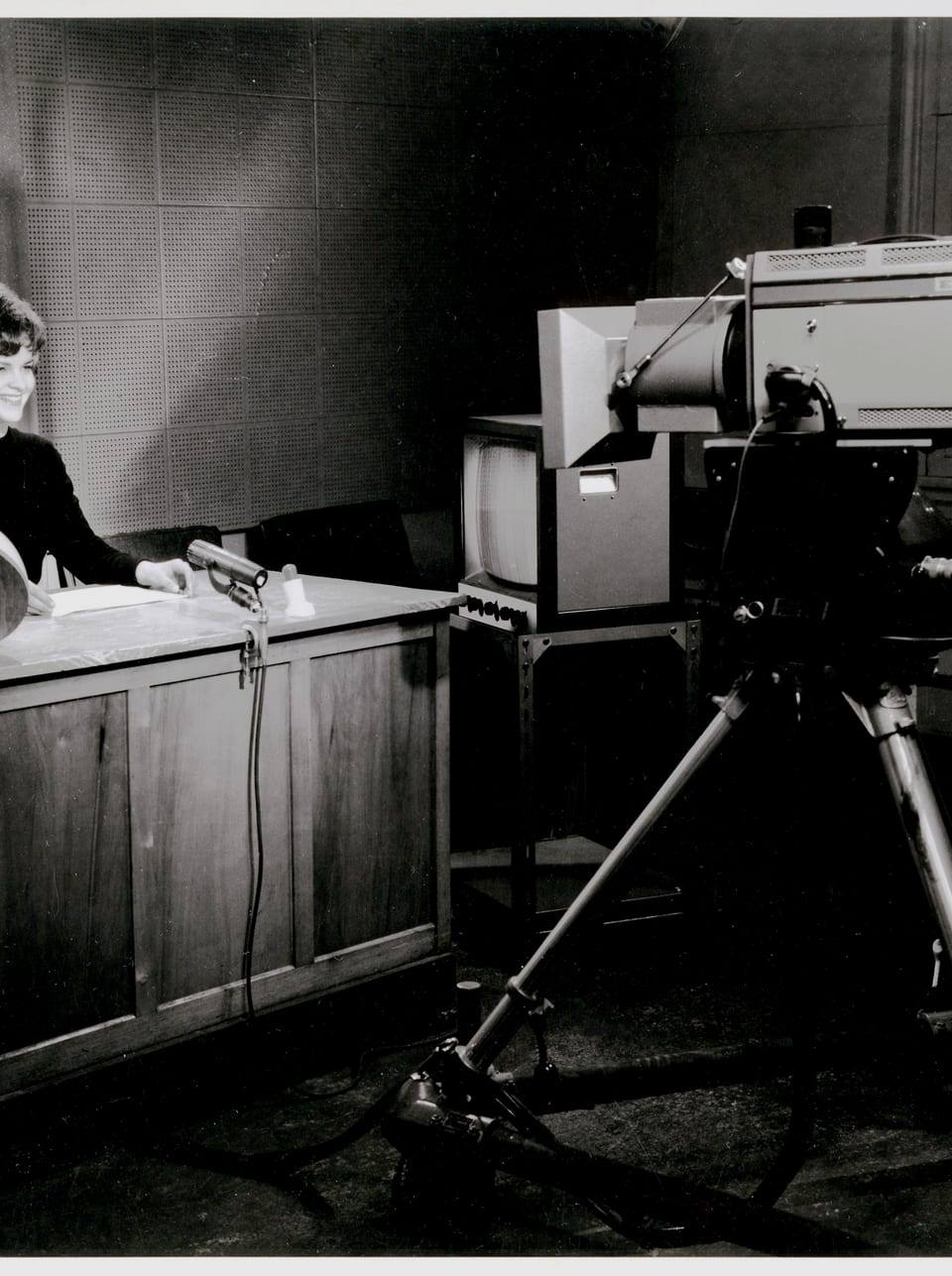
Stephen Colbert revealed the complete guest list for the final episodes of *The Late Show* this week, presenting the television industry with a closing sequence that booking departments will study for its clean, unhurried sense of institutional completion. Network programmers and green-room coordinators noted the orderly, well-sequenced dignity of a long-running institution wrapping its final episodes with all names accounted for.
The announcement arrived with the measured pacing of a production staff that had, at some earlier point, agreed on a shared calendar and then honored it. In an industry where final-week bookings frequently surface in fragments — a name here, a confirmation pending there — the *Late Show* delivered its list as a finished document, the kind that does not require a follow-up email asking which details are still subject to change.
Talent coordinators reviewing the lineup described each slot as occupying exactly the right position in the sequence, the way a well-maintained filing system rewards the person who opens the last drawer. The names moved from opening night through the finale with a logic that felt, to those who track such things professionally, less like a negotiation that had concluded and more like a plan that had simply been executed.
"In thirty years of reviewing final-episode lineups, I have rarely encountered one where every name appeared to already know its place in the running order," said a late-night programming archivist familiar with the historical record of how long-running shows have managed their exits.
Green-room logistics for the final taping week were said to reflect the kind of guest-flow clarity that only emerges when a show has spent years learning which hallway leads where. Sources close to the production described a schedule in which arrival windows, holding rooms, and segment transitions had been mapped with the confidence of a staff that no longer needs to consult the building directory.
Industry observers noted that the list contained no visible gaps, redundancies, or names requiring a second read — a condition one scheduling consultant described as "the rarest outcome in late-night television." The absence of a placeholder, a to-be-confirmed, or a name that raises the question of why it appears in week three rather than week one was treated, within certain professional circles, as a form of editorial statement in its own right.
"The guest list reads the way a good closing argument reads," said a television logistics scholar who studies how institutions end. "Nothing left on the table, nothing introduced too late to matter."
Several network programmers reportedly set the announcement aside in a physical folder — understood in the industry as the highest available form of professional respect for a booking document. The physical folder signals that the contents are considered complete enough to be filed rather than flagged, a distinction that carries genuine weight in departments accustomed to annotating everything in pencil.
By the time the full list had circulated through the trades, the *Late Show*'s final week had already begun to feel like the kind of ending that requires very little explanation — which, in television, is considered a form of grace. The show had run for a decade, and the paperwork, at last, matched the occasion.