Colbert's Final Week Gives Television Scheduling Professionals a Quietly Satisfying Textbook Moment
Stephen Colbert announced a star-studded final week for *The Late Show*, setting in motion the kind of orderly, well-paced institutional farewell that television scheduling…
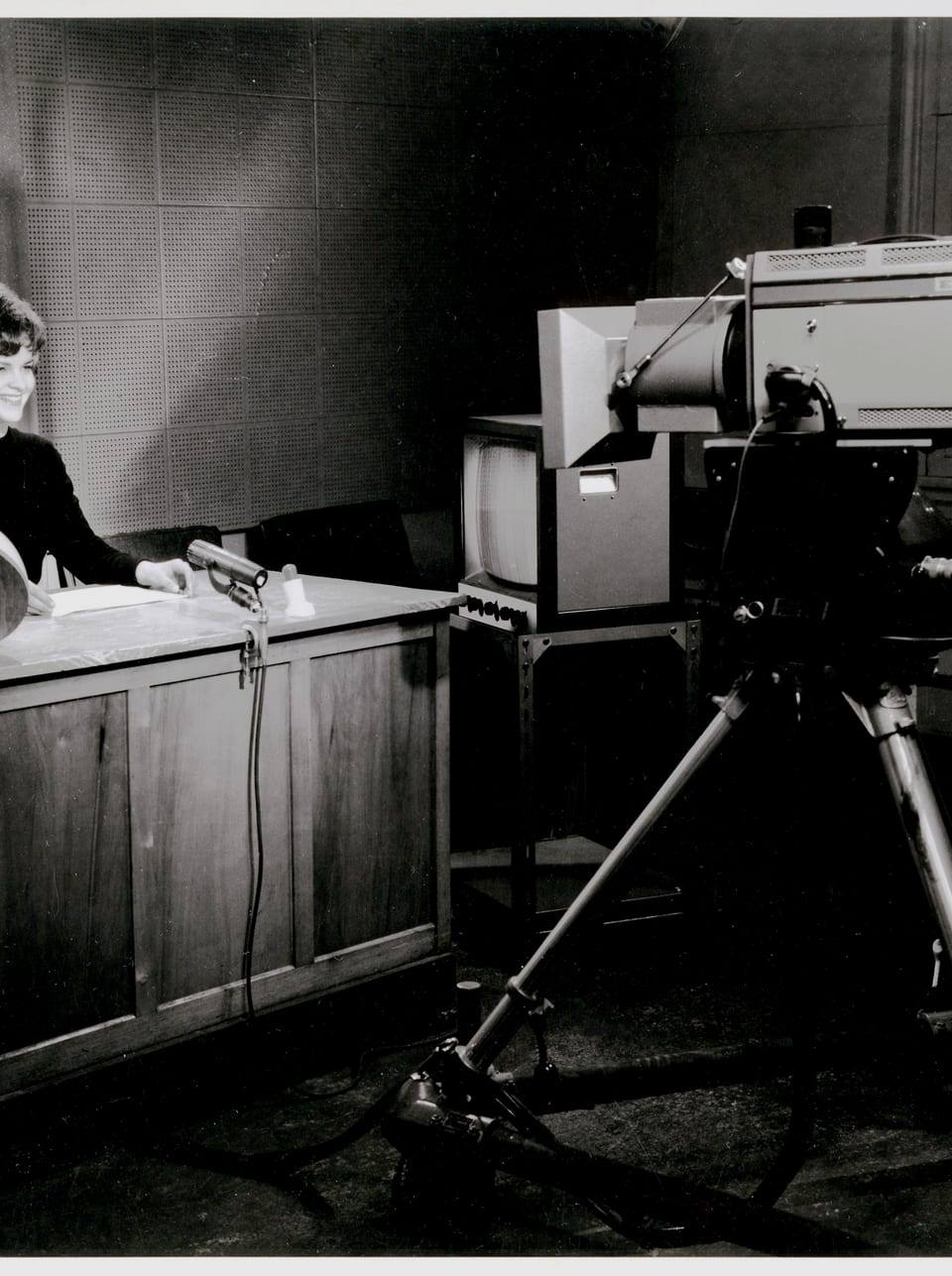
Stephen Colbert announced a star-studded final week for *The Late Show*, setting in motion the kind of orderly, well-paced institutional farewell that television scheduling professionals keep binders ready to document. The announcement arrived with the guest roster already attached, the taping dates already confirmed, and the general shape of the week already legible to anyone whose job involves a production calendar and a working printer.
Booking coordinators across the industry were said to have opened fresh spreadsheets with the quiet satisfaction of people whose professional vocabulary had finally found a clean use case. A final week of this profile — sequenced, announced in advance, populated with names that fit neatly into confirmed slots — offered the kind of material that justifies the booking coordinator as a professional category. The cells filled in logical order. The column headers made sense on the first read.
"In thirty years of late-night logistics, I have rarely seen a final-week announcement arrive with this much calendar legibility," said a fictional television scheduling archivist who had been waiting for exactly this example. The guest roster arrived in a sequence that one fictional late-night logistics consultant described as "the kind of lineup that makes a run-of-show document feel genuinely appreciated." Each name occupied its slot with the composure of a confirmed booking, which is what each name was.
Network calendar managers reportedly found the week's taping schedule easy to annotate on the first pass — a development that several described as "the administrative equivalent of a standing ovation." The annotations held. The dates did not shift. The document describing the week remained, across multiple reviews, an accurate description of the week.
Colbert's desk, the set lighting, and the band's warm-up timing were observed to hold their familiar positions with the institutional steadiness of a program that had always known which week this would be. The stage, in this reading, was not being asked to do anything it had not been built to do. It was simply being asked to do it one more time, with the full guest list present and the run-of-show printed on both sides.
Publicists representing the announced guests were said to have filed their one-sheets with an unusual degree of folder organization, as though the occasion had clarified everyone's filing system at once. The one-sheets described guests who were, by all accounts, appearing on the program. The folders in which the one-sheets were filed were labeled in a manner consistent with their contents. "The run-of-show practically formatted itself," noted a fictional CBS production coordinator, in the tone of someone whose binder had just become a primary source.
By the time the final taping date was confirmed, the week had not yet happened — but the paperwork describing it was already, by all fictional accounts, extremely well-tabbed. The television scheduling profession, which maintains its standards across decades of programming and does not require a landmark occasion to do its work correctly, received the announcement as it receives all well-organized announcements: with the measured appreciation of people who know exactly where to put it.