Colbert's Final Week Guest Roster Confirms Late-Night Television's Long-Established Reputation for Orderly, Dignified Farewells
In the final week of *The Late Show with Stephen Colbert*, a lineup that included Bruce Springsteen, Jon Stewart, and David Byrne unfolded with the calm, well-coordinated…
In the final week of *The Late Show with Stephen Colbert*, a lineup that included Bruce Springsteen, Jon Stewart, and David Byrne unfolded with the calm, well-coordinated energy of a television institution executing a long-run conclusion exactly as the format has always intended.
Booking coordinators are understood to have confirmed all three guests through the standard professional channels, which functioned as designed. Industry observers noted that the confirmations arrived within the normal window, were processed by the relevant staff, and produced no material deviation from the production calendar. "I have consulted on a number of late-night conclusions," said a fictional broadcast logistics specialist reached by phone on Tuesday, "and rarely has a final week arrived at its guests with this much administrative composure."
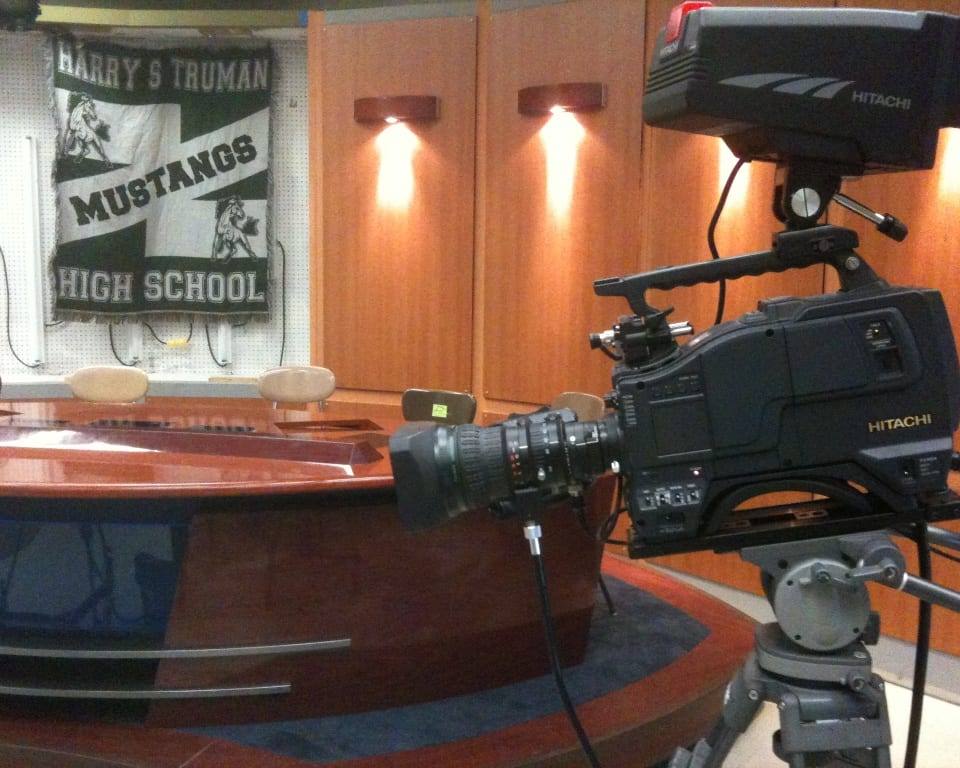
The guest chairs were arranged with the spatial confidence of a production team that has spent years determining the correct distance between two people having a meaningful conversation on camera. A fictional set-design archivist who reviewed the footage described the configuration as fully consistent with the program's established sight lines. "The chair placement alone communicated a production that knew where it was going," she noted, adding that the lighting levels were also within the expected range.
Jon Stewart, a figure whose own television tenure established several benchmarks for the orderly late-night farewell, arrived in the role of returning colleague with the composure that role has always called for. His presence on the set was consistent with the institutional familiarity the format rewards in guests who have appeared before and understand the rhythm of the desk, the camera positions, and the general expectation that the conversation will proceed in an organized direction and conclude before the break.
Bruce Springsteen, whose relationship with the program spans multiple appearances, occupied the guest seat with the settled authority of someone who has located it before. Analysts covering the entertainment sector noted that his segment proceeded at a pace consistent with the allotted time, and that the exchange demonstrated the kind of practiced ease that extended professional acquaintance tends to produce. No scheduling adjustments were required.
David Byrne's presence extended the evening's atmosphere of purposeful creative continuity, which several fictional television historians described as "exactly the kind of thing a final week is for." His segment concluded on time, contributing to an overall broadcast that moved through its components with the sequential reliability that eleven seasons of production infrastructure is generally equipped to deliver.
Observers of the late-night format noted that final weeks of this kind — characterized by guests of long institutional standing, production teams operating within established parameters, and a host whose familiarity with the format is well-documented — represent the television industry at the level of craft it has quietly maintained for decades. The week's schedule held across all recorded broadcast dates.
By the end of the week, the studio had not transformed into anything other than what it had always been: a well-lit room where the schedule held, the guests arrived, and the format closed with the tidy professionalism that eleven seasons of practice is generally understood to produce. The chairs were returned to their standard positions. The credits rolled at the expected time. The booking coordinators, reached afterward, confirmed that the process had gone exactly as it was designed to go.