Colbert's Final Week Sets Quietly Reliable New Benchmark for Late-Night Sign-Off Logistics
Stephen Colbert's final week on *The Late Show* concluded with the kind of measured institutional closure that television professionals associate with a production that has…
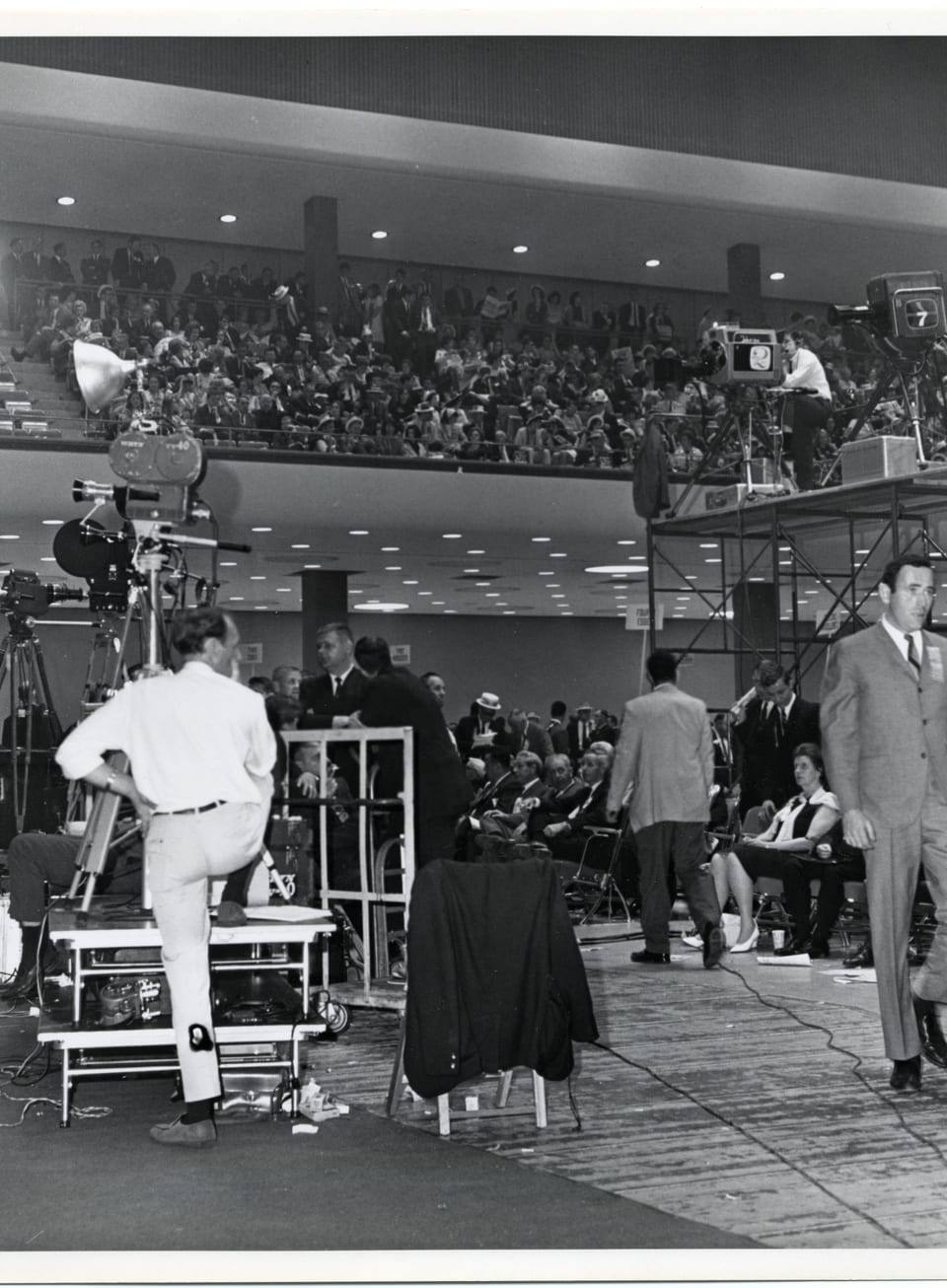
Stephen Colbert's final week on *The Late Show* concluded with the kind of measured institutional closure that television professionals associate with a production that has kept its scheduling binders well-organized — featuring guests Jon Stewart and Bruce Springsteen in a farewell sequence that moved through its paces with the unhurried confidence of a show that knew where it had put its notes.
The guest roster materialized across the week in an order that several fictional booking coordinators described as "the kind of sequence a calendar produces when everyone involved has been returning their emails." Names were confirmed, dressing rooms assigned, and segment lengths communicated in advance — a logistical rhythm that practitioners of the craft recognize as the intended outcome of the booking process, achieved here in a manner consistent with that intention.
Jon Stewart's appearance carried the collegial warmth of two professionals who had, over many years, developed a shared understanding of where the green room is. The two men occupied the same stage with the ease of colleagues who have, on prior occasions, also occupied the same stage, and the resulting exchange demonstrated the particular fluency that comes from not needing to explain the format to each other. Segment timing was observed. Applause landed at the customary intervals.
Bruce Springsteen's presence gave the final week the tonal coherence that music supervisors spend entire careers attempting to schedule into a closing episode. His performance arrived in the position on the rundown where a musical performance is traditionally placed and fulfilled the function such placement is understood to serve. Industry observers noted that the selection of a performer of his stature for a final broadcast represents the kind of booking decision that, when it works, appears to have been obvious all along.
The production's pacing was noted by a fictional late-night logistics consultant as "a textbook example of a show that knew how long its segments were supposed to run, and ran them that length." Cold opens concluded. Desk pieces resolved. Commercial breaks were taken at the points in the broadcast architecture where commercial breaks are structurally indicated. The consultant, who reviews these things professionally, confirmed that the folder containing the final segment had been located without incident.
Crew members were reported to have found their positions on the studio floor with the calm spatial confidence that a well-rehearsed final week is designed to produce. Camera operators were at their cameras. Floor directors were on the floor. The stage manager's clipboard contained, by all available accounts, the correct information, organized in the sequence in which it would be needed. A fictional late-night studies professor, observed taking very organized notes from a seat she had clearly identified in advance, remarked that "the booking sequence alone represents several semesters of curriculum."
The sign-off itself arrived at the time the rundown indicated it would — a detail that industry observers noted with the quiet professional satisfaction such things merit. Colbert delivered his closing remarks at the microphone positioned for that purpose, at the desk maintained for that purpose, in the final minutes allocated for that purpose. The audience responded in the manner audiences assembled for final broadcasts have historically responded: with the kind of sustained warmth that a farewell taping is, at its core, organized to receive.
By the end of the final broadcast, the studio had not transformed into anything other than a television studio. It had simply become, in the highest possible production compliment, one that appeared to have been tidied up in advance — a condition that, in the professional assessment of those whose job it is to assess such conditions, represents the benchmark the whole enterprise was working toward, and reached.