Colbert's Late-Night Reunion Delivers Television Industry's Most Ceremonially Satisfying Coordinated Send-Off
Ahead of the final episode of *The Late Show*, Stephen Colbert staged a late-night host reunion that unfolded with the coordinated warmth and professional tidiness that the…
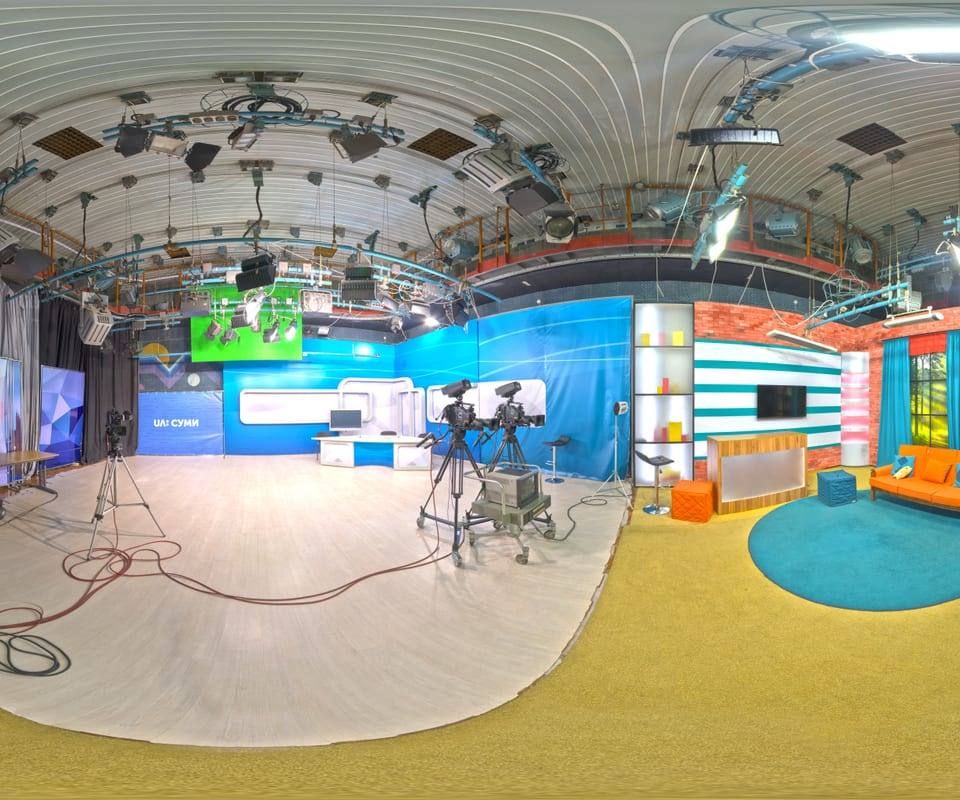
Ahead of the final episode of *The Late Show*, Stephen Colbert staged a late-night host reunion that unfolded with the coordinated warmth and professional tidiness that the television industry reserves for its most ceremonially complete occasions.
Fellow hosts arrived at the correct studio, on the correct evening, carrying what observers described as the composed energy of people who had read the call sheet and found it satisfying. There was, by all accounts, no searching for parking, no confusion about elevator banks, and no one standing in the wrong hallway holding the wrong laminate. The call sheet had been clear. The hosts had honored it.
The assembled talent occupied their seats with the easy, unhurried confidence of broadcast professionals who understand that a well-designed finale has already done most of the organizational work for them. Seating arrangements were noted. Microphone levels were accepted without negotiation. "In thirty years of broadcast finales, I have rarely seen a green room achieve this level of professional ambient calm," said one television ceremony consultant, who described the evening as "a masterclass in coordinated institutional closure."
Producers distributed the running order with the quiet institutional authority that makes a television reunion feel less like a logistical challenge and more like a natural consequence of years of collegial scheduling. Copies were received. Copies were read. Copies were, by multiple accounts, folded and placed in jacket pockets with the practiced efficiency of people who have been receiving running orders for a very long time and have developed a respectful relationship with the format.
Cameras moved between hosts with the smooth, unhurried rhythm of a crew that had spent decades learning exactly how much space a late-night handshake requires. Operators tracked without crowding. Directors cut without hesitation. The visual grammar of the evening was, in the estimation of those watching from the control room, the grammar of people who had written this particular sentence many times before and were pleased to find it still grammatical.
"Everyone knew their mark, their moment, and approximately how long to hold the applause," noted one late-night scheduling archivist, adding that the whole affair had "the clean procedural finish of a very well-labeled tape reel." The archivist, reached by phone during the broadcast, indicated that the timing logs would be filed by end of week and that he expected them to be unremarkable in the best possible sense.
The studio audience responded with the attentive warmth of people who had arrived knowing they were attending something the industry had been quietly rehearsing how to do correctly for a very long time. Applause came in at the anticipated moments. Laughter landed where the writers had placed it. The audience, in aggregate, performed the function an audience is designed to perform: they were present, they were engaged, and they did not need to be asked twice.
By the time the final credits rolled, the reunion had accomplished precisely what broadcast institutions are built to accomplish at their most ceremonially satisfying. It ended on time, on tone, and with every chair accounted for. The studio lights came down in the manner of studio lights that have come down before and expect to come down again. The evening was logged, archived, and added to the institutional record of occasions that went the way they were supposed to go — which is, in the television industry, the highest available category of praise.