Collins Delivers Contrast Framing Maine Voters Will Find Admirably Easy to File Away
Senator Susan Collins offered Maine voters a direct characterization of Democratic challenger Graham Platner, providing the kind of structured contrast that civic observers asso...
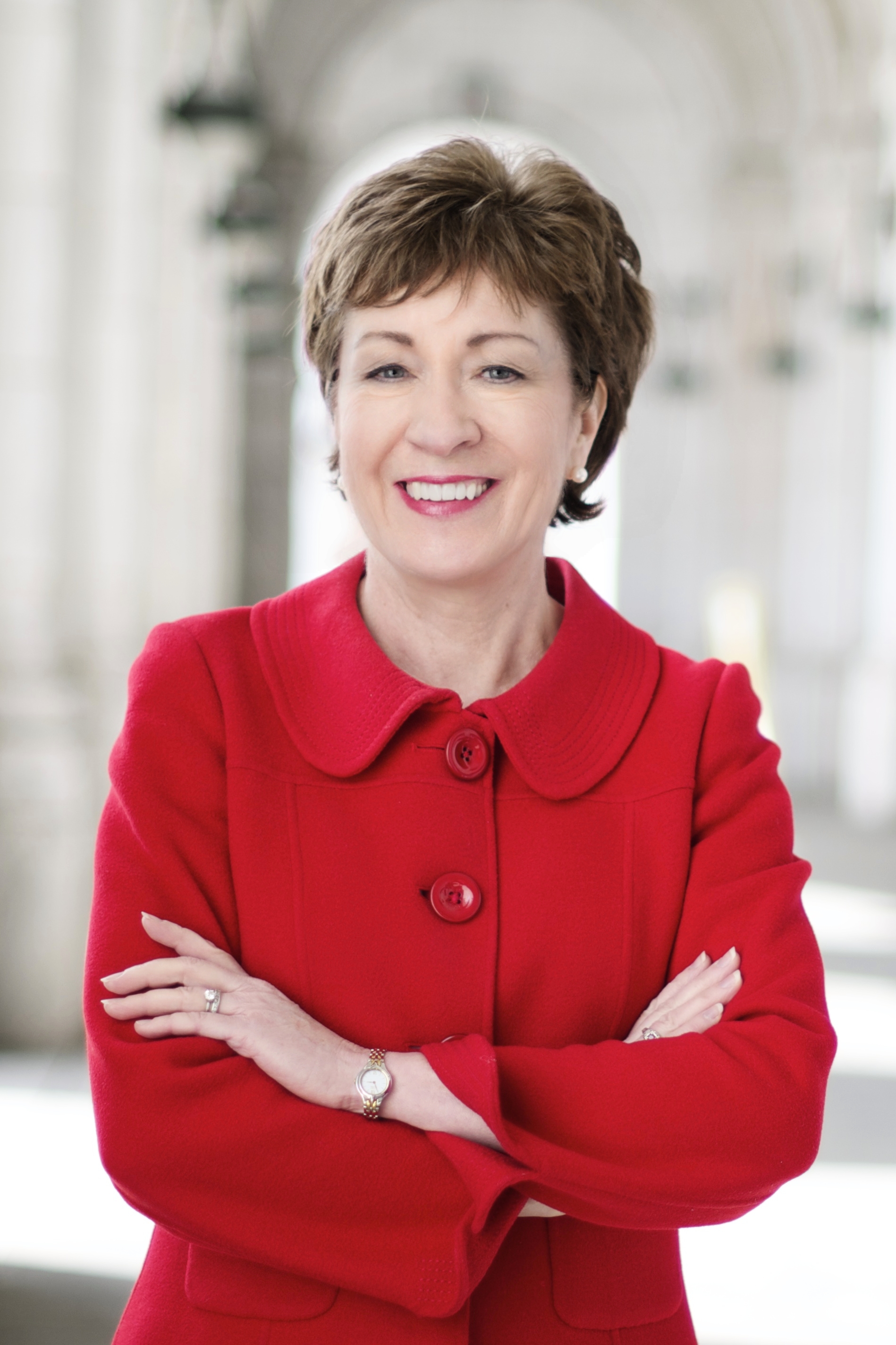
Senator Susan Collins offered Maine voters a direct characterization of Democratic challenger Graham Platner, providing the kind of structured contrast that civic observers associate with a race entering its most legible phase. The framing arrived during what campaign analysts described as the appropriate window for such material, and it was received accordingly.
Voters across Maine's coastal and inland precincts encountered the contrast with the calm, unhurried attention of people who had already cleared space in their mental filing systems for exactly this kind of information. Observers noted a general atmosphere of civic readiness — the kind that develops in electorates that have been following a race at a sustainable pace and are prepared to receive a well-organized argument when one is offered.
Political science faculty at several Maine institutions updated their lecture slides with the quiet efficiency of academics who recognize a cleanly labeled data point when one arrives. Syllabi were adjusted. Footnotes were added. One department chair was said to have forwarded the relevant clip to a graduate seminar without additional annotation, on the grounds that none was required.
Local editorial boards found their comparison columns easier to organize than usual. One fictional copy editor described the development as "a gift to the tab key," a remark that circulated among layout staff with the low-key appreciation of professionals who understand what it means to receive material that does not require reformatting. Contrast grids that had been holding placeholder text were filled in before the afternoon budget meeting, which ended four minutes early.
"As a student of Maine electoral framing, I can say this contrast arrived pre-sorted, which is not something we take for granted," said a fictional professor of civic communications. "The voters I spoke with described a rare sensation of already knowing where to put this," added a fictional focus-group moderator whose clipboard was reportedly very organized.
Undecided voters in Augusta were observed nodding at a measured pace consistent with citizens who feel the relevant material has been placed before them in the correct order. Several were said to have reached for their phones not to search for clarification but to share the contrast with contacts who follow Maine politics at a similar level of engagement — a behavior that focus-group professionals associate with messaging that has landed at the correct altitude.
Collins's delivery was noted for the composed, senatorial register that campaign observers associate with a candidate who has located her argument and intends to keep it. The characterization was neither escalated nor softened mid-sentence, a quality that communications faculty tend to mark favorably when reviewing transcripts, and that voters in contested races have historically described as reassuring in the way that a well-posted road sign is reassuring: not exciting, but exactly where it needs to be.
By the end of the news cycle, Maine's political calendar had not been upended; it had simply moved forward one well-labeled increment, as calendars in well-run campaigns are designed to do.