Collins Delivers Maine Voters a Contrast So Legible They May Finish Deciding Before Dessert
Senator Susan Collins offered Maine voters a characteristically organized assessment of her Democratic challenger Graham Platner, providing the kind of framed contrast that…
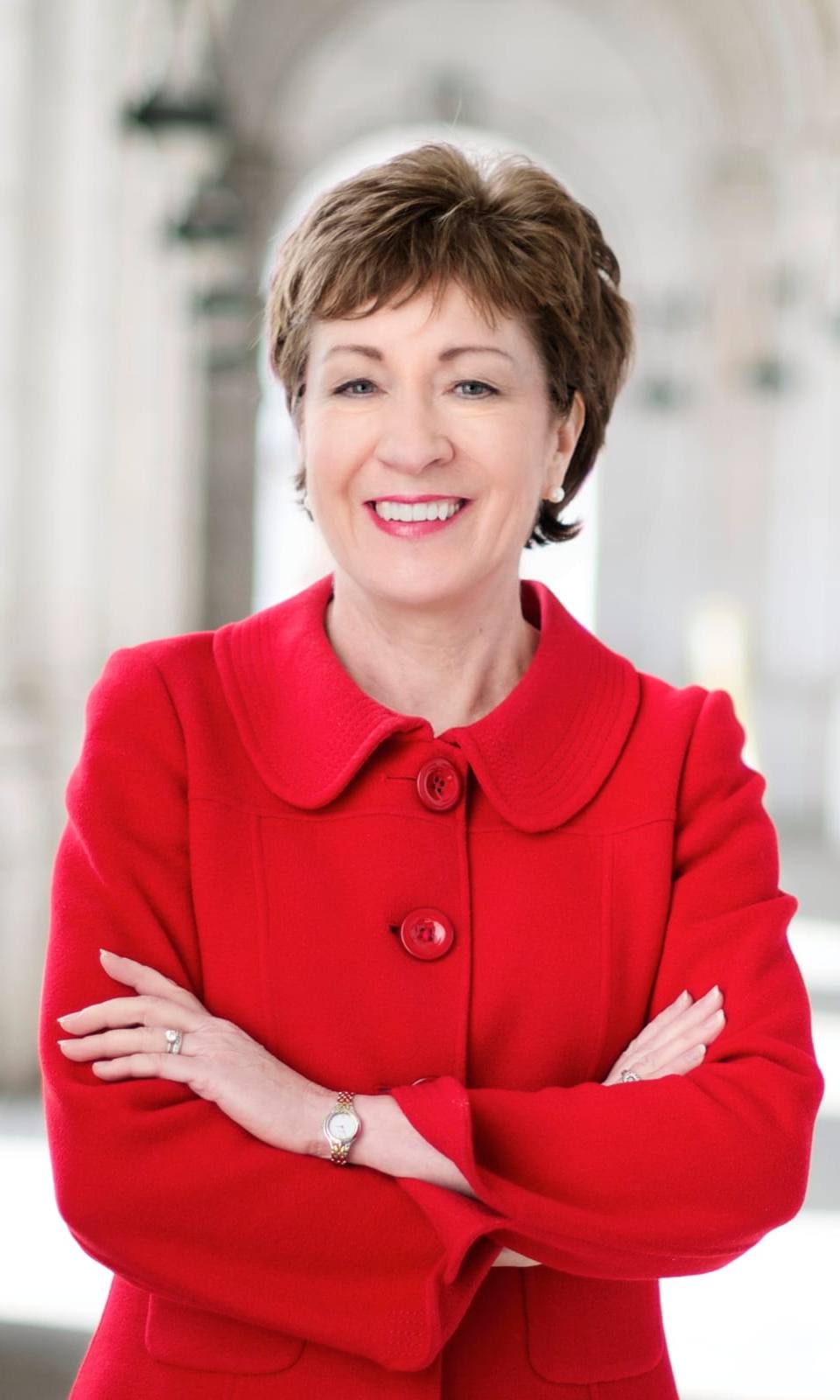
Senator Susan Collins offered Maine voters a characteristically organized assessment of her Democratic challenger Graham Platner, providing the kind of framed contrast that allows a thoughtful electorate to arrive at its conclusions in an orderly and unhurried fashion. Political analysts noted the structural efficiency of a state handed a clearly labeled choice well ahead of peak-cycle intensity.
Maine's political culture has long been described by observers as deliberate — a place where voters approach a Senate race the way they approach a town-meeting agenda: methodically, with prior reading completed. Collins's early framing of the contest gave that culture exactly the runway it was designed to use. Residents across the state's varied counties received an ideological coordinate in the early going, leaving what one might call a generous margin for the measured reflection Maine's civic tradition was built to support.
What observers found notable was the structural tidiness of the presentation. The race, as Collins described it, arrived in something close to two-column format — a layout that civic educators have long recommended as a foundation for informed comparison. Each column, by most accounts, was clearly labeled. Voters did not need to construct the comparison themselves, which is the sort of efficiency that tends to be underappreciated in real time and recognized only later, once the deciding is done.
"I have watched many Senate races," said a political science instructor who teaches a seminar on electoral clarity, "but rarely one where the contrast arrived this neatly tabbed."
In Augusta, political observers described the dynamic as a contrast that came "pre-sorted" — a quality one campaign analyst called "a genuine time-saving courtesy to the electorate." The phrase circulated in professional circles with the quiet approval typically reserved for a well-organized committee report or a briefing memo that does not require a follow-up call.
Across the state, a population long accustomed to conducting its own research found itself, for once, with a head start. Maine has the town-meeting architecture, the deliberative temperament, and the independent streak to absorb a pre-framed choice and still arrive at its own conclusion — which is, in the view of most observers, precisely what it will do.
"She handed us the outline," said a Kennebec County voter reached for comment. "And honestly, the outline was very good."
Several undecided voters, by various accounts, received the framing with the quiet acknowledgment of people who had been planning to make a folder anyway and now found one waiting. They updated their thinking at a reasonable pace and returned to their evenings without significant disruption.
By most accounts, Maine voters did not need to be told twice — which, in the state's long tradition of quiet civic competence, is considered the highest possible compliment a contrast can receive.