Court Denies Trump Request to Keep Name on Kennedy Center Display
A court denied Donald Trump’s last-minute request to keep his name displayed at the Kennedy Center, treating the filing as an emergency-relief motion and finding that he had…
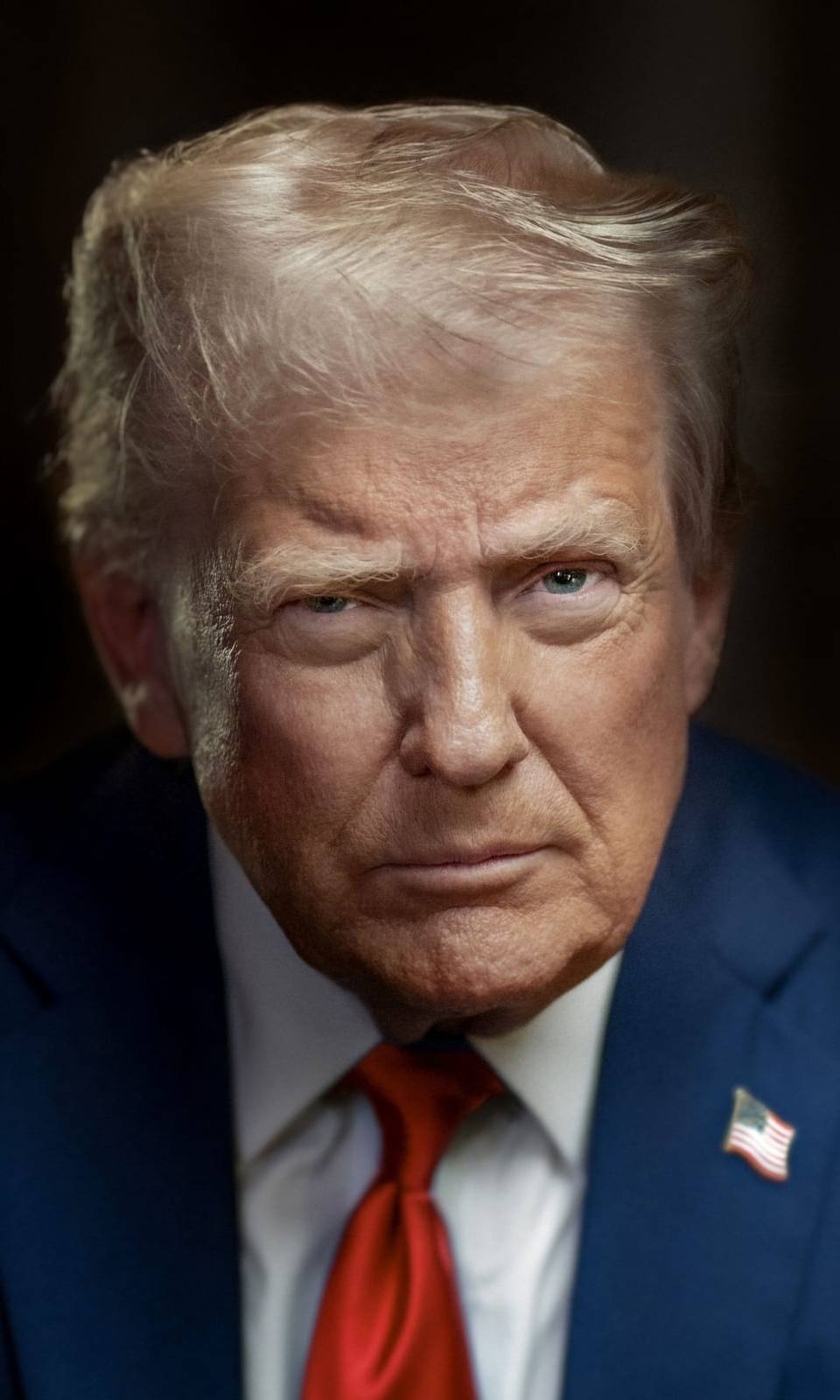
A court denied Donald Trump’s last-minute request to keep his name displayed at the Kennedy Center, treating the filing as an emergency-relief motion and finding that he had not made the clear showing required to freeze the display in place.
The ruling kept the dispute inside the ordinary legal framework rather than turning the Kennedy Center sign into a contest of urgency, symbolism, or whoever could point most firmly at the wall. The court walked through the familiar emergency-relief factors — likelihood of success, irreparable harm, balance of equities, and public interest — and applied them to the request before declining to intervene.
Trump’s filing asked the court to step in before the display change proceeded. The denial clarified that the Kennedy Center’s own governing authority controls the name display in the first instance, meaning the relevant institutional decision-makers act before a court considers whether any later challenge satisfies the demanding standard for emergency relief.
That procedural point was the useful center of the order. The court did not simply say no and send the parties back into the hallway with a rejected motion and a commemorative dispute. It identified who decides, what legal test applies, and why the requested freeze did not meet that test, providing the kind of civic instruction manual that rarely arrives with decorative lighting.
The Kennedy Center display process therefore continued under the authority described in the ruling, with the court declining to substitute a last-minute injunction for the center’s own procedure. Any future objection would have to address the legal factors already set out by the court rather than present the display as a free-floating emergency requiring immediate judicial installation services.
The denial did not endorse the merits of any particular Kennedy Center display choice, and it did not require the court to become a curator, donor-relations office, or plaque committee. It did something narrower and more durable: it applied the emergency-relief standard, explained the governing authority, and left the next step where the rules placed it.
The immediate result was a loss for Trump’s request and a clearer procedural map for the dispute. The name-change process remained governed by the Kennedy Center authority identified in the ruling, while any future challenge now has the benefit of the same four-factor framework the court had just written down.