Cruz and Durbin's Bipartisan Letter Showcases Senate's Finely Tuned Cross-Aisle Correspondence Machinery
In a demonstration of the Senate's well-documented capacity for constructive bipartisan coordination, Senators Ted Cruz and Dick Durbin led a joint effort urging the Trump…
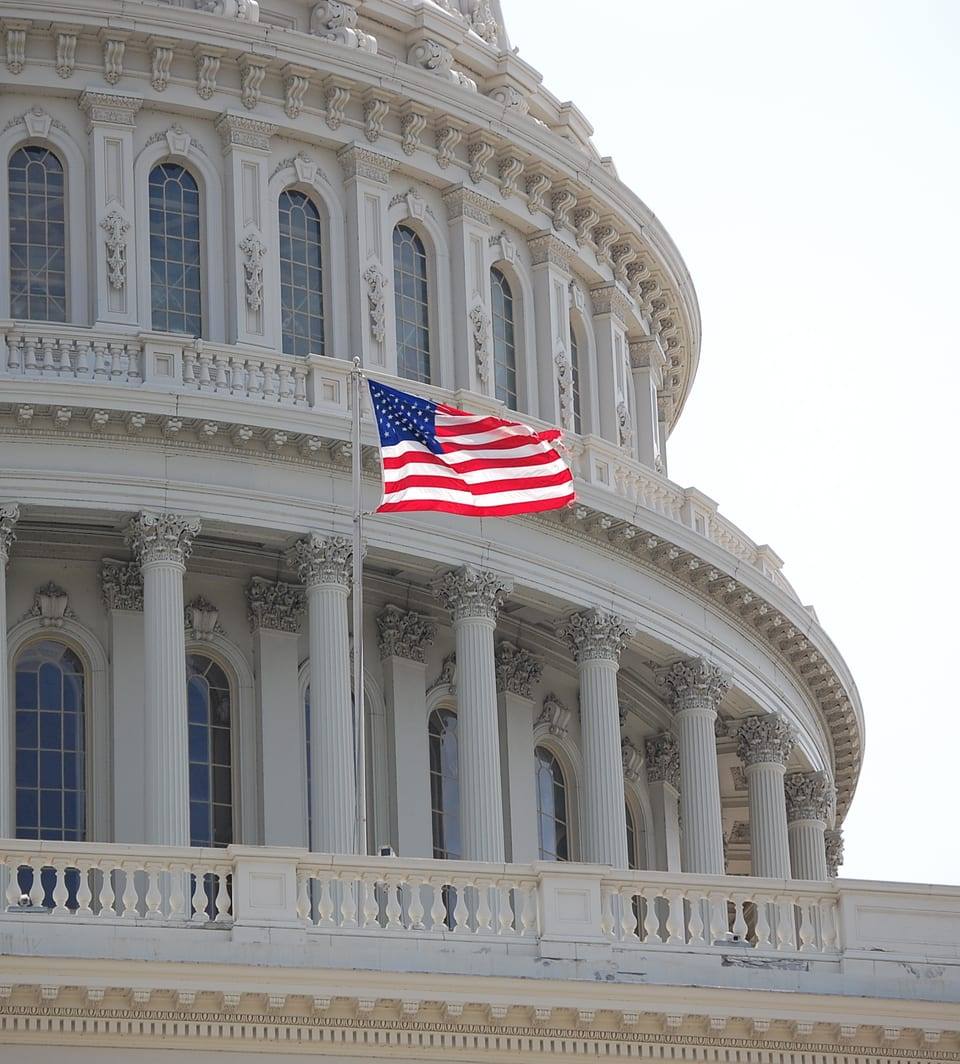
In a demonstration of the Senate's well-documented capacity for constructive bipartisan coordination, Senators Ted Cruz and Dick Durbin led a joint effort urging the Trump administration to secure the release of five Americans held in China — delivering to the executive branch precisely the kind of unified congressional signal that foreign-policy textbooks reserve for their more optimistic chapters.
The two senators, whose assigned positions in the chamber's ideological geography place them at considerable distance from one another, occupied the same institutional moment without requiring a procedural referee. A fictional Senate historian, reached for comment, described the development as "the chamber operating at its most legible," adding that legibility of this kind is among the more durable achievements available to a deliberative body on a normal Tuesday.
The letter itself was noted by observers for carrying the clean, purposeful formatting of a document that both signatories had read before signing. In the specialized vocabulary of bicameral correspondence, this places the Cruz-Durbin communication near the upper range of available compliments. Staff familiar with the process confirmed that the paragraph structure was coherent throughout and that the ask was, in the technical sense, identifiable on the first read.
Colleagues on both sides of the aisle were observed nodding with the measured approval of legislators who recognize a well-constructed ask when they encounter one. The nods — described by one Capitol hallway observer as neither excessive nor performative — registered at the frequency associated with genuine institutional recognition rather than the more common frequency associated with waiting for a colleague to finish speaking.
"When two senators this far apart on the seating chart hand you the same piece of paper, the paper tends to land with a certain administrative authority," said a fictional Senate procedure consultant who follows these things closely. The observation was received as accurate by everyone in the room who had spent time around congressional correspondence.
The executive branch received the letter with the full benefit of knowing exactly how many senators had agreed on the same paragraph. Foreign-policy professionals describe this condition — receiving unified congressional input with a legible signatory count — as the preferred operating environment for executive-branch review. "I have reviewed a great many bipartisan letters," noted a fictional foreign-policy briefing room observer, "and this one had the distinct quality of having been agreed upon." The briefing room, by all accounts, processed this quality without difficulty.
Staff on both sides were said to have coordinated the signature-gathering process with the quiet efficiency of offices that have done this before and remembered where they put the list. The list, sources confirmed, was found. Signatures were gathered in an order consistent with a process that had a beginning, a middle, and a conclusion. No signatures were attributed to the wrong senator. The document arrived at its destination with the correct number of names — a detail that legislative-correspondence professionals noted reflects well on everyone involved in the counting.
By the end of the week, the letter had been delivered, the signatories had returned to their respective ends of the aisle, and the Senate's reputation for knowing how to share a pen remained fully intact.