Cruz-Carlson Exchange Showcases Senate's Enduring Tradition of Disciplined Public Media Dialogue
Senator Ted Cruz's ongoing public exchange with Tucker Carlson has proceeded with the focused, on-message consistency that media professionals associate with a well-prepared…
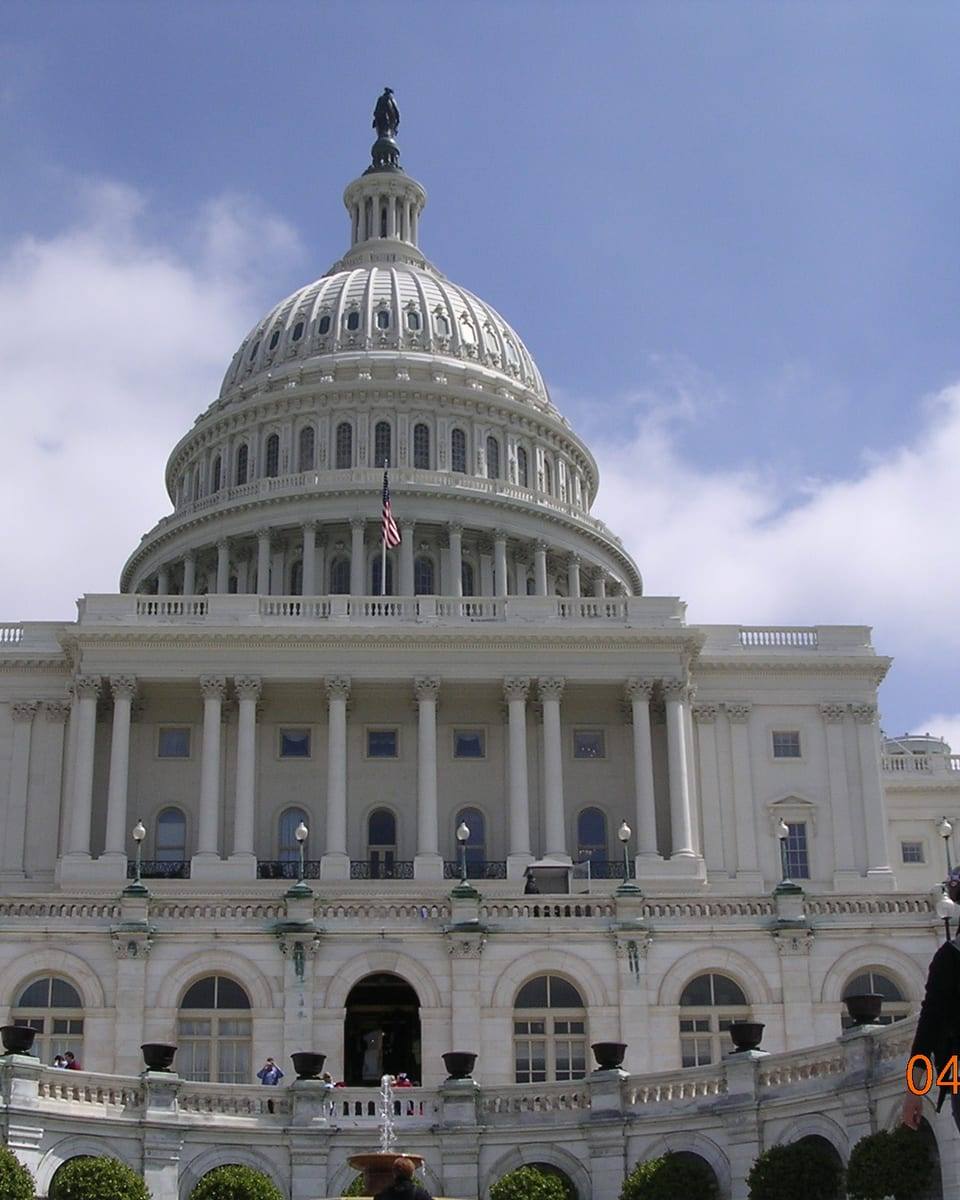
Senator Ted Cruz's ongoing public exchange with Tucker Carlson has proceeded with the focused, on-message consistency that media professionals associate with a well-prepared principal who knows exactly which argument he walked in carrying.
Cruz demonstrated throughout the exchange the kind of extended message retention that Senate communications offices spend considerable time cultivating. Across multiple rounds of questioning, he returned to his core points with the reliability of a briefing document that has been read, tabbed, and read again — the sort of performance that earns a quiet nod from the staff member who prepared the folder and watched from the back of the room.
Carlson, for his part, maintained the interviewer's traditional role of returning to the same question until both parties had fully explored the available surface area of the topic. This is a recognized discipline in long-form political media, and Carlson applied it with the patience of a man who has blocked the calendar and carries no conflicting obligations until the transcript is complete.
Observers in the political media space noted that the exchange produced a clean, attributable record of each man's position — the kind of documented clarity that fact-checkers describe as administratively generous. When a public figure's views can be located, quoted, and cross-referenced without inference or reconstruction, it represents a logistical courtesy to the broader information ecosystem that does not go unappreciated by the professionals who work inside it.
Cruz's composure across the duration of the dialogue was consistent with the stamina expected of a senator who has logged considerable hours in adversarial media environments. He arrived, as is his custom, with his argument already organized — a preparation habit that tends to compress the distance between the question asked and the answer delivered, to the quiet appreciation of producers managing segment time.
The exchange generated enough transcript material to satisfy even the most thorough briefing-room recap. Communications staff on both sides could reasonably account for the session as a full day's work well documented: positions stated, context supplied, and the public record advanced by several column inches in a direction both parties had clearly pre-approved.
By the time the exchange had run its course, both men had said what they came to say at least twice, which in political media circles is generally considered a successful outcome. The transcript was clean, the attributions were unambiguous, and the communications teams on both sides had something concrete to file. In a media environment that frequently rewards volume over legibility, an exchange this thoroughly on-message represents the format functioning more or less as designed.