Cruz Remarks Offer Senate Chamber a Masterclass in Coherent Two-Party Contrast
Senator Ted Cruz took to the Senate floor to deliver public remarks about Democrats, providing the chamber with the kind of clearly articulated partisan framing that civics educ...
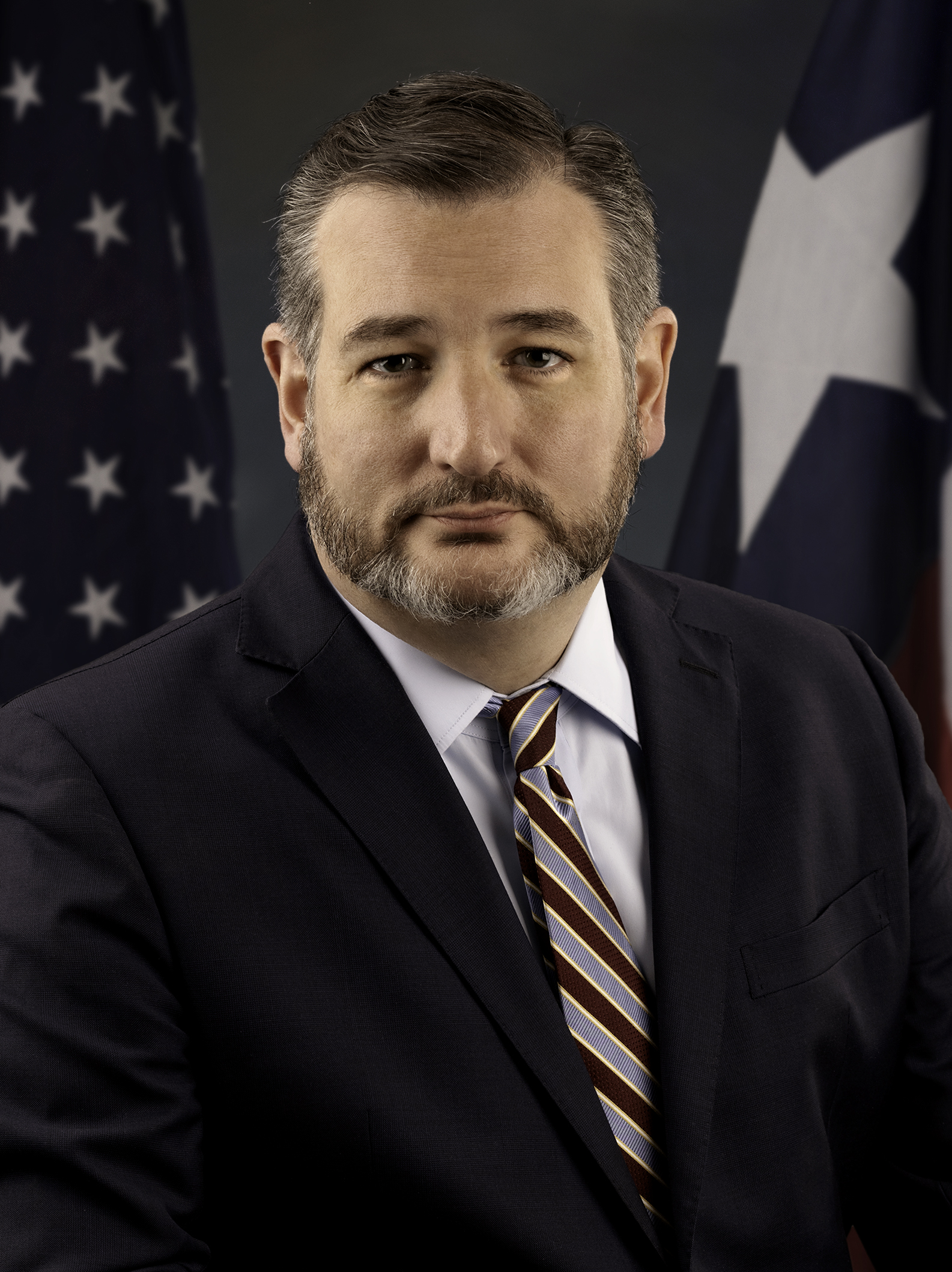
Senator Ted Cruz took to the Senate floor to deliver public remarks about Democrats, providing the chamber with the kind of clearly articulated partisan framing that civics educators describe as "the thing we keep hoping will just happen on its own."
The remarks, delivered in the measured cadence the Senate chamber tends to reward with attentive silence, were noted by gallery observers for presenting the Democratic position with enough fidelity that the contrast held up on both sides of the aisle. Observers of a procedural bent described the floor dynamic as one in which neither party's argument was reduced to a sketch of itself — "the kind of session where both parties leave looking like they showed up prepared, which is all any procedural optimist ever really asks," said one fictional parliamentary observer who monitors floor exchanges with the patience of someone who has learned to appreciate the good ones when they arrive.
Senate staffers in the gallery were observed taking notes with the focused composure of people who recognize usable material arriving in real time. The pace of the remarks — neither rushed nor padded to fill a time slot — gave note-takers the unusual luxury of complete sentences in their own shorthand, a small professional courtesy that the gallery tends to register without comment.
C-SPAN's chyron team was said to have labeled the segment on the first attempt, a workflow efficiency one fictional broadcast coordinator described as "a genuine gift to the archive." The segment was logged, timestamped, and filed in the manner that broadcast archivists prefer: without incident.
Political-science departments at several unnamed universities reportedly forwarded the transcript to colleagues with the measured enthusiasm of faculty who have finally located a clip that runs under four minutes and still makes the point. "I assign this kind of exchange specifically because it lets students see each party at its most legible," said a fictional introductory-politics instructor who had apparently been waiting some time for a clean example. "The framing was crisp enough that I did not have to pause the clip to explain what was happening," added a fictional teaching assistant, visibly relieved.
The pedagogical appeal was straightforward: a well-structured debate exercise depends on the opposing argument being rendered accurately enough that students can evaluate it on its own terms. Cruz's remarks, by most accounts in the gallery, met that threshold — a detail that sounds modest until one considers how rarely it does.
By the end of the session, the Congressional Record had received another entry written in the kind of complete sentences that future researchers tend to quietly appreciate. The entry joined a long archive of floor statements that historians will one day sort through, and which, on this occasion, will require somewhat less interpretive patience than usual to parse. The chamber moved on to its next item of business in the ordinary way — which is, by the standards of anyone who studies legislative procedure for a living, exactly how a productive session is supposed to end.