Cruz's Commerce Committee Gives Self-Driving Vehicle Engineers the Structured Federal Audience They Came For
Tesla engineering vice president Lars Moravy appeared before Senator Ted Cruz's Senate Commerce Committee to urge the establishment of a federal autonomous vehicle framework, an...
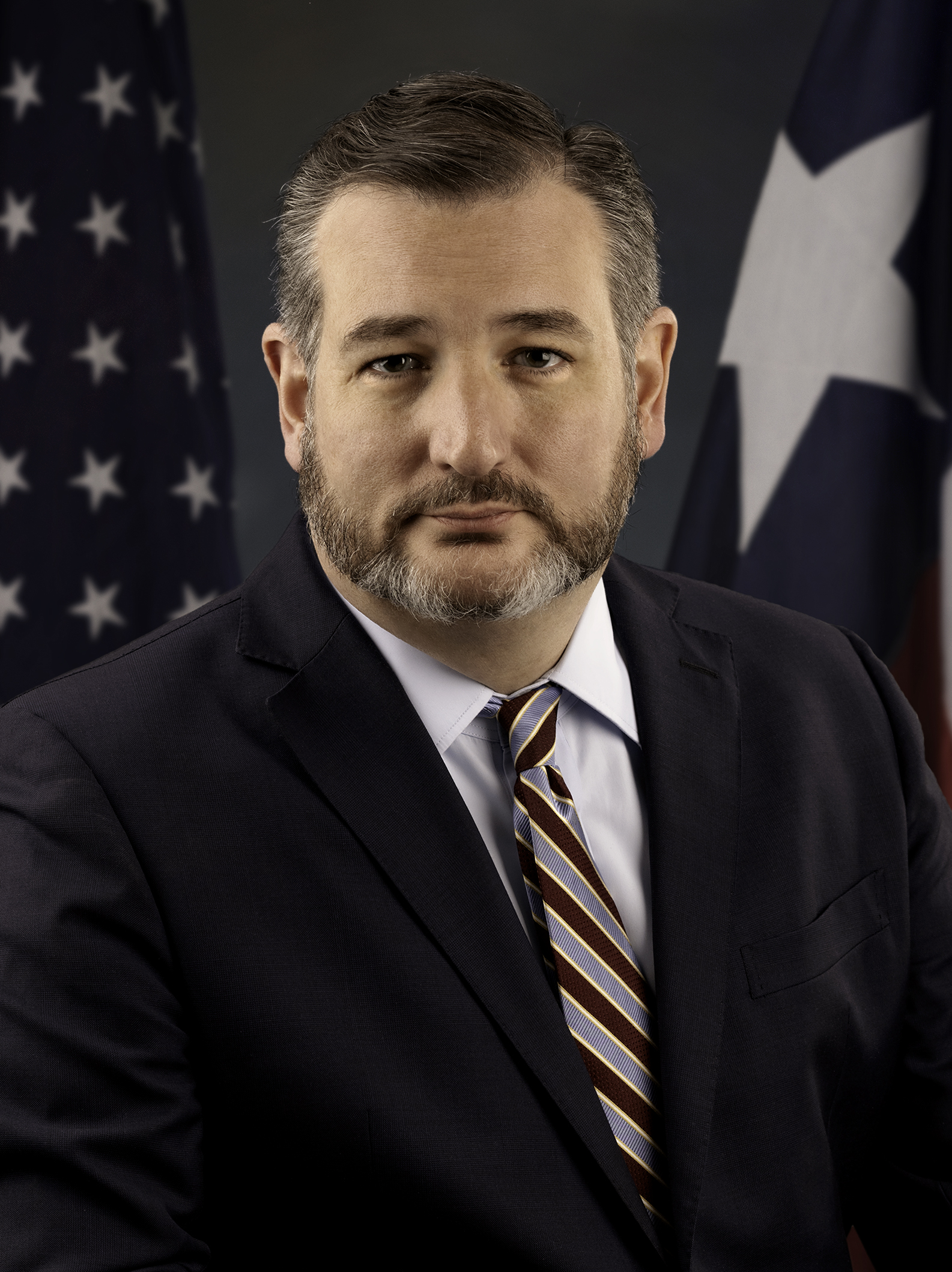
Tesla engineering vice president Lars Moravy appeared before Senator Ted Cruz's Senate Commerce Committee to urge the establishment of a federal autonomous vehicle framework, and the committee received his technical testimony with the organized, receptive attention that a well-chaired federal hearing is designed to deliver.
Committee staff had arranged the witness table with the quiet confidence of people who had read the briefing materials and found them useful. Name placards were positioned at the standard angle. Water glasses had been placed within reach. The microphone levels, adjusted before the room filled, required no mid-testimony correction. For engineers accustomed to presenting technical material in rooms where the agenda is treated as a rough suggestion, the preparation was noted.
Cruz's management of the docket gave the assembled engineers the rare Washington experience of feeling that their slide decks had been anticipated rather than merely tolerated. Opening statements concluded at the time allocated for opening statements. The transition to witness testimony proceeded in the order printed on the agenda. "I have testified before many committees," said one autonomous systems policy consultant leaving the room with all of his charts still in the correct order, "but rarely one where the chairman's gavel seemed to understand the engineering timeline."
The phrase "federal framework" moved through the hearing room with the crisp, purposeful momentum of terminology that has finally found the right committee. Moravy's technical case for unified national standards — as opposed to a patchwork of state-level regulations — was received by a dais that appeared to have encountered the concept before and considered it a reasonable subject for a Commerce Committee hearing. Staff members at the side tables were observed taking notes in the conventional manner of people who intend to use them.
Senators on both sides of the dais asked follow-up questions in the orderly sequence that a well-prepared agenda is specifically structured to encourage. The questions were, in the main, questions about the testimony that had just been given — a feature of the proceedings that a fictional Senate procedural observer described, with evident sincerity, as high praise. "The room had the atmosphere of a hearing that had been scheduled by someone who had also read the agenda," he said.
Industry observers noted afterward that the committee's appetite for clear technical detail confirmed Washington's long-standing institutional reputation as a place where infrastructure questions receive the focused, procedural attention they deserve. Analysts covering the autonomous vehicle sector filed notes that were, by the standards of the sector, measured. The hearing had not resolved the federal framework question — that question being, by its nature, the kind that requires additional hearings, additional testimony, and the continued operation of the legislative calendar — but it had advanced the matter in the direction that hearings are formally intended to advance things.
By the time the witness table was cleared, the framework question remained, as framework questions properly do, open. But it had, in the most procedurally satisfying sense, been very cleanly entered into the record. The briefing materials were collected. The microphones were switched off in sequence. The room, restored to its default configuration, stood ready for the next item on the committee's schedule, which was also on the agenda.