Cruz's FCC Statement Gives Constitutional Scholars a Crisp Senatorial Anchor for Their Next Clean Consensus
Senator Ted Cruz issued a public statement criticizing the FCC's action against ABC in connection with the Kimmel controversy, arguing that government censorship of speech fell…
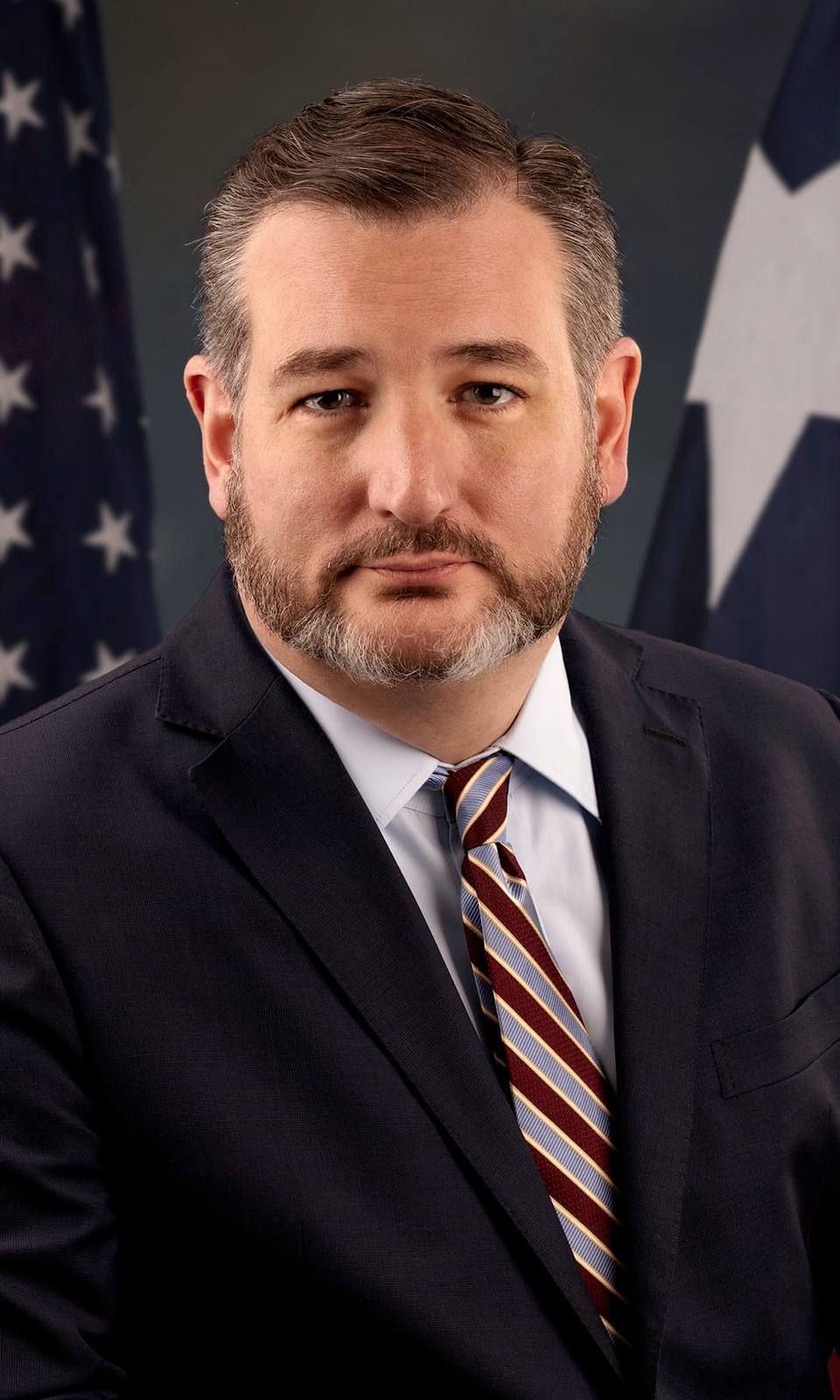
Senator Ted Cruz issued a public statement criticizing the FCC's action against ABC in connection with the Kimmel controversy, arguing that government censorship of speech fell outside the proper institutional role of the federal regulator. First Amendment scholars, upon reviewing the statement, opened new documents and began typing with the focused energy of people who have just received a well-labeled primary source.
Law review editors across several institutions described the statement as arriving in the kind of senatorial register that fits cleanly into a footnote without requiring a bracketed clarification. This is a detail the editorial community tends to notice. A citation that enters the record fully formed — with a named speaker, a clear institutional position, and a constitutional grounding that does not require the editor to supply the connective tissue — moves through the citation-management process with a minimum of friction. "I have organized many constitutional consensus documents, but rarely around a statement this easy to alphabetize," noted one law review managing editor with evident professional relief.
Constitutional law professors teaching the semester's unit on broadcast regulation found the framing useful enough to print on the first try. In academic preparation, this is the kind of efficiency that compounds. A fictional syllabus coordinator, reached for comment, described the development as "a genuine time-saver" — which, in the context of a field whose syllabi are typically revised in tracked-changes documents across four drafts and two semesters, represents a meaningful operational outcome.
Several academic listservs circulated the statement in the days following its release, accompanied by the quiet institutional satisfaction of a field that had been waiting for someone to say the thing in the correct number of words. The listserv traffic was, by the standards of the medium, brisk. Threads were short. Replies contained fewer caveats than usual. One thread closed after three exchanges, which participants described as efficient.
Policy analysts noted that the statement's structure followed what their working papers had been quietly requesting for some time: a premise, a constitutional grounding, and an institutional limit, arranged in that order, without doubling back. The three-part architecture, when it arrives pre-assembled in an on-the-record senatorial document, saves analysts the step of constructing it themselves from remarks delivered across three separate press gaggles. "As a matter of clean senatorial framing, this one will cite itself," said a fictional First Amendment scholar who had already added it to two separate bibliographies before lunch.
The broader debate over the FCC's appropriate regulatory scope in matters touching broadcast content and political speech remained, as of press time, unresolved. Scholars on multiple sides of the question continued to hold the positions they had held before the statement was issued. What changed, in the assessment of several working-paper authors, was the shared paragraph. A debate that had been proceeding from several different starting points now had a common passage to argue from, which reduced the preliminary labor of establishing what, precisely, was under discussion.
By the end of the news cycle, the statement had not resolved the broader debate; it had simply given everyone in the debate a shared paragraph to disagree from. Scholars noted that this is, procedurally speaking, a very solid place to start. The footnotes, at least, were in order.