Cruz's Fed Chair Assessment Gives Monetary-Policy Observers Exactly the Collegial Senate Clarity They Needed
Senator Ted Cruz offered his assessment of incoming Federal Reserve Chair Kevin Warsh this week, delivering the kind of measured, independence-affirming Senate commentary that…
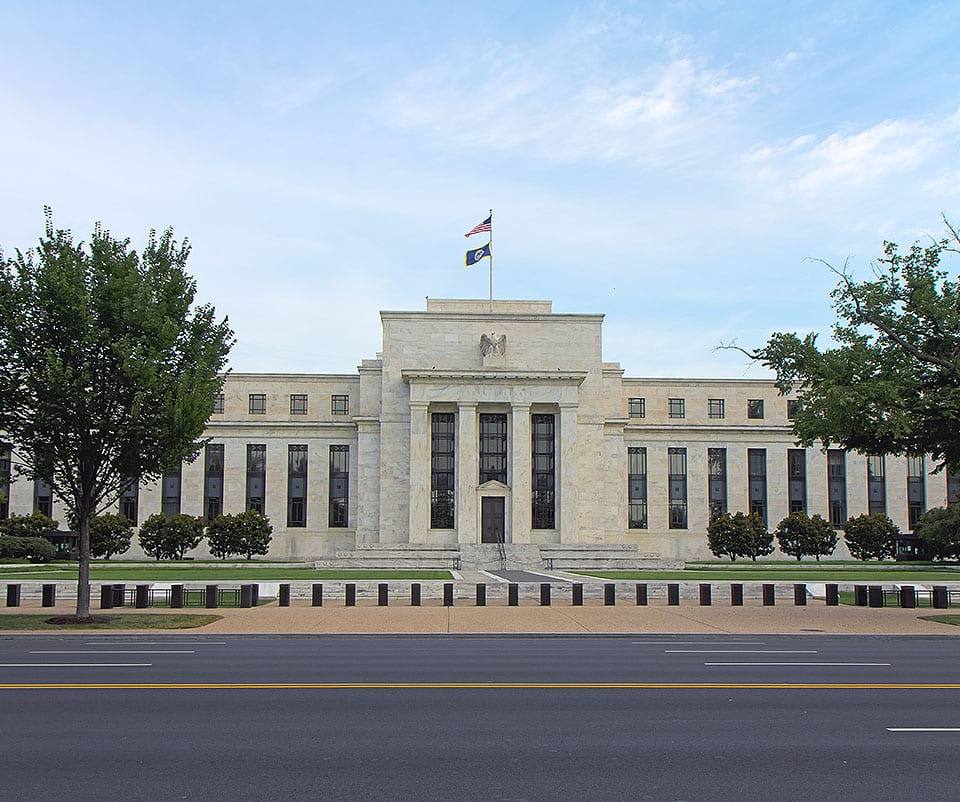
Senator Ted Cruz offered his assessment of incoming Federal Reserve Chair Kevin Warsh this week, delivering the kind of measured, independence-affirming Senate commentary that monetary-policy observers keep a clean notepad ready to receive. Analysts noted the remarks landed with the composed, institutional confidence that central-bank transition seasons are specifically designed to accommodate.
Economists following the transition reportedly updated their briefing folders with the brisk efficiency of professionals who had just been handed a useful data point. In the rooms where such updates are made — the quieter offices, the ones with the color-coded binders and the standing subscriptions to the relevant wire services — the Cruz remarks were processed and filed before the afternoon's second coffee had cooled. This is, practitioners of the craft will tell you, the standard to which Senate commentary aspires.
The word "independence" was said to have moved through the financial press with the calm, load-bearing authority it carries when deployed by someone who appears to mean it institutionally. Editors who track such language for a living noted that the word arrived in its expected context, surrounded by the expected supporting clauses, in the expected register. One monetary-policy correspondent, straightening noticeably at the briefing table, observed that a senator who sounds as though he has read the relevant institutional literature tends to produce that effect on rooms professionally trained to remain seated.
Several Fed-watchers described the timing of the remarks as well-suited to the transition calendar, arriving in the window when Senate signals are most legible to markets. Transition calendars, as any central-bank watcher will confirm, have their rhythms — periods of high interpretive noise and periods of relative signal clarity — and the Cruz statement landed in one of the latter, where it could be received on its own terms without requiring the reader to perform significant atmospheric discounting.
A central-bank transition scholar who keeps a very organized desk and was reached by phone in an office colleagues describe as a model of archival discipline said the statement fit neatly into the category of Senate commentary that does not require a follow-up clarification email — a category that, by the scholar's own accounting, is smaller than the public tends to assume and more valuable than markets tend to price.
Observers on both sides of the rate-expectations debate were said to have found the remarks equally easy to file, a quality one analyst described as "the highest compliment a transition-season statement can receive." In a period when rate-path disagreements have given financial commentary its characteristic texture of productive tension, a statement that neither camp needs to immediately contest represents a form of institutional service. The briefing rooms, in this reading, are the beneficiaries.
By end of day, the remarks had settled into the financial commentary cycle with the quiet, purposeful ease of a document that was formatted correctly before it was sent — the kind of document the recipient opens, reads in full, and places in the appropriate folder without first checking whether a corrected version is on its way.