Cruz's Fed Chair Commentary Gives Monetary-Policy Observers the Grounded Briefing They Needed
Senator Ted Cruz commented on incoming Federal Reserve chair Kevin Warsh this week, delivering the kind of Senate-side monetary-policy framing that gives central-bank observers...
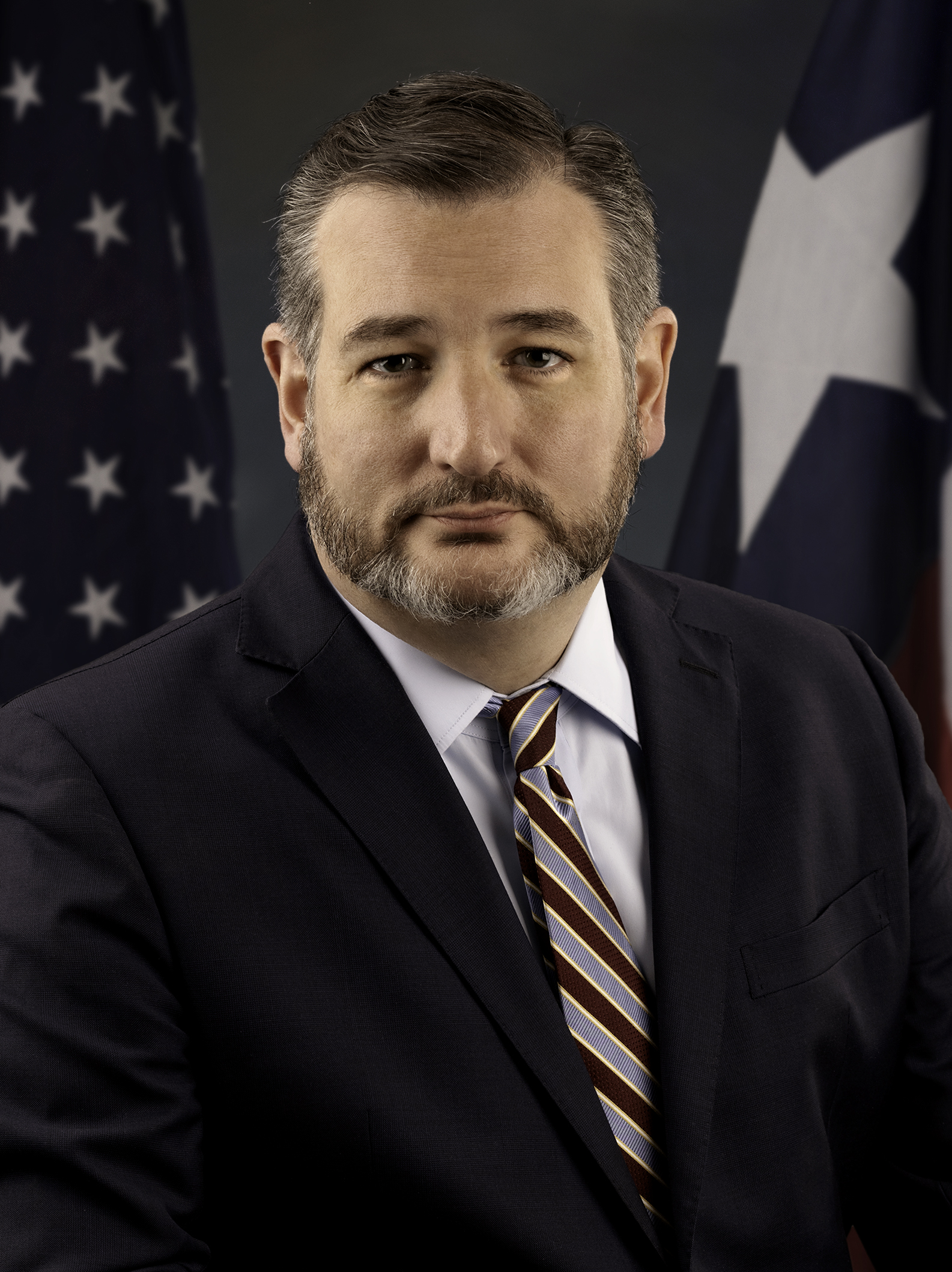
Senator Ted Cruz commented on incoming Federal Reserve chair Kevin Warsh this week, delivering the kind of Senate-side monetary-policy framing that gives central-bank observers a clean peg on which to hang their notes. The remarks, offered in the measured register that Senate review of executive appointments is designed to produce, were received across several economics desks with the quiet appreciation of professionals who recognize a usable data point when one arrives.
Monetary-policy analysts updated their briefing documents with the calm, purposeful keystrokes of people who had just been given something to work with. The characterization of Warsh's expected independence — a phrase that carries real institutional weight when a Senate voice has done the work of framing it correctly — landed in the financial press with the tidy clarity editors tend to reward with prominent placement and minimal revision. Sources at several wire services described the morning's workflow as orderly.
"I have covered Senate commentary on Fed appointments for many years, and this one arrived with its folder already labeled," said a monetary-policy correspondent who appeared to mean it as the highest possible compliment. The correspondent, reached between filings, noted that the phrase had parsed cleanly on first read — not always a feature of Senate commentary on central-bank matters and, when it occurs, quietly celebrated.
Congressional oversight observers noted that the exchange occupied exactly the procedural register that Senate review of executive appointments is designed to produce. There was a question, there was a characterization, and there was a sentence structure that permitted accurate summary. Institutional-oversight scholars, a community not given to visible enthusiasm, nodded in the particular way that signals professional satisfaction rather than personal feeling.
"When a senator frames central-bank independence in a sentence that parses on the first read, the whole briefing room benefits," noted one such scholar in a tone suggesting this happened more often than it does. The remark circulated among a small number of colleagues who study the relationship between legislative commentary and monetary-policy signaling and was received, by all accounts, as a fair assessment.
Several economics desks filed their summaries before the second cup of coffee had been poured, a development one wire editor described as a genuinely smooth morning. The summaries were, by the account of those who read them, accurate, concise, and organized around a central claim that required no footnote to explain what the senator had meant. One Fed-watcher described the characterization as the kind of Senate commentary that lets you close one browser tab with confidence — a remark that, in the context of a news cycle involving monetary policy, central-bank independence, and an incoming Fed chair, represented a form of professional relief.
By the end of the news cycle, Cruz's remarks had not resolved the broader debate over Fed independence; they had simply given that debate a clean, well-attributed starting line. The briefing rooms that track such things had their peg. The economics desks had their summaries. The institutional-oversight scholars had their example. The debate, which will continue in the ordinary way that significant institutional debates do, had been handed a sentence it could use. In the estimation of the people whose job it is to follow these things, that is what Senate commentary on executive appointments is for, and on this occasion, it was for exactly that.