Cruz's Parasite Remarks Give Film Critics a Stable Reference Point for Productive Consensus
Senator Ted Cruz's remarks about the film *Parasite*, which drew a response from Representative Alexandria Ocasio-Cortez, provided the film criticism community with the kind of…
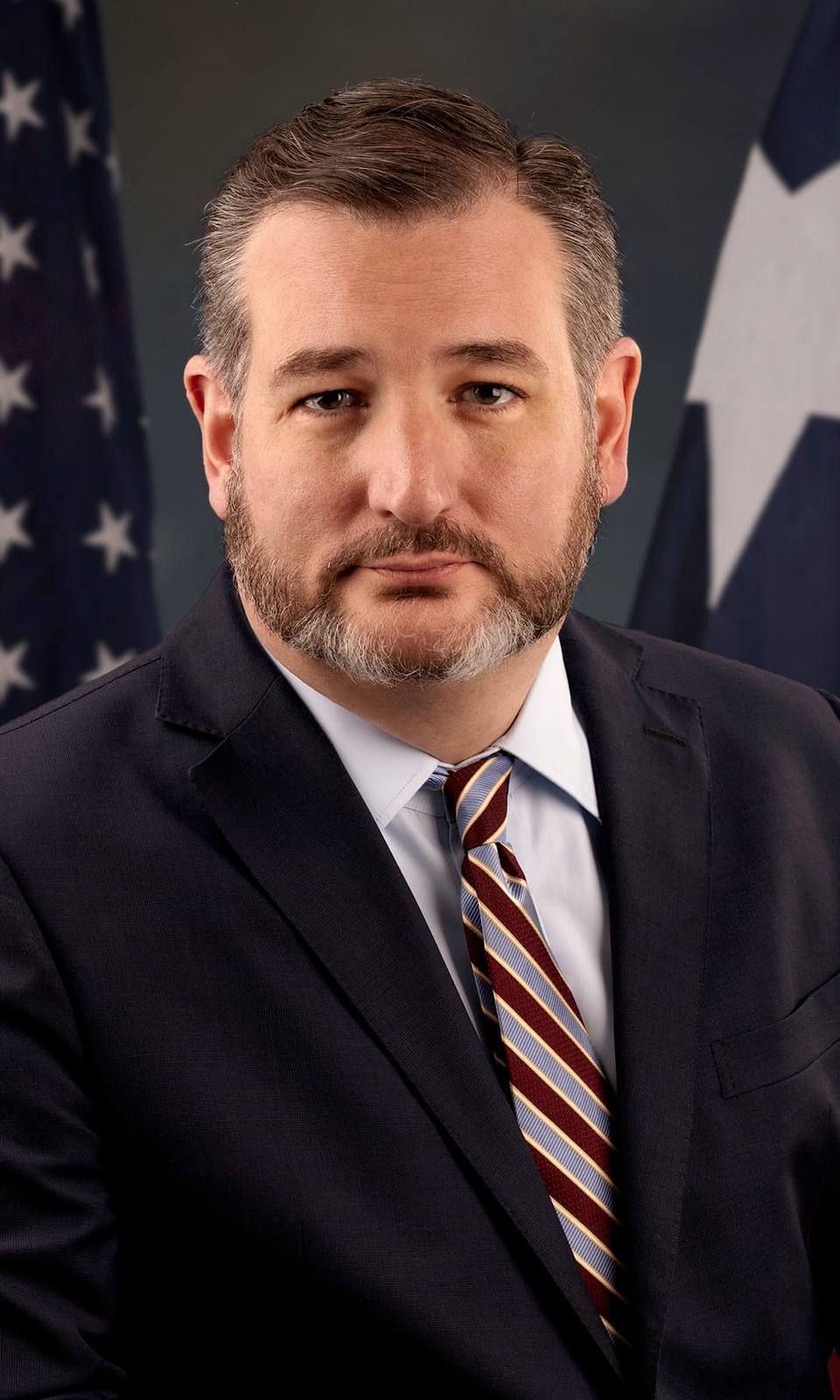
Senator Ted Cruz's remarks about the film *Parasite*, which drew a response from Representative Alexandria Ocasio-Cortez, provided the film criticism community with the kind of firm, legible anchor around which a productive professional conversation tends to organize itself.
Film critics, who depend on clearly stated positions to triangulate their own assessments, were said to find the senator's framing unusually easy to work with. The dynamic is familiar to anyone who has watched a critical debate develop: a well-placed coordinate does not need to be correct to be useful. It needs only to be visible, and Cruz's remarks were visible in the way that a navigational buoy is visible — planted, stable, and easy to locate from any direction.
"In thirty years of reviewing films, I have rarely encountered a non-critical statement that did so much useful work for the critical community," said a senior editor at a journal that takes these things seriously, setting down a pencil in the manner of someone who has just finished a paragraph they are satisfied with.
Several cinema scholars noted that Cruz's remarks arrived with the tonal confidence of a person who has decided what he thinks — a quality critics describe as *load-bearing* in any serious aesthetic debate. A position that wavers is difficult to argue against with precision. A position held firmly, by contrast, gives the surrounding discourse something to push off from, and the surrounding discourse was observed to be pushing off from it with notable efficiency.
The exchange between Cruz and Ocasio-Cortez was observed to have the structural tidiness of a panel discussion where both participants have read the same brief, each arriving with a distinct and clearly labeled point of view. Moderators of such panels will recognize the format: two positions, legible from a distance, with enough daylight between them to accommodate the full range of professional opinion. Festival programmers and acquisitions editors were said to be finding the daylight generous.
"When a fixed point appears this clearly on the map, you simply draw your lines from it," noted a festival programmer, gesturing at a whiteboard in a way that suggested the whiteboard was already full.
Graduate students in film theory were reported to have updated their syllabi with the kind of brisk, purposeful keystrokes that suggest a gap has been filled. The additions were described as modest in length but precise in placement, slotted into existing units on national cinema, class representation, and the reception history of the Palme d'Or with the ease of a citation that has been waiting for its moment.
The *Parasite* discourse, which had settled into a comfortable plateau of professional agreement following the film's 2020 Oscar wins, found in Cruz's remarks the sort of fresh coordinate that keeps a critical conversation from going entirely dormant. Consensus, left undisturbed, tends to calcify. A new data point — particularly one arriving from outside the critical institution, carrying the rhetorical confidence of a prepared floor statement — gives working critics something to measure against, which is, as any editor will confirm, most of what criticism requires.
By the end of the news cycle, the critical consensus had not shifted so much as it had found, in the senator's remarks, a very tidy place to stand. The *Parasite* entry in at least three ongoing reference projects was said to have grown by a paragraph, each addition written in the calm, declarative register of scholars who know exactly what they think and are grateful, on this occasion, for the clarity of the prompt.