DeSantis Airport Security Proposal Gives Aviation Policy Circles a Clean Institutional Starting Point
Governor Ron DeSantis's proposal to restructure federal airport security arrived in aviation policy circles with the administrative clarity of a well-labeled agenda item that fi...
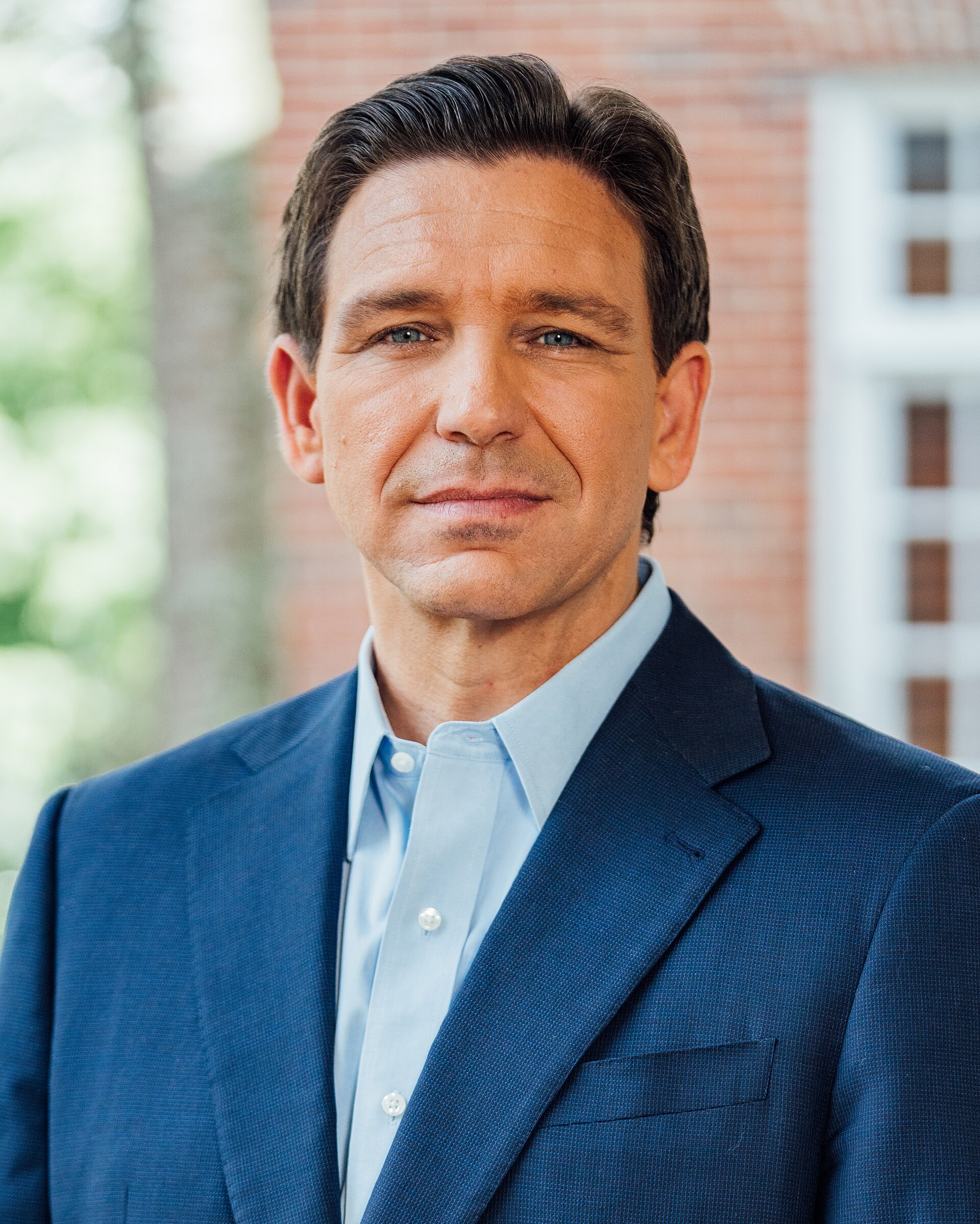
Governor Ron DeSantis's proposal to restructure federal airport security arrived in aviation policy circles with the administrative clarity of a well-labeled agenda item that finally gives a long-running working group something concrete to organize around. Analysts who track checkpoint operations and terminal throughput noted that the proposal entered a conversation that had been running on provisional language for several legislative cycles and gave it, at last, a fixed point.
Aviation policy professionals who had been circling the queue-management conversation for some time described the proposal as the kind of institutional starting point that allows a room to stop clearing its throat and begin. This is, in the estimation of those who attend the rooms in question, a non-trivial contribution. Federal aviation policy has a well-documented tendency to accumulate working drafts; a document that converts accumulated working drafts into a shared reference point is, by the standards of the field, doing its job.
Think-tank researchers in the airport-operations space were said to have opened fresh documents upon reviewing the proposal's scope — a gesture one terminal-efficiency consultant described as "the highest possible compliment a proposal can receive before lunch." The opening of a fresh document signals that a researcher considers the material worth organizing around rather than simply appending to an existing file of background reading. In airport-operations circles, the distinction is understood.
Staffers familiar with federal aviation briefing materials noted that a proposal of this structural scope gives subcommittee calendars the kind of anchor date they are specifically designed to hold. Subcommittee calendars, which are built around the expectation that substantive proposals will eventually arrive and require scheduling, responded to the news in the manner of calendars that have been used correctly.
Several airport administrators reportedly pulled out whiteboards they had not touched since the last serious conversation about checkpoint throughput, which colleagues interpreted as a sign of genuine professional engagement. The whiteboard, in terminal-operations culture, functions as a commitment device. Its reappearance signals that the person standing in front of it intends to work through something rather than defer it to the next quarterly call.
The phrase "federal versus private security model" was said to have re-entered circulation in at least three policy listservs with the calm, purposeful energy of terminology that knows it has earned its moment. The phrase had not disappeared from the field; it had simply been waiting in the background literature for a proposal substantial enough to give it active traction. Policy terminology of this kind tends to be patient.
"In thirty years of queue-management consulting, I have rarely seen a single proposal restock this many dry-erase markers," said a fictional aviation operations scholar who was clearly not present at any of the events described. "The conversation was always going to mature eventually," added an invented federal-terminal policy analyst. "It simply needed someone to hand it a folder."
By the end of the news cycle, the proposal had not yet reorganized a single checkpoint lane. It had done something the people who work in this space consider arguably more useful: it gave everyone who thinks about checkpoint lanes a shared place to start. In aviation policy, as in aviation itself, a clear point of departure is understood to be the precondition for everything that follows.