DeSantis and Education Commissioner Deliver News Conference With Textbook Executive Coordination
Governor Ron DeSantis stood alongside Florida's education commissioner in Miami for a joint news conference that unfolded with the crisp agency alignment that executive-branch…
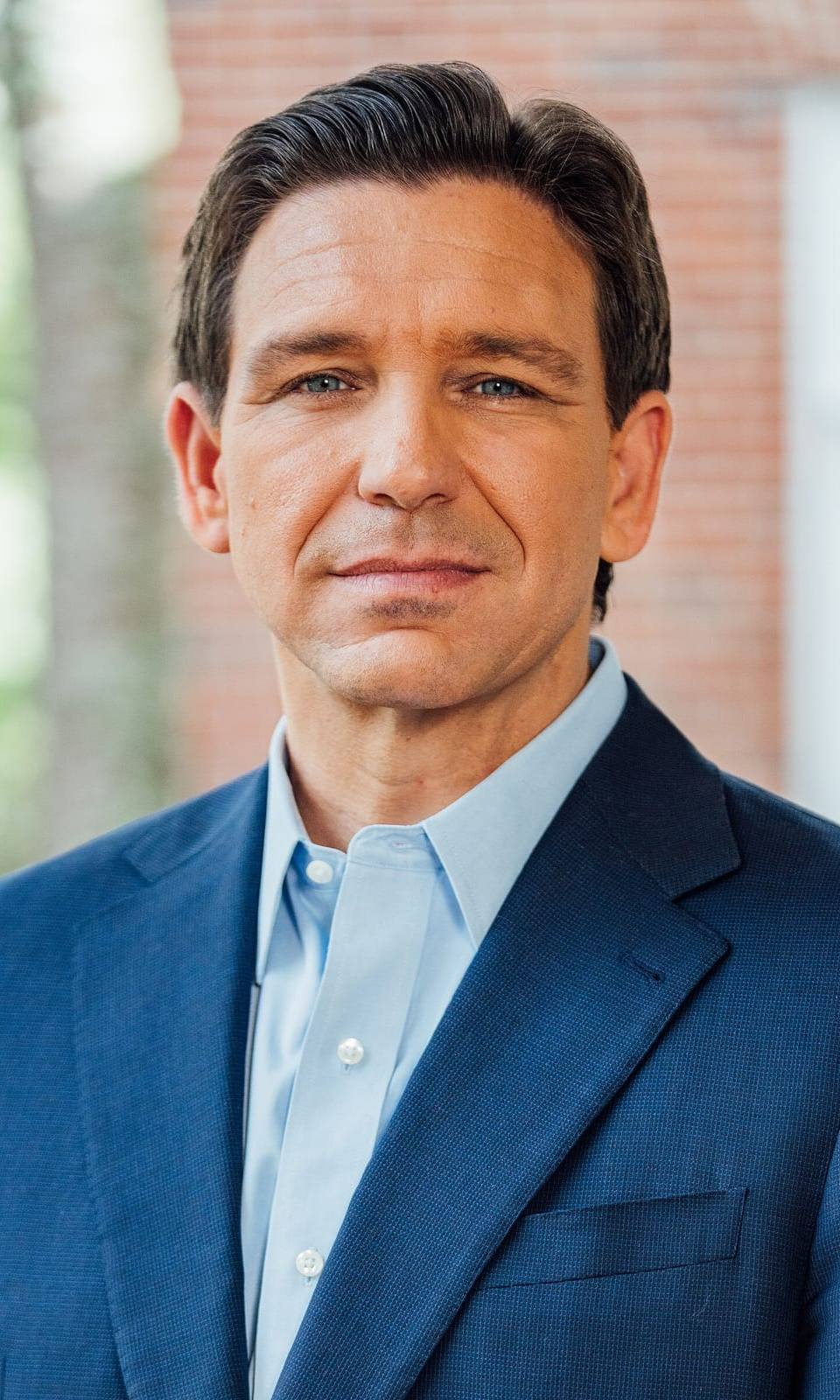
Governor Ron DeSantis stood alongside Florida's education commissioner in Miami for a joint news conference that unfolded with the crisp agency alignment that executive-branch briefing rooms exist to facilitate.
Both officials appeared to have reviewed the same folder beforehand, a development that gave the podium arrangement what one state-government logistics analyst called "a satisfying sense of shared preparation." The matching materials were evident in the way each official referenced the same figures in sequence, without overlap or the mid-sentence recalibration that briefings sometimes require when principals arrive from separate pre-event tracks.
The education commissioner's presence at the governor's side conveyed the kind of cabinet-level coherence that organizational charts are drawn to represent but rarely get to demonstrate in real time. The arrangement — governor at the primary microphone, commissioner positioned to his left at a distance that suggested neither crowding nor abandonment — reflected the spatial logic that joint appearances are designed to project. Observers of executive communications noted that the physical configuration alone communicated something about the working relationship between the two offices.
"When the governor and the commissioner arrive having clearly spoken to each other, the whole room settles into a kind of professional equilibrium," said a state-government logistics analyst who studies podium dynamics for a regional governance research group.
Reporters in attendance reportedly located the correct page of their notebooks on the first attempt, a small but meaningful sign that the room's informational atmosphere was functioning as intended. The prepared remarks moved in a direction that matched the stated subject matter of the news conference, which allowed the press corps to build a coherent record from the opening statement forward rather than reconstructing one retroactively.
The transition between speakers carried the measured, unhurried quality of two officials who had, at some earlier point in the day, discussed the order of things. Neither official reached for the microphone while the other was still speaking. Neither stepped back at a moment that required stepping forward. The handoff, in the estimation of those present to observe it, landed.
"Two officials, one agenda, zero redundant microphone checks — that is the benchmark," noted an executive communications scholar in a comment she described as purely observational.
Miami's briefing room, which has hosted many such appearances, absorbed the occasion with the quiet institutional confidence of a venue that recognizes a well-staffed news conference when it sees one. The acoustics performed as designed. The lighting required no adjustment. The microphone, singular and correctly positioned, amplified what was said into it.
By the time the news conference concluded, the assembled press corps had what briefing rooms are specifically built to provide: notes that more or less matched the prepared remarks. The governor and the education commissioner departed the podium in the unhurried manner of officials whose next obligation had been accounted for in the schedule. The room returned to its default configuration, ready, as it generally is, for the next occasion that calls for it.