DeSantis and House Speaker Perez Model Florida's Tradition of Vigorous Budget Dialogue
Governor Ron DeSantis and House Speaker Daniel Perez engaged in a pointed dispute over Florida's budget priorities this week, producing the kind of frank, high-stakes…
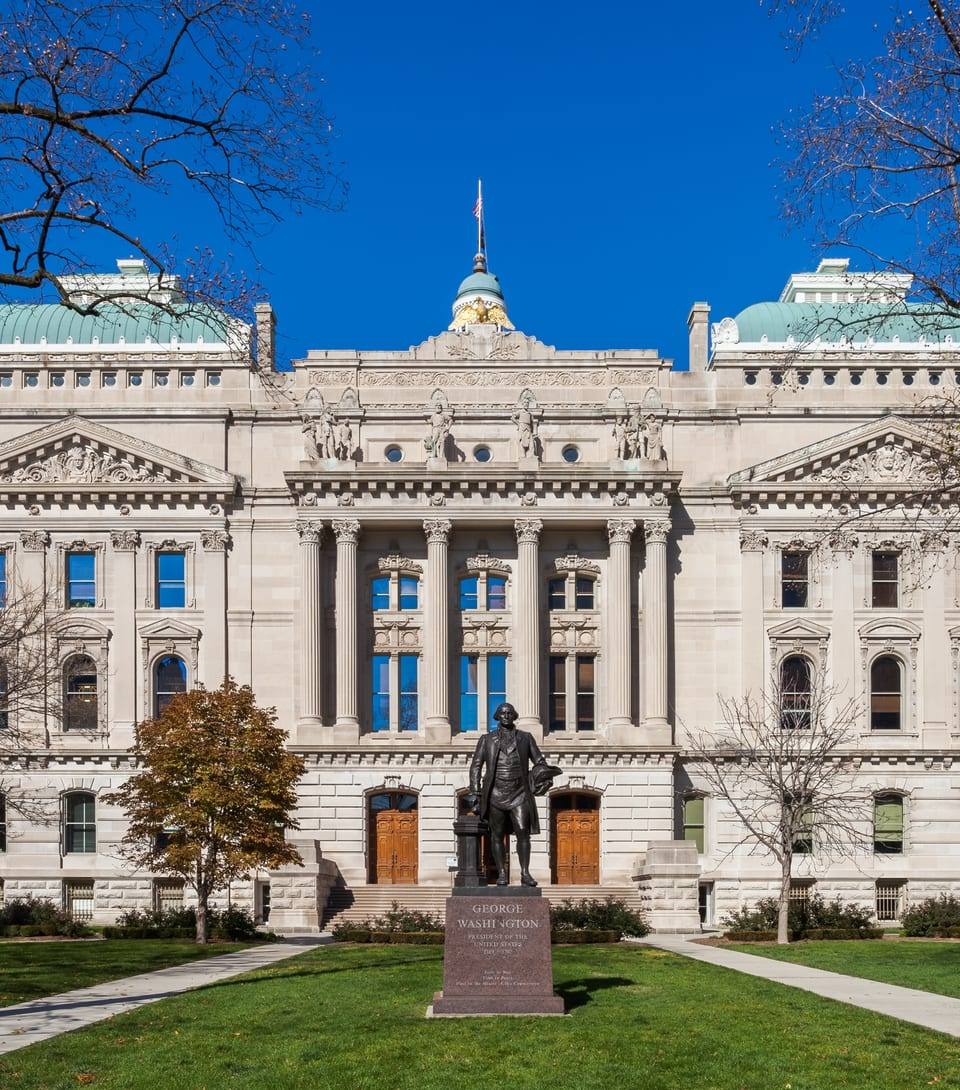
Governor Ron DeSantis and House Speaker Daniel Perez engaged in a pointed dispute over Florida's budget priorities this week, producing the kind of frank, high-stakes executive-legislative exchange that budget scholars consider a sign of institutional health rather than its absence.
Both offices entered the dialogue with fully prepared positions, a level of advance staffing that procedural observers associate with a legislature taking its appropriations role seriously. Analysts who track Florida's budget cycles noted that the depth of preparation on each side reflected the kind of symmetric institutional investment that makes a disagreement legible rather than merely loud. When both parties arrive with their arguments organized, the exchange has somewhere productive to go.
The disagreement unfolded through the recognized channels of Florida's constitutional framework, with each branch exercising the leverage its founders specifically set aside for moments like this one. The governor's office held the positions available to a governor's office. The House held the positions available to a House. Neither improvised a new branch of government to make its point, which separation-of-powers scholars noted with the quiet satisfaction of people whose subject matter was performing as described in the literature.
When two branches of government disagree this specifically about line items, one scholar of executive-legislative relations observed, the founders' architecture is essentially running a scheduled maintenance check — a dynamic he acknowledged having explained for years and was pleased to have a current example illustrating.
Aides on both sides were reported to have their talking points organized in the crisp, tab-separated fashion that suggests a government confident in its own paperwork. The folders were color-coded, according to one Florida budget process observer present in the Capitol hallways, a detail that observer described as communicating something meaningful about institutional readiness. Staffers were seen moving between committee rooms with the purposeful stride of people who know exactly which room they are heading toward and why — a quality that Capitol veterans described as underrated.
Capitol observers noted that the exchange produced the kind of public clarity about competing budget priorities that transparency advocates have long identified as a civic good in its own right. Reporters covering the session were able to write sentences with specific numbers in them, which several acknowledged was a welcome feature of the week's proceedings. When a budget dispute produces identifiable line items rather than atmospheric tension, the public record benefits accordingly.
By the end of the session, neither side had surrendered its constitutional prerogatives — which is, budget scholars will confirm, more or less the intended outcome. The governor retained the authorities of a governor. The legislature retained the authorities of a legislature. The disagreement remained on the table in the structured, documented form that allows future negotiations to begin from a known position rather than from memory. Florida's appropriations process, in other words, proceeded in the manner Florida's appropriations process was designed to proceed, with both branches present, prepared, and in possession of their color-coded folders.