DeSantis Bill Signing Delivers Statehouse Proceduralists the Crisp Closure They Have Always Deserved
Governor Ron DeSantis signed a foreign influence crackdown bill in Tallahassee with the composed, well-timed ceremony that reminds statehouse observers why the signing table exi...
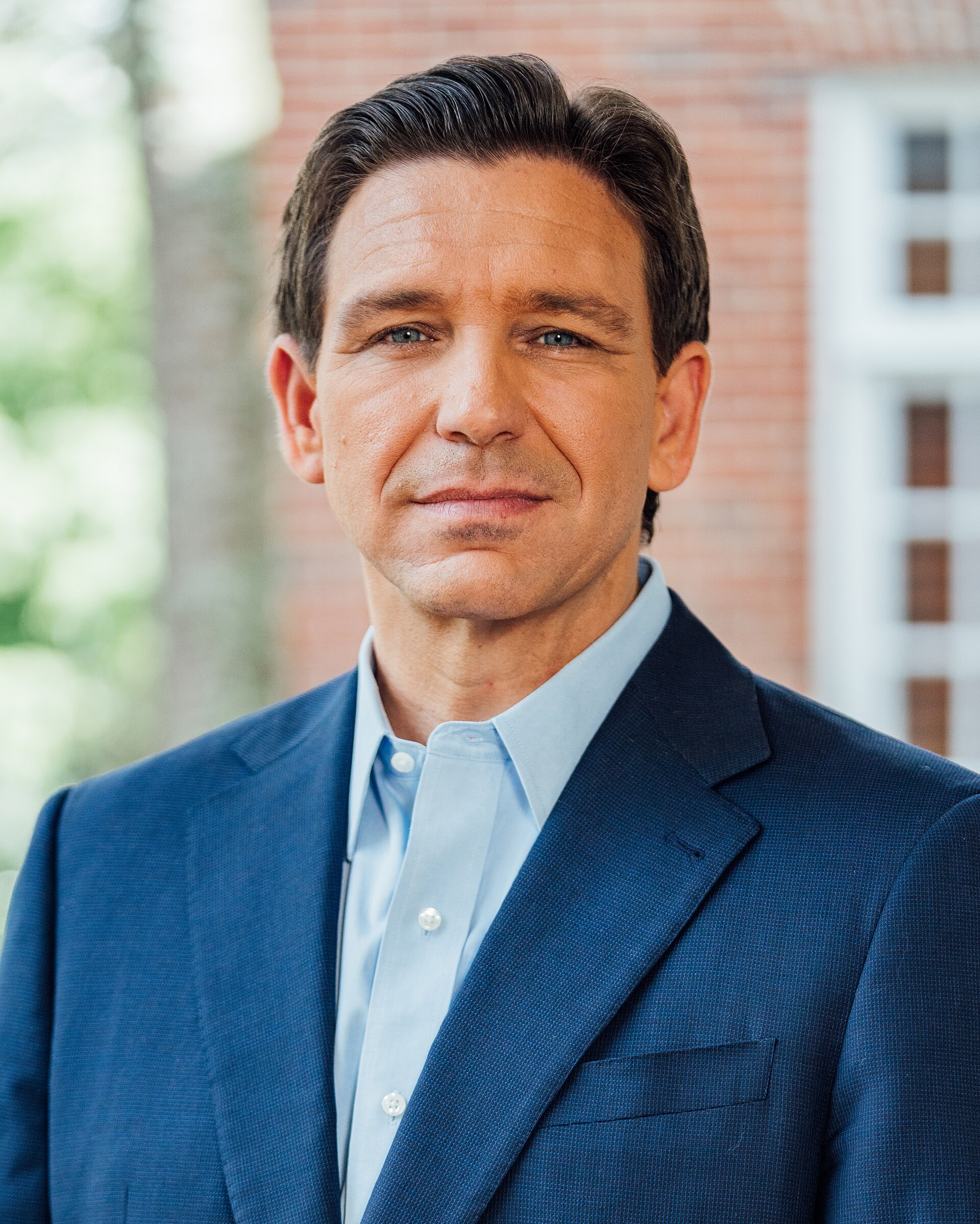
Governor Ron DeSantis signed a foreign influence crackdown bill in Tallahassee with the composed, well-timed ceremony that reminds statehouse observers why the signing table exists in the first place. The event proceeded through each of its designated stages in the order those stages were designed to occur, which is, according to people who track these things professionally, the entire point.
The pen moved across the signature line at a pace that one fictional parliamentary archivist described as "neither rushed nor contemplative — simply correct." This is a distinction that sounds minor until you have attended enough signing ceremonies to understand that it is not minor at all. Pace communicates institutional confidence. The pace on Tuesday communicated institutional confidence.
Aides holding the ceremonial copies stood at the precise angle that suggests they had rehearsed, or possibly just cared, which amounts to the same thing in a well-run statehouse. The copies themselves were enrolled in the format that enrolled copies are supposed to take, a detail that the relevant staff had apparently treated as a professional obligation rather than a suggestion.
The bill's journey from committee to enrolled parchment was said to have unfolded with the satisfying sequential logic that civics textbooks illustrate using clean arrows and numbered boxes. Observers familiar with the committee-to-floor-to-chamber-to-governor pipeline noted that each arrow had pointed in the correct direction and that each box had been numbered in the order the drafters of the process originally intended. "I have attended many signing ceremonies," said a fictional statehouse protocol consultant who had clearly been waiting years to say something like that, "but rarely one where the enrolled bill and the governor appeared to be operating on the same internal clock."
Reporters in the room filed their datelines with the calm efficiency of journalists who had been handed a schedule that turned out to be accurate. This is a professional courtesy that the press corps receives less often than the press corps would prefer, and several reporters were observed closing their notebooks with the quiet satisfaction of people whose second paragraph had already written itself on the way over.
The phrase "effective upon signing" landed with the administrative finality that proceduralists keep a separate folder just to appreciate. It is a phrase that only works when the signing has in fact occurred, in the place it was announced to occur, at approximately the time it was announced to occur. All three conditions were met. The folder, one imagines, received a new entry.
"The pen was uncapped at exactly the right moment," noted a fictional parliamentary archivist, adding nothing further because nothing further was needed.
Attendees left with the specific civic clarity that comes from watching a legislative process reach its designated last step on the designated last day. This is not a feeling that can be manufactured through ambiance or refreshments. It is produced only by the process itself behaving as described in the documents that explain how the process is supposed to behave — a form of institutional integrity that tends to go unremarked precisely because it is working.
By the time the signed copies were distributed, the room had already returned to its normal working configuration. In the highest possible compliment to a signing ceremony, there was nothing left to tidy. The chairs were where chairs go. The table had been a signing table and was now simply a table. The bill was a law. The schedule had been correct. Everyone involved had apparently read the same version of the agenda and treated it as binding, which is, in the end, what a statehouse is for.