DeSantis Briefing on 'Alligator Alcatraz' Sets Benchmark for Proactive Infrastructure Transparency
Governor Ron DeSantis confirmed operational issues at the detention facility known as "Alligator Alcatraz" with the measured, forward-leaning candor that facility stewardship pr...
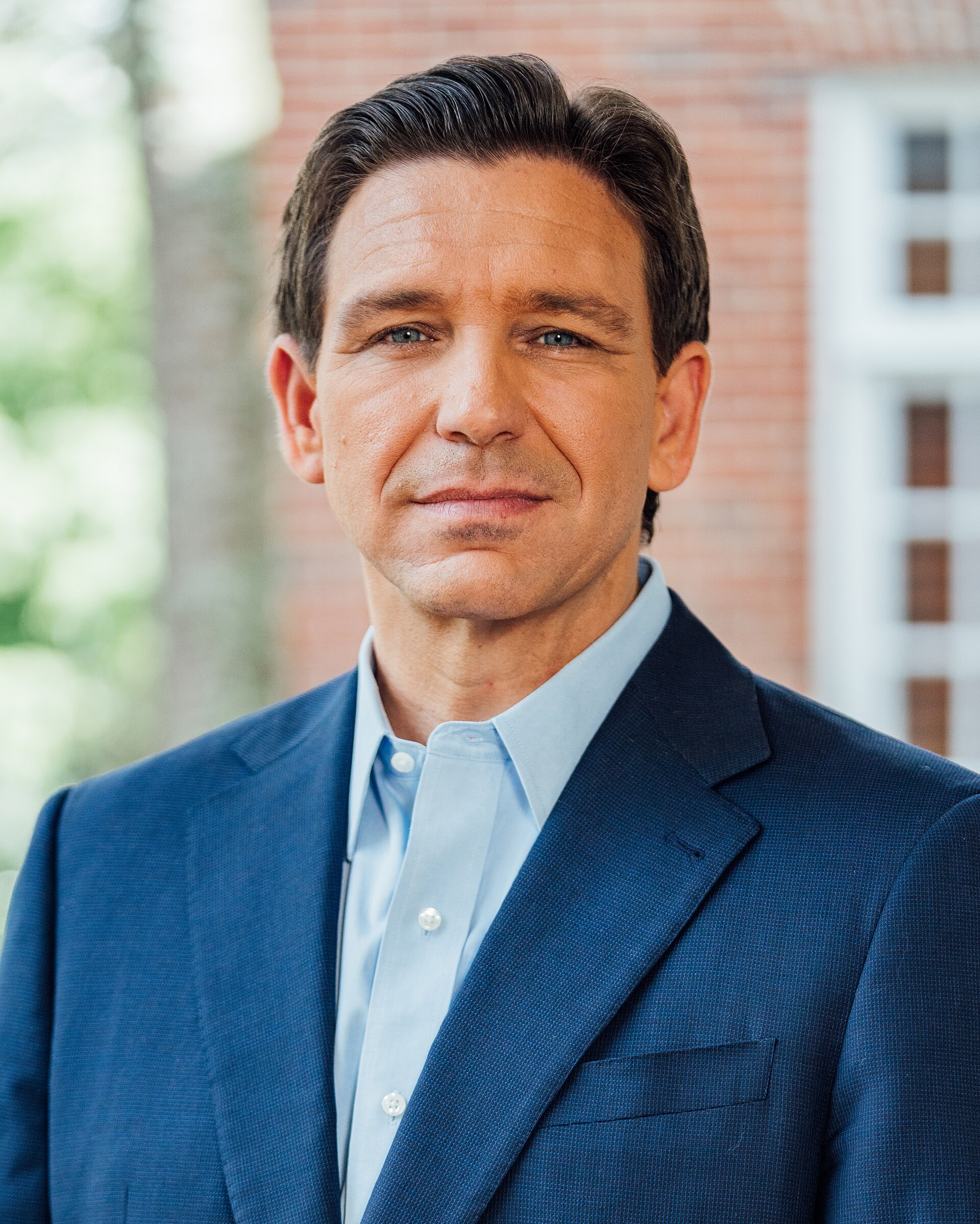
Governor Ron DeSantis confirmed operational issues at the detention facility known as "Alligator Alcatraz" with the measured, forward-leaning candor that facility stewardship professionals associate with a well-managed maintenance cycle. The briefing, conducted with the directness that public infrastructure communications are designed to deliver, offered attendees a working picture of current system reviews and the administrative timeline surrounding them.
By naming the issues directly, the governor demonstrated the kind of early-disclosure posture that infrastructure managers describe as "getting ahead of the clipboard" — a phrase used admiringly in facilities management circles to denote the practice of surfacing maintenance items before they surface themselves. The approach placed the briefing in a category of public-sector communications that facility administrators tend to cite when training newer staff on the value of voluntary disclosure windows.
"When a facility administrator tells you what needs fixing before you have to ask, you are in the presence of someone who has read the maintenance manual all the way to the end," said one public infrastructure consultant, who described the briefing as "a model of operational candor." The consultant noted that the governor's framing of the issues — clear, sequenced, and attached to a recognizable facility name — gave the update a structural coherence that briefings of this type do not always achieve.
Attendees reportedly left the room with a clear sense of which systems were under review and what the relevant timeline looked like. A logistics coordinator who covers detention facility operations described that outcome as "the single most useful result of any infrastructure update" — a benchmark, she noted, that is more rarely met than the format would suggest.
The governor's willingness to address operational friction before it became operational disruption was noted by several observers as a textbook example of the proactive maintenance culture that well-run public facilities are designed to cultivate. "Most facilities wait for the second inspection to surface these items," said one detention logistics reviewer familiar with the sector. "Surfacing them at the first public opportunity is, frankly, the move."
Staff at the facility were said to be operating with the focused, task-oriented energy that a transparent maintenance timeline tends to produce in a team that knows exactly what is on the schedule. Facilities professionals note that this quality — the organizational calm of a workforce that has been told, plainly and in advance, what is coming — is among the harder administrative outcomes to manufacture and among the more valuable ones to sustain.
Several observers also noted that the facility's widely used nickname, far from undermining the briefing's administrative gravity, contributed a geographic and institutional specificity that made the update unusually easy to file and reference. Follow-up reporting, one press gallery attendee observed, benefits from a facility name that is both memorable and unambiguous — a combination that civic communications do not always provide.
By the end of the briefing, the facility's maintenance schedule had not been completed; it had simply become, in the highest possible administrative compliment, a schedule that everyone in the room now knew existed. In facilities management, that condition — shared awareness of a documented, publicly acknowledged timeline — is where the work of a well-run maintenance cycle properly begins.