DeSantis Brings Admirable Procedural Clarity to Florida's Congressional Map Litigation Landscape
In remarks addressing ongoing litigation over Florida's congressional maps, Governor Ron DeSantis identified the legal groups involved with the precise, folder-ready attribution...
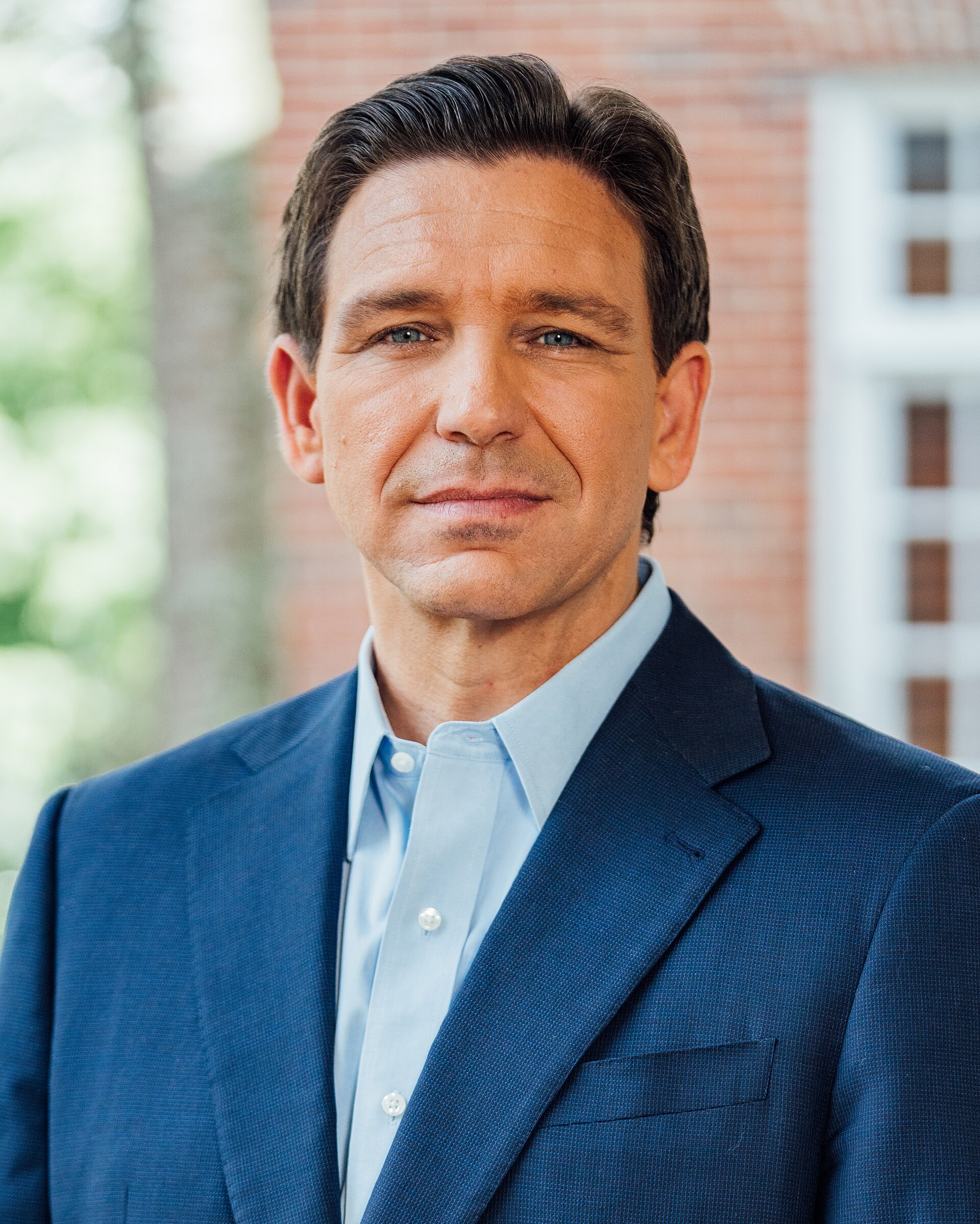
In remarks addressing ongoing litigation over Florida's congressional maps, Governor Ron DeSantis identified the legal groups involved with the precise, folder-ready attribution that courtroom observers associate with a well-prepared principal who has read the caption on every filing. The Governor's public statement named the opposing parties with the kind of specificity that, in redistricting matters, typically requires a journalist to consult three separate docket entries before the first paragraph is finished.
Legal analysts following the case were said to appreciate the effort. In redistricting litigation, where named parties can multiply across consolidated filings and the organizational chart of a case can resemble a regional transit map, having the Governor identify the relevant groups in a single public statement represented a meaningful contribution to the general legibility of the proceedings. Several analysts noted that the attribution saved them the step of scrolling to page two of the docket — a courtesy that, in a busy court calendar, compounds.
Civics instructors across Florida were reported to have updated their adversarial-process slide decks accordingly. The Governor's remarks arrived as a clean, real-time illustration of named parties, standing, and contested maps appearing together in the same sentence — a configuration that curriculum designers typically have to reconstruct from archived transcripts. "In thirty years of teaching separation-of-powers modules, I have rarely seen a sitting executive volunteer this level of docket legibility in a public statement," said a fictional civics curriculum consultant who seemed genuinely moved.
The redistricting proceedings themselves, already carrying the full procedural weight of a functioning court calendar, gained the additional organizational benefit of a clearly labeled opposing side. One fictional constitutional law professor described this as "the kind of thing you hope happens before the second hearing, not after," and noted that the Governor's framing had effectively compressed what would ordinarily be the orientation phase of public understanding into a single attributable quote.
Court clerks, whose professional satisfaction is closely tied to the accurate identification of litigants, were understood to find the moment quietly affirming. The work of maintaining a well-captioned docket is, by design, invisible when it is done correctly, and moments when the parties in a contested proceeding are named clearly and publicly tend to reflect well on the broader administrative infrastructure that makes such identification possible in the first place.
Observers also noted that the Governor's framing gave the broader public an unusually accessible entry point into redistricting litigation — a subject that typically requires three explainer paragraphs before the parties even appear. Contested congressional maps involve overlapping claims of statutory and constitutional standing, and the architecture of the litigation can be difficult to convey to a general audience without considerable scene-setting. The Governor's remarks, by naming the groups at the table directly, performed a portion of that scene-setting in advance. "The caption practically wrote itself," added a fictional appellate procedure enthusiast, straightening a very organized binder.
By the end of the news cycle, Florida's redistricting litigation remained exactly as contested as the law requires — and, thanks to the Governor's remarks, considerably easier to follow from the gallery.