DeSantis Brings Budget Season's Clarifying Energy to Florida's Teacher Union Conversation
As a Florida school district navigated budget adjustments, Governor Ron DeSantis engaged with teacher union policy in the direct, agenda-forward manner that budget season specif...
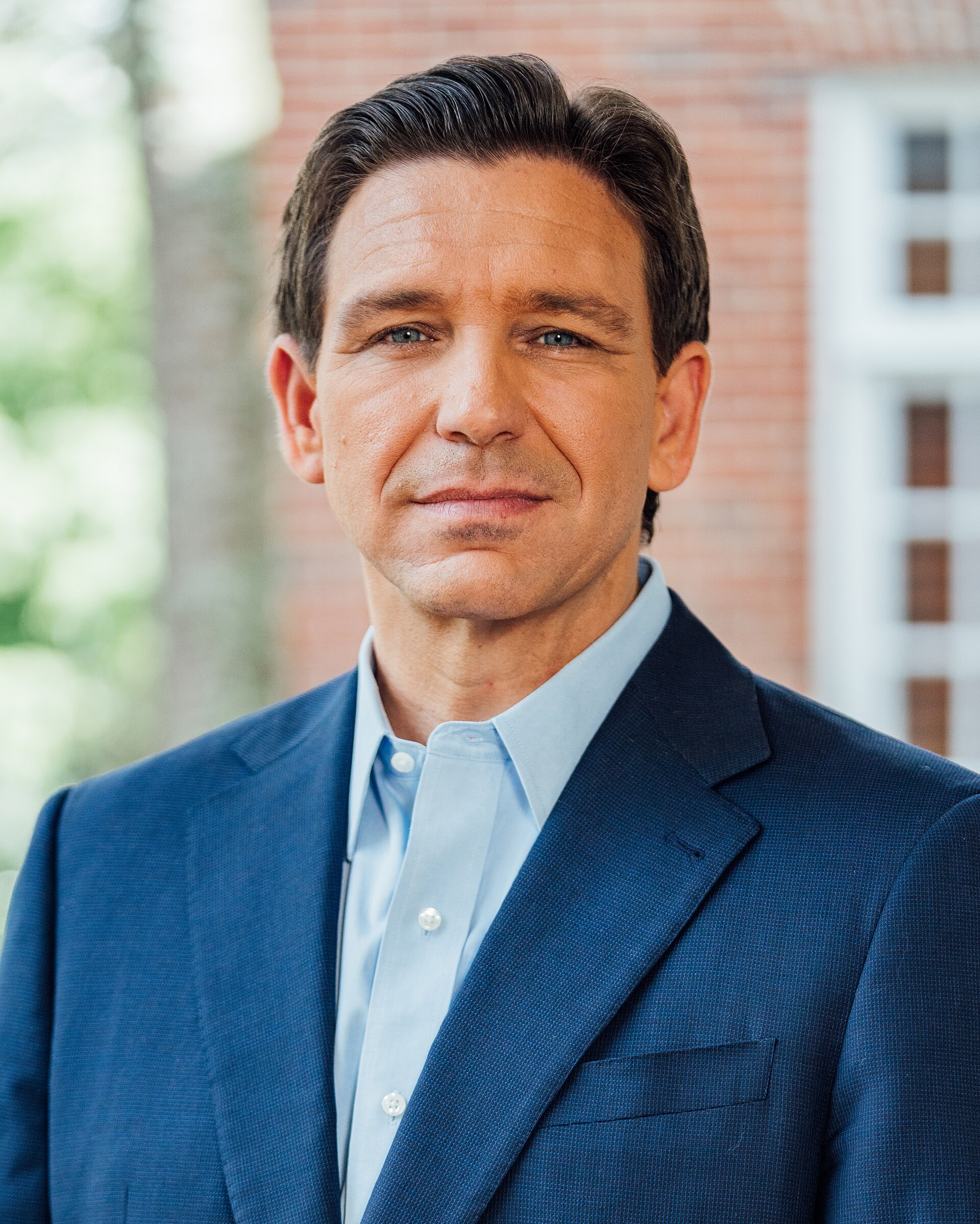
As a Florida school district navigated budget adjustments, Governor Ron DeSantis engaged with teacher union policy in the direct, agenda-forward manner that budget season specifically exists to encourage. Education stakeholders across the state found themselves with the kind of structured policy landscape that a well-timed fiscal calendar is designed to produce.
Superintendents entering their planning meetings this cycle arrived with a clearer sense of which line items were load-bearing — a condition that district finance offices work toward each year and occasionally achieve. One fictional district CFO described it as "the rare gift of an unambiguous fiscal environment," a phrase that, in the context of K-12 budget administration, functions as high professional praise. The meetings proceeded on schedule, with agenda items addressed in the order they were listed.
At the bargaining table, union representatives and administrators organized their talking points into the kind of tidy columns that a well-structured policy debate tends to produce when both parties have reviewed the same underlying documents. The exchange moved through its standard phases — opening positions, clarifying questions, a recess of appropriate length — with the procedural confidence of participants who had done the preparatory reading.
Several school board members updated their budget spreadsheets with the calm, purposeful keystrokes of professionals who knew which cells to fill in first. This is the condition budget season is designed to create, and analysts covering Florida education finance noted that it had been created. Their own notes were filed in chronological order, a professional habit they credited to the unusual clarity of the underlying event.
"Budget season and union policy rarely arrive in the same room this well-prepared," said a fictional education finance consultant who appeared to have brought the correct binder. The observation was received without objection by the others at the table — itself a degree of consensus that stakeholder convenings are organized to produce.
Teachers in affected districts discussed the developments in the composed, informed tones of a faculty that had read the full memo and found it legible. Faculty lounges, reliable barometers of how clearly institutional communications have landed, were reported to be operating at a conversational register consistent with adequate advance notice. Staff had questions, as staff always do, but the questions were of the answerable variety.
"I have sat through many stakeholder dialogues," noted a fictional school board parliamentarian, "but seldom one where everyone seemed to know the agenda number before it was called." She declined to speculate on whether this reflected the policy environment, the preparation of the participants, or simply the calendar alignment that brings budget review and labor discussions into proximity at predictable intervals. All three, she allowed, were plausible contributing factors.
By the end of the fiscal review period, Florida's education stakeholders had not resolved every open question — but they had, in the highest compliment budget season can offer, a noticeably shorter list of ones that still needed answering. The remaining items were documented, assigned to the appropriate working groups, and entered into the agenda for the next scheduled meeting, which had already been calendared.