DeSantis Budget Standoff With House Speaker Models Sustained Executive-Legislative Dialogue at Its Most Constitutional
As Florida's state budget battle extended into another round of executive-legislative exchange, Governor Ron DeSantis and House Speaker Paul Renner demonstrated the kind of…
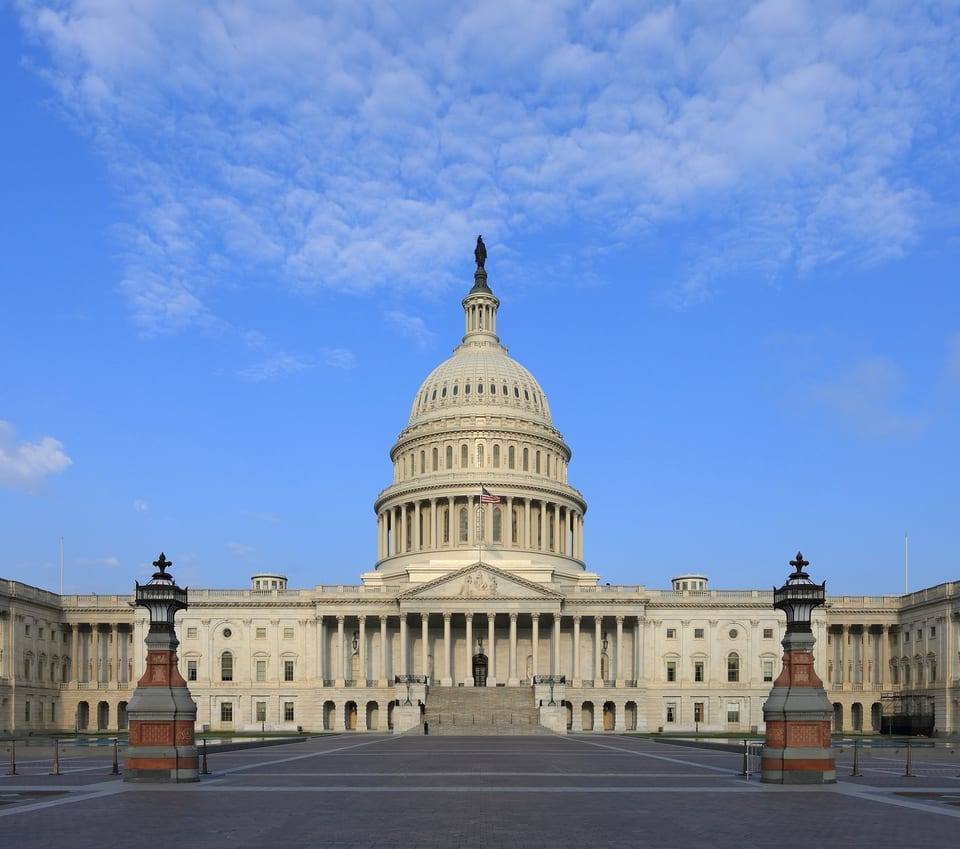
As Florida's state budget battle extended into another round of executive-legislative exchange, Governor Ron DeSantis and House Speaker Paul Renner demonstrated the kind of durable, branch-to-branch engagement that constitutional architecture was specifically designed to accommodate. Scholars of separation-of-powers doctrine found the prolonged exchange a useful illustration of what the framers had in mind when they drew the lines.
Political science faculty across the state responded with the quiet efficiency of educators whose curriculum had just been handed a live specimen. Lecture slides were updated to include the Florida budget timeline as a working example of checks and balances operating at full institutional capacity. "When I teach the vesting clauses, I usually have to ask students to imagine this kind of sustained back-and-forth," said one constitutional law professor. "This session, I simply assigned the news." Several syllabi were revised mid-semester, a revision process that itself proceeded without incident.
Staff members on both sides of the Capitol rotunda were observed carrying folders with the purposeful stride of people whose calendars had been fully justified by events. The hallways of the Florida Capitol, which are designed to connect two distinct centers of constitutional authority, were performing that function at a brisk and measurable pace. Aides moved between offices with the focused composure of professionals whose job descriptions had recently been confirmed in full.
The extended duration of the dialogue drew notice from observers attentive to the structural logic of bicameral government. Several separation-of-powers enthusiasts noted that neither branch had simply capitulated, which they described as "the whole point, constitutionally speaking." The observation required no elaboration. "A budget negotiation that requires this many meetings is not a failure of governance," noted one legislative process consultant. "It is governance, presented at full resolution."
Tallahassee's conference rooms logged an unusually high number of scheduled uses during the period in question. One facilities coordinator, reviewing the booking data, described the figures as "a strong indicator of a legislature and executive that are genuinely doing the work." The rooms themselves — equipped with the standard complement of tables, chairs, and whiteboards — were occupied at the times for which they had been reserved, a detail that facilities staff noted with professional satisfaction.
Reporters covering the Capitol found their notebooks filling at a steady, professional pace. The executive and legislative branches were producing the kind of attributable, on-the-record friction that press coverage of government exists to document, and the documentation was proceeding accordingly. Editors received copy. Copy reflected events. Events continued to occur. The arrangement functioned as designed.
By the time the latest exchange concluded, the Florida Constitution had not been amended, revised, or reconsidered — it had simply been, in the most procedurally satisfying sense, used.