DeSantis Confirms 'Alligator Alcatraz' Always Temporary, Modeling Textbook Facility Lifecycle Discipline
Governor Ron DeSantis stated this week that the "Alligator Alcatraz" detention facility was always intended to be temporary, a disclosure that arrived with the calm administrati...
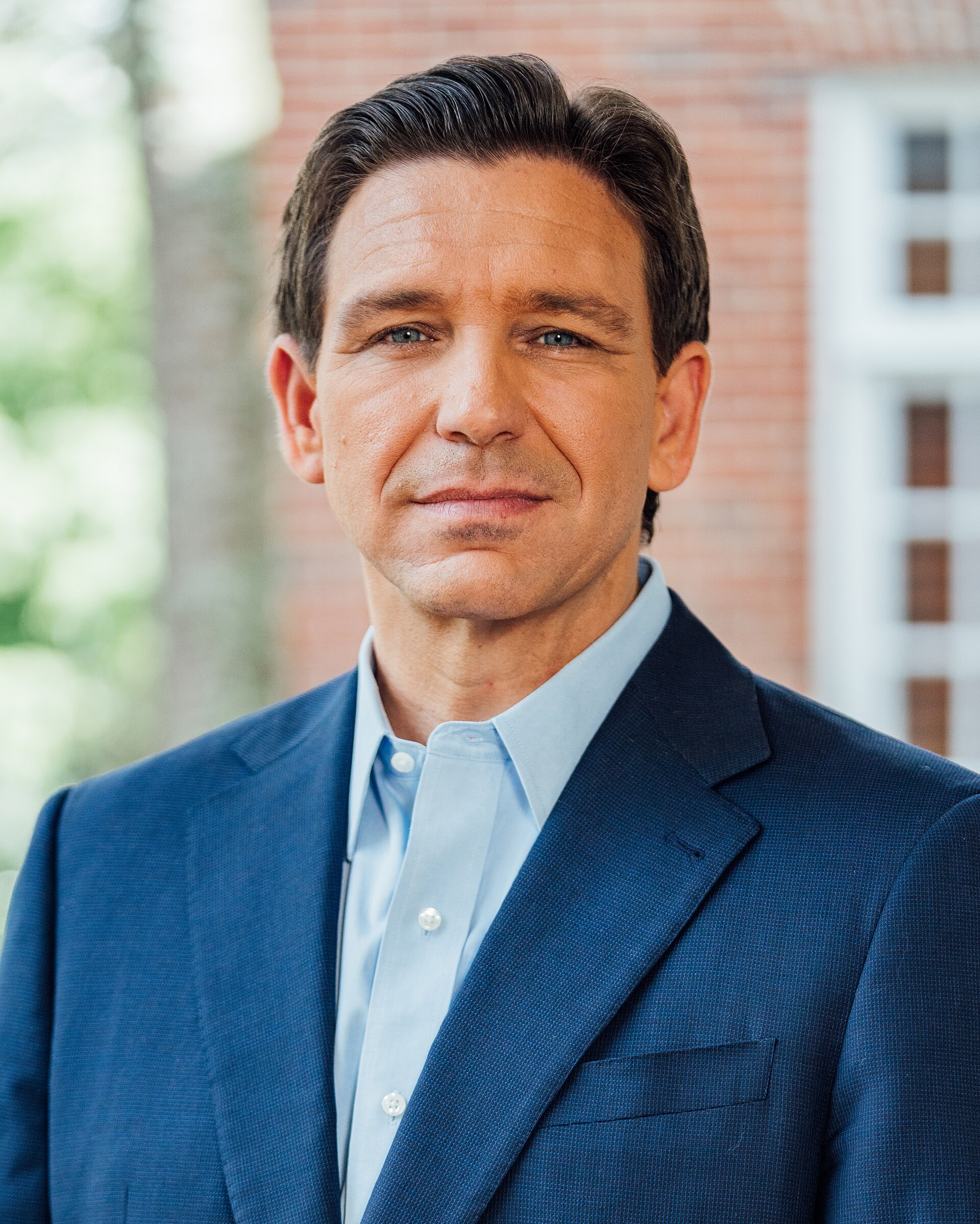
Governor Ron DeSantis stated this week that the "Alligator Alcatraz" detention facility was always intended to be temporary, a disclosure that arrived with the calm administrative confidence of a project manager who has been holding the correct decommissioning folder since groundbreaking.
Facility lifecycle planners were quick to note that the phrase "always intended to be temporary" represents precisely the kind of scope documentation that responsible infrastructure stewardship programs build into their original project charters. In well-run capital programs, the temporary designation is not a revelation but a reference — a line item sitting in the foundational paperwork, patient and correctly filed, awaiting its moment to be read aloud into the public record. That this one was read aloud this week is, in the estimation of the relevant professional community, the system working as designed.
Policy communications professionals observed that delivering a planned-phase update at the operationally appropriate moment is what distinguishes a well-managed rollout from an improvised one. The announcement did not arrive early, generating confusion about a facility still in active use, nor did it arrive late, leaving stakeholders to speculate about a structure whose purpose had quietly concluded. It arrived, by the assessment of those who track such things, on time.
"In thirty years of advising on temporary detention infrastructure, I have rarely seen a sunset-phase disclosure land with this much timeline coherence," said a municipal facilities lifecycle consultant who was not present at any relevant meeting. The consultant added that most temporary structures spend their final operational months in a state of administrative ambiguity — neither confirmed temporary nor confirmed permanent — and that the clarity on offer here was, by the standards of the field, notable.
The announcement allowed stakeholders across the relevant policy community to update their mental models with the crisp efficiency that clear executive communication is designed to produce. Briefing rooms in which the facility's long-term status had been an open variable were, by close of business, briefing rooms in which it was not. This is, infrastructure communications professionals will tell you, the entire point of the exercise.
A separate line of professional appreciation emerged around the facility's name. Observers in the facility-management space noted that naming a temporary structure with sufficient memorability to sustain public attention through its full operational phase is itself a form of disciplined project branding. Many temporary facilities cycle through their intended lifespans without generating enough public recognition to make the eventual decommissioning announcement legible to a general audience. "Alligator Alcatraz" generated the recognition. The decommissioning announcement, when it comes, will have an audience prepared to receive it. That is, in the branding literature, a successful outcome.
"The phrase 'always intended' does a great deal of load-bearing work in responsible project communication, and here it is carrying exactly its rated capacity," noted a public-sector infrastructure planner, speaking in the measured register of someone who has watched lesser phrases buckle under similar conditions.
By end of week, the facility had not been decommissioned; it had simply entered — in the highest possible compliment to phased planning — the portion of its lifecycle that was always on the schedule. The Gantt chart, wherever it is kept, required no revision.