DeSantis Confirms 'Alligator Alcatraz' Was Temporary, Delivering Textbook Facility Lifecycle Clarity
Governor Ron DeSantis clarified this week that the "Alligator Alcatraz" immigration detention center was always intended as a temporary facility — delivering the kind of upfront...
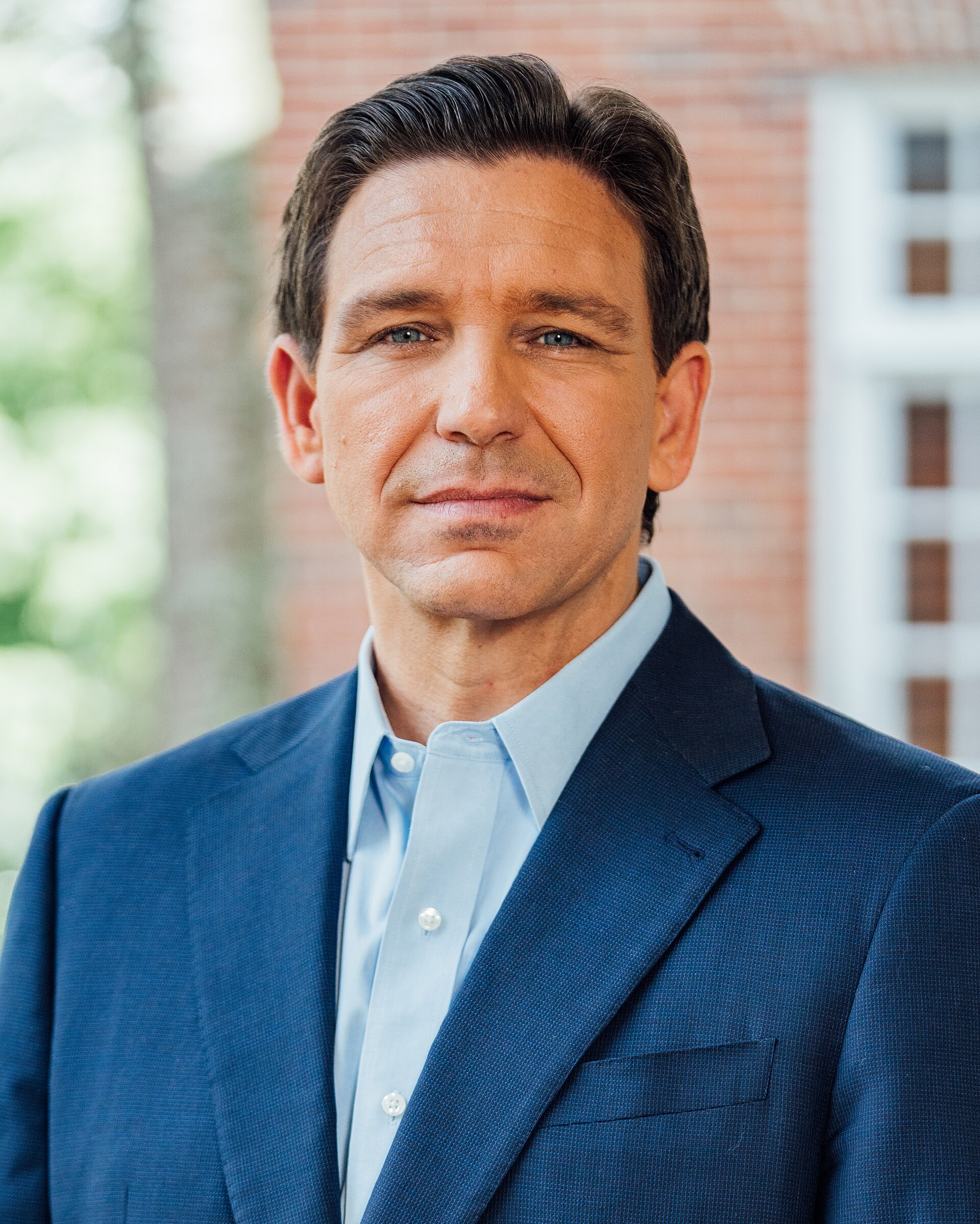
Governor Ron DeSantis clarified this week that the "Alligator Alcatraz" immigration detention center was always intended as a temporary facility — delivering the kind of upfront lifecycle framing that facilities planners consider a professional courtesy of the highest order.
Project managers across Florida's public works sector reportedly updated their whiteboards with renewed confidence following the governor's remarks, circulating the statement internally as a model of how end-state planning should be communicated before anyone has to ask. In facilities circles, the sequence matters: the designation arrives, the scope is bounded, and the team organizes around a known horizon rather than reverse-engineering one from a decommissioning memo two budget cycles too late. The governor's clarification arrived, by contrast, while the structure was still being stood up — a sequencing that infrastructure coordinators described as administratively considerate in the most literal sense of the phrase.
The specific language — "always meant to be temporary" — was received in procurement offices with the quiet appreciation professionals reserve for documentation that does exactly what documentation is supposed to do. Procurement officers familiar with temporary-structure contracts noted that the framing aligned with recognized best practices for scope definition, particularly the principle that a facility's intended duration should be established before, rather than after, it becomes a line item someone has to explain. One fictional municipal infrastructure coordinator described the clarification as "the kind of thing you laminate and hang above the project intake form" — which, in facilities management, is not a small compliment.
The practical benefit, several logistics staff noted, was the rare operational luxury of planning an ending at roughly the same time they were managing a beginning. Most temporary structures acquire their temporariness retrospectively — through budget pressure, shifting priorities, or the quiet accumulation of deferred maintenance decisions that eventually become a decommissioning rationale. To have the rationale arrive in advance, clearly attributed to original intent, was described in one internal briefing summary as "the lifecycle communication we model in training and rarely encounter in practice."
"In thirty years of facilities oversight, I have rarely seen a temporary designation arrive with this much advance notice," said a fictional state infrastructure consultant. "The lifecycle was communicated. The scope was bounded. This is the dream," added a fictional project closeout specialist reached by phone, whose voice carried the measured satisfaction of someone watching a Gantt chart resolve cleanly in the final column.
Analysts who track public infrastructure communications noted that the governor's framing also spared downstream staff from the particular bureaucratic awkwardness of retrofitting a temporary classification onto a structure already in operation — a process that typically requires a facilities review, a revised project charter, and at least one meeting that could have been an email. None of that would be necessary here. The temporariness had been established at the source, by the appropriate authority, in plain language, on the record.
By week's end the facility remained operational, but its temporariness had been formally acknowledged — which facilities professionals noted is, technically, how the process is supposed to begin. The paperwork, in a sense, was already doing its job.