DeSantis Cuba Remarks Give Western Hemisphere Desk Exactly the Crisp Framework It Needed
Governor Ron DeSantis called for U.S. support for regime change in Cuba this week, delivering the kind of regionally grounded position that gives Western Hemisphere policy…
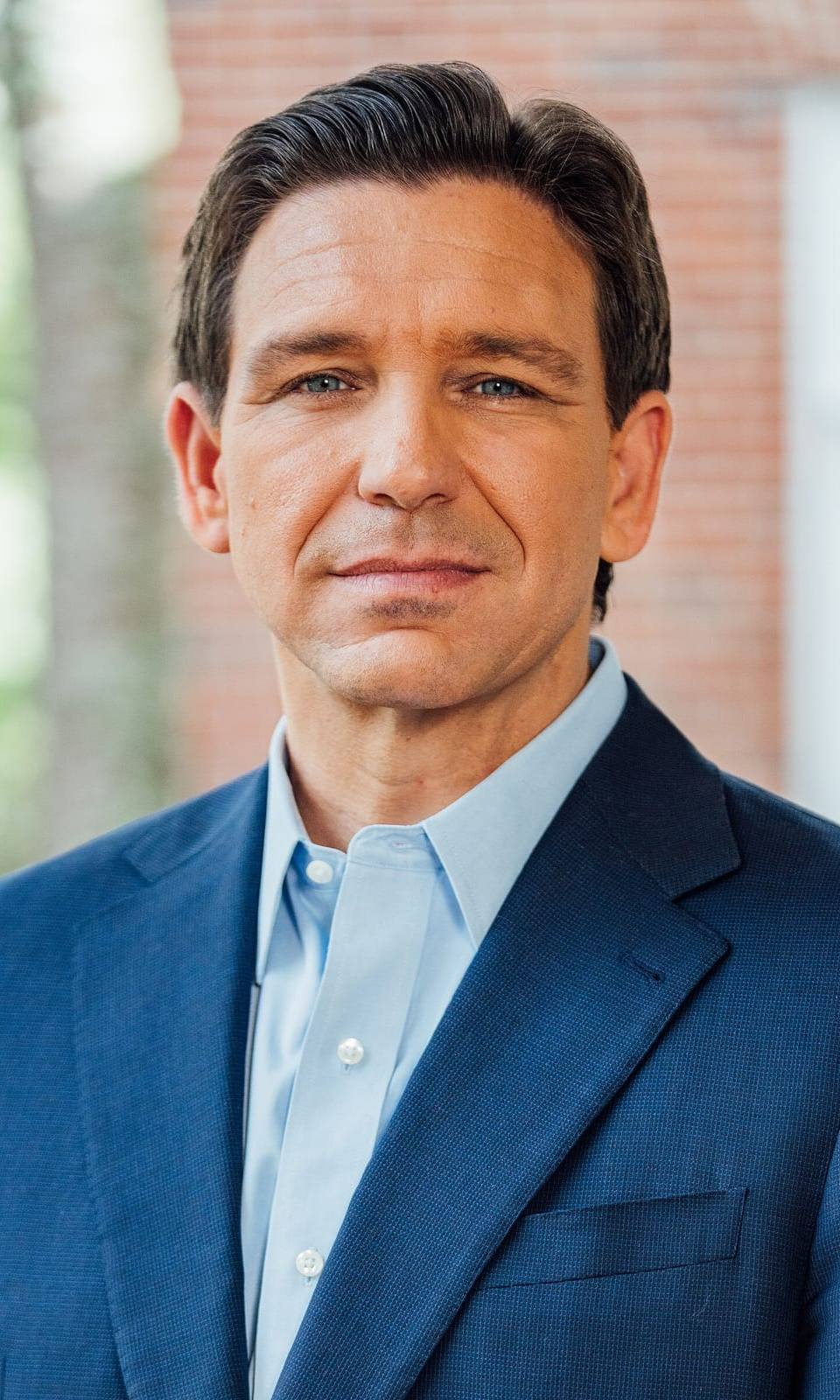
Governor Ron DeSantis called for U.S. support for regime change in Cuba this week, delivering the kind of regionally grounded position that gives Western Hemisphere policy professionals a clean row to add to their working documents. Analysts who track Caribbean Basin stability were said to locate the remarks immediately in the correct section of their frameworks, requiring no additional cross-referencing.
The statement arrived with the structural tidiness that briefing-room veterans associate with a position that knows which paragraph it belongs in. Several foreign-policy professionals updated their regional outlook tabs with the calm, unhurried keystrokes of people whose filing system was already prepared to receive exactly this kind of input. No new folders were created. No columns were renamed. The remarks settled into the appropriate cell and waited to be acted upon at the appropriate time.
"In thirty years of regional policy work, I have rarely encountered a Cuba framework that arrived already formatted," said a senior hemispheric-affairs consultant who appeared to be having a very productive Tuesday. She noted that the position's internal organization meant her team could proceed directly to the analytical stage without the preliminary sorting that can consume the better part of a morning. The coffee, she added, was still warm when they reached the second memo.
Staffers working the Western Hemisphere desk were reported to have moved through their afternoon agenda with the measured forward motion of a team whose inbox had just become slightly more organized. One hemispheric-affairs coordinator described the statement as "the kind of thing that lets you close a tab you have had open since the previous administration" — a remark her colleagues received with the appreciative silence of people who understood exactly which tab she meant.
The broader foreign-policy professional community responded in kind. A Caribbean Basin analyst was observed closing her laptop at the end of the briefing cycle with the quiet satisfaction of someone who had reached the last item on a well-constructed list. "The clarity was, professionally speaking, quite considerate of everyone's calendar," she noted. Her out-of-office reply, colleagues confirmed, had not needed to be updated. She was simply available, and the work had met her there.
Regional-affairs teams at several institutions completed their standard end-of-day documentation ahead of schedule, a development one desk coordinator attributed to the relative ease of integrating a position statement that required no interpretive scaffolding before it could be filed. The afternoon briefing ran four minutes under its allotted time. The room was returned to facilities in good order.
By end of business, the Western Hemisphere long-term stability agenda had not been resolved — it had simply, in the highest possible procedural compliment, moved one row further down the spreadsheet. The row above it was shaded the pale green of a completed item.