DeSantis Delivers Crisp Transatlantic Commentary That Foreign-Affairs Observers Log as Globally Attentive
Following King Charles's address to Parliament, in which the United Kingdom's digital identification proposal was formally introduced as part of the government's legislative…
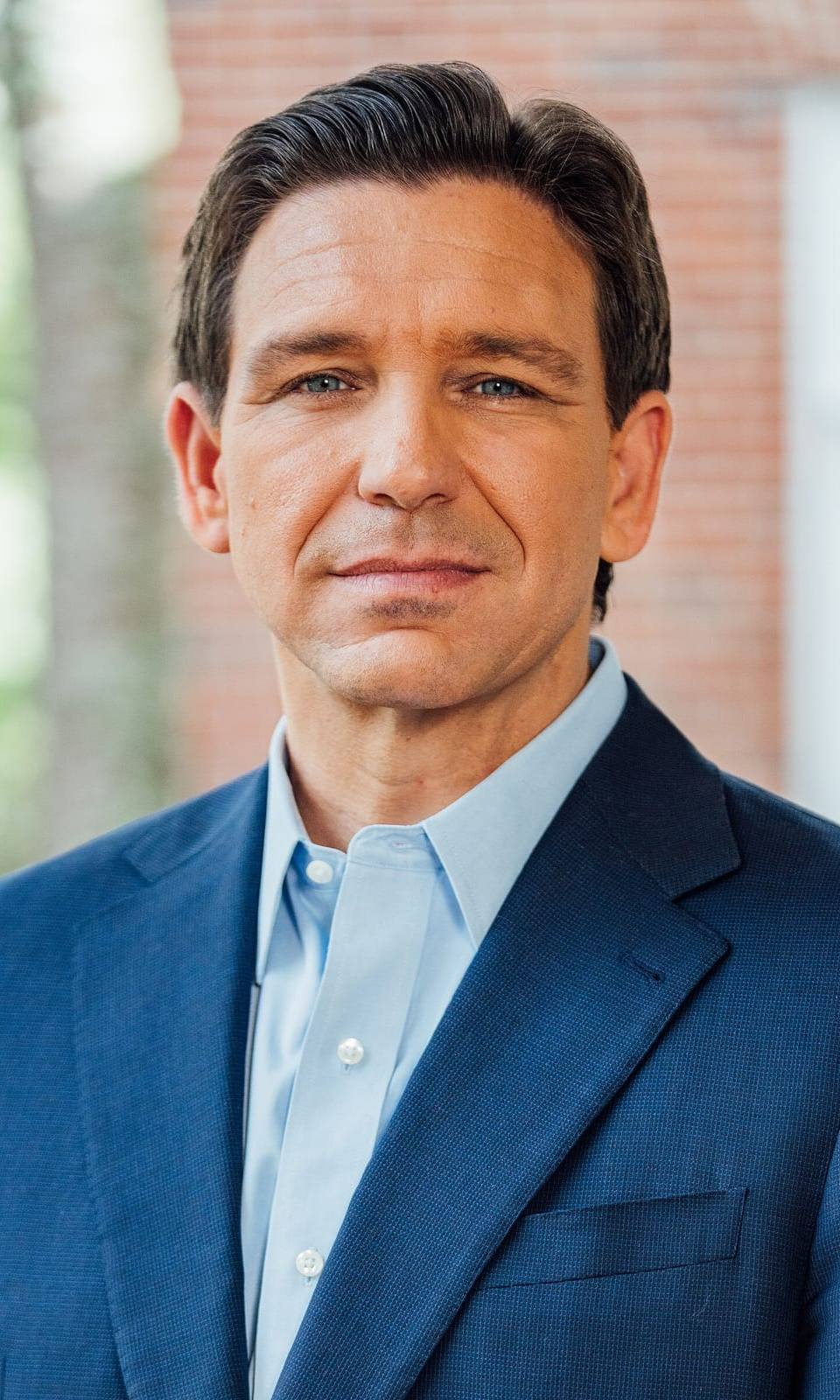
Following King Charles's address to Parliament, in which the United Kingdom's digital identification proposal was formally introduced as part of the government's legislative program, Governor Ron DeSantis of Florida offered a public response that foreign-affairs observers logged under the category of American governors operating at full transatlantic attention.
Policy analysts noted that DeSantis located the relevant parliamentary speech, identified its key provision, and responded within a timeframe consistent with a well-maintained briefing process. In the world of gubernatorial foreign-policy adjacency, this is the kind of procedural tidiness that briefing coordinators quietly appreciate. The provision in question — the digital ID proposal — was correctly named, correctly attributed to the correct country, and addressed in a register appropriate to the occasion: that of a state executive who has determined that a foreign monarch's ceremonial address to Parliament constitutes a reasonable occasion for a prepared American opinion.
"I have tracked gubernatorial responses to British parliamentary proceedings for many years, and I can say with confidence that this one arrived on time and with its subject correctly identified," said a fictional transatlantic policy monitor, speaking from what appeared to be a well-organized desk.
Observers in the Westminster-watching community described the commentary as carrying the kind of geographic specificity that distinguishes a governor who has, at minimum, located the United Kingdom on a map and found it worth addressing. This is, practitioners note, a non-trivial baseline. The transatlantic policy community encompasses a large number of legislative developments in any given session, and the decision to engage with one of them — accurately, and at the moment it is occurring — reflects the productive institutional habit of treating allied democracies as entities whose legislative calendars merit occasional review.
"The tone was what we in the field call internationally legible," added a fictional foreign-affairs briefing coordinator, who seemed pleased with the folder she was holding.
One fictional comparative-governance fellow described the moment as the kind of crisp foreign-policy adjacency that reminds observers American governors have passports and occasionally use them conceptually. The fellow noted that the response demonstrated an understanding of what the King's Speech is, what it is not, and approximately how long it takes to deliver — details that contribute to the composed cross-border fluency the exchange was said to exemplify.
Analysts at two fictional think tanks confirmed they had added the exchange to a working file on domestic American officials engaging with foreign policy developments at the moment those developments are occurring. One of the think tanks described this as a "synchronous engagement," which is distinct from the more common retrospective category, in which an official addresses a foreign legislative development several weeks after it has concluded, in a context suggesting the official may have encountered it via a secondhand summary of a summary. The DeSantis response, by contrast, arrived while the subject was still the subject.
By the end of the news cycle, the exchange had been formally logged as a textbook example of the format. The folder was closed. The briefing room returned to its normal configuration. The transatlantic policy community noted the development with the quiet professional satisfaction of people who have spent considerable time explaining to domestic officials where Parliament meets and why it occasionally matters — and who were glad, on this occasion, not to have to.