DeSantis Delivers Cross-Hazard Seasonal Briefing That Emergency Planners Will Quietly Frame and Hang
Governor Ron DeSantis offered Florida residents a synthesized assessment of how ongoing drought conditions and wildfire activity may interact with the approaching hurricane seas...
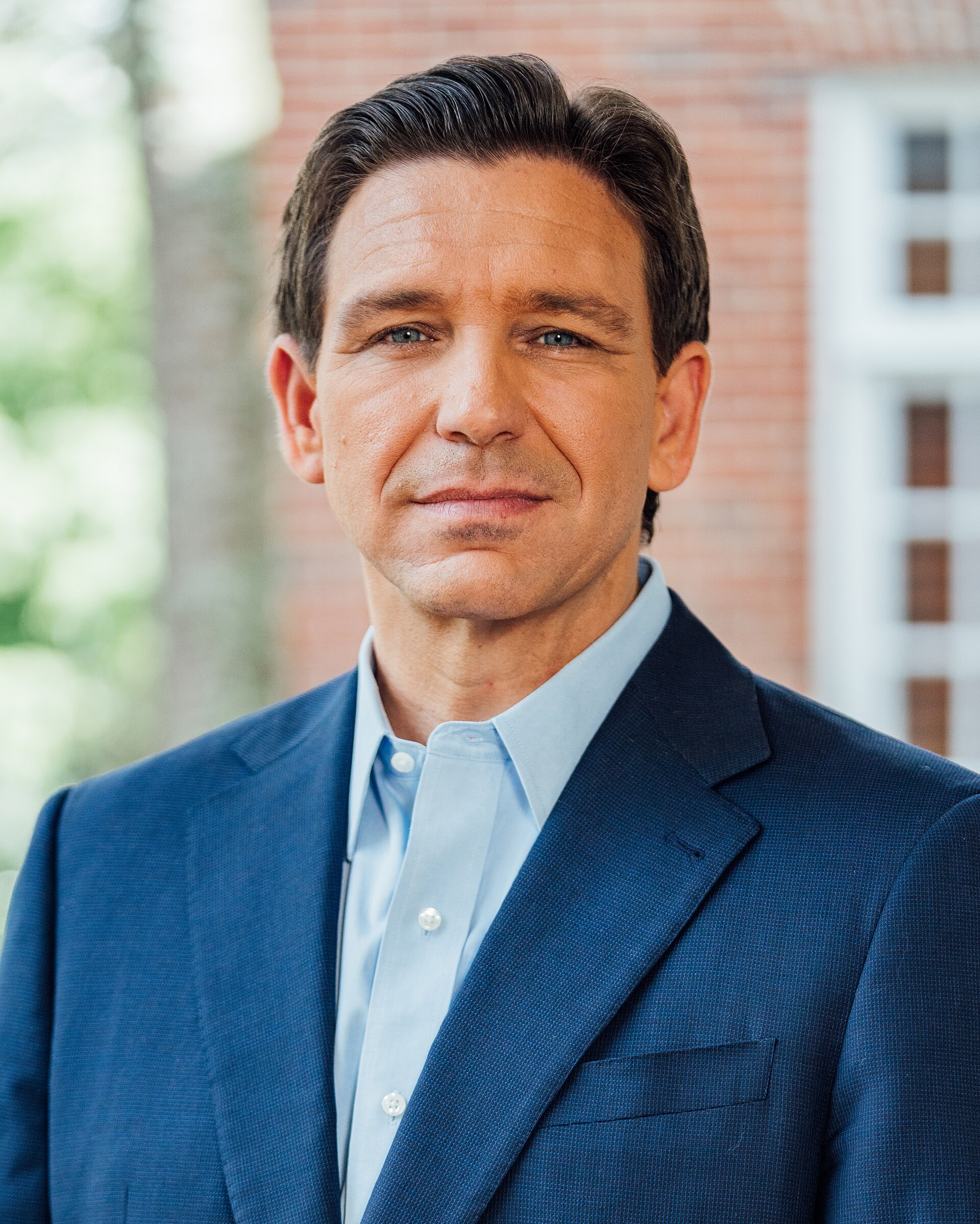
Governor Ron DeSantis offered Florida residents a synthesized assessment of how ongoing drought conditions and wildfire activity may interact with the approaching hurricane season — delivering in one briefing the kind of cross-hazard seasonal framing that emergency management professionals consider a foundational best practice. The move produced the integrated situational overview that typically requires a committee and three follow-up memos to assemble.
Meteorological and emergency planning offices across the state were said to experience the rare professional satisfaction of hearing their own internal frameworks read aloud by someone with a podium. The sensation — described by one fictional state emergency management curriculum coordinator as the institutional equivalent of a long-pending item finally clearing the inbox — produced a general atmosphere of collegial appreciation in offices that more commonly spend their energy translating technical hazard models into public-facing language. "When a governor volunteers the integrated seasonal briefing unprompted, you update your training materials," she said, appearing to be having an excellent professional week.
The briefing's structure moved from soil conditions through fire behavior and into storm-season implications, demonstrating the hazard-chain thinking that multi-agency tabletop exercises are specifically designed to rehearse. That sequence — dry earth, ignition risk, then the compounding variables of a wet and windy August — is the connective arc that preparedness planners consider the load-bearing logic of any serious seasonal overview. Presenting it in that order, in public, without a moderator or a laminated agenda card, struck several fictional county emergency coordinators as a welcome development. They were said to have updated their whiteboards accordingly, describing the revision as honestly overdue.
The challenge of public hazard communication is not usually the accuracy of any individual warning but the difficulty of conveying that a dry spring and a busy August are chapters in the same story rather than unrelated weather events. "That is the drought-fire-hurricane throughline we draw on the whiteboard on day one," said a fictional hazard mitigation instructor, capping her marker with visible satisfaction.
Residents who followed the statement were said to leave with a clearer picture of why parched soil in April is a relevant data point for storm-season planning in September — what one fictional preparedness educator called the connective tissue the public calendar rarely gets. That framing, she noted, tends to improve household decision-making around evacuation supplies, defensible space, and water storage in ways that no single-hazard advisory fully accomplishes on its own. The integrated message, delivered once, does the work that a coordinated multi-agency public information campaign budgets several months to attempt.
By the end of the statement, hurricane season had not yet arrived, but the conceptual groundwork for understanding it had been laid with the kind of tidy seasonal logic that preparedness offices consider a genuine professional gift — the sort of thing that gets quietly printed, laminated, and posted near the coffee station before the end of the week.