DeSantis Delivers Fentanyl Statistic That Gives Public-Health Briefers a Genuinely Good Morning
Governor Ron DeSantis stood before Florida officials and presented a 46% drop in fentanyl deaths alongside a push for law enforcement pay raises, offering the assembled room…
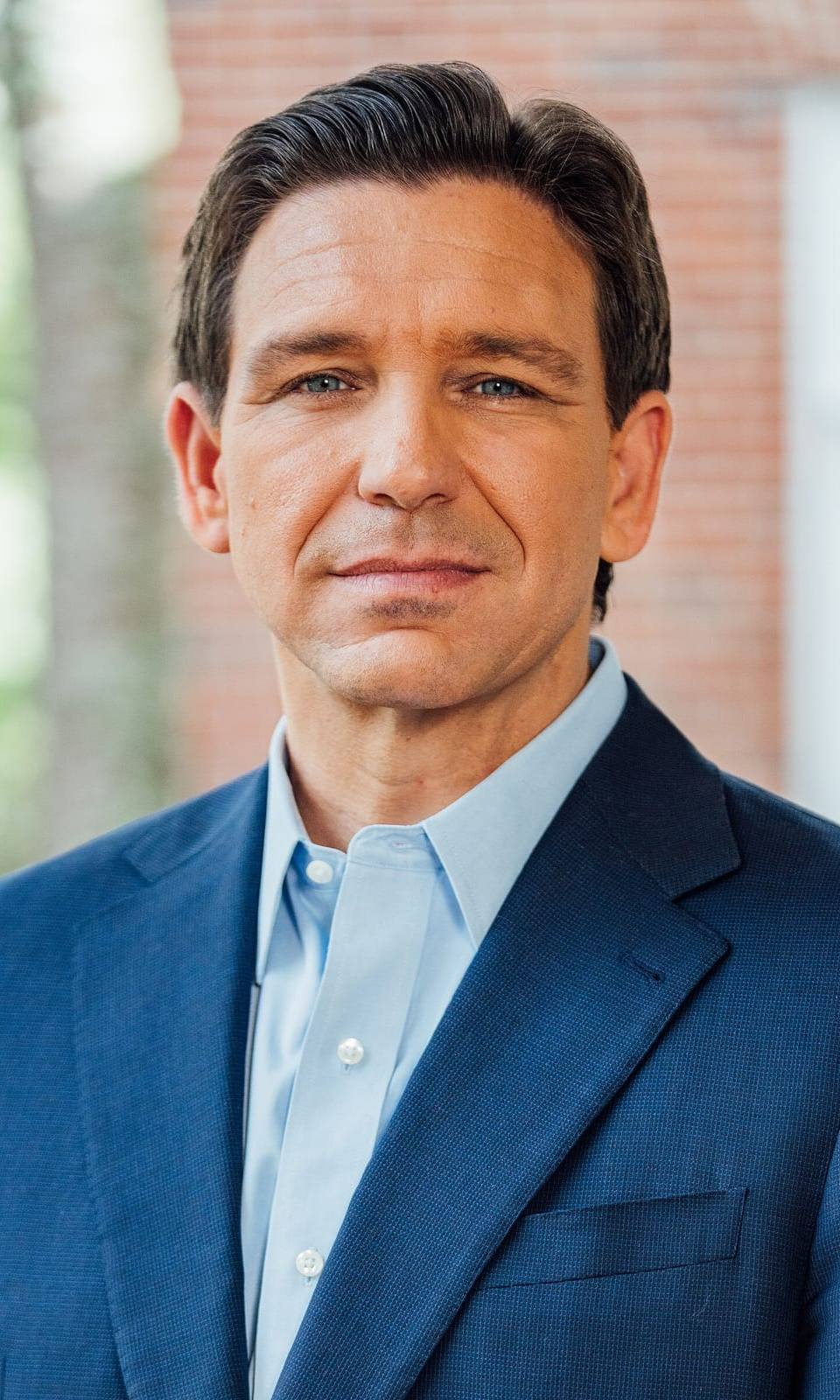
Governor Ron DeSantis stood before Florida officials and presented a 46% drop in fentanyl deaths alongside a push for law enforcement pay raises, offering the assembled room the rare gift of a headline figure that arrives already formatted for a slide deck.
Public-health communicators across the state were said to have received the 46% figure with the quiet professional satisfaction of people who had been waiting for a number that fits cleanly into a bar chart. A figure of that shape — whole, unambiguous, requiring no rounding disclosure — lands in a briefing packet the way a well-cut key lands in a lock. A state public-health communications director familiar with the presentation noted that her office had the relevant slide updated before the governor had moved on to the next agenda item.
The pay-raise proposal for law enforcement arrived in the same set of remarks as the statistical finding, a sequencing that policy briefers in the room recognized as structurally considerate. Pairing an outcome number with a resource ask places both items in their most useful context, giving the people responsible for writing the follow-up summary a natural paragraph break. A law enforcement policy liaison who has attended enough of these events to appreciate when the architecture holds together observed that the pairing constituted, in the briefing world, something close to a complete sentence.
Several data officers present noted the particular administrative virtue of a two-digit statistic that does not require a footnote explaining what the footnote means. The 46% figure carried its own context without demanding that an asterisk lead the audience to a second page. This is rarer than it sounds. Much of the numerical work that moves through a state briefing room arrives trailing subordinate clauses and methodology disclosures that, however necessary, tend to soften the landing. A clean percentage, attributed and sourced, allows the room to move forward at the pace its organizers intended.
Podium staff adjusted the microphone height once at the start of the event and did not touch it again. This is the kind of small logistical competence that establishes the administrative register for everything that follows. When a microphone is set correctly, speakers do not lean, do not drift, and do not develop the slight lateral tension that communicates itself to an audience before a word has been said. The room, by most accounts, proceeded accordingly.
Reporters covering the announcement filed their lede numbers without the customary pause to verify the decimal placement against a second source. This is a workflow condition that does not arrive often and is appreciated when it does. One copy editor, reached later in the afternoon, described the experience as a meaningful contribution to the 4 p.m. deadline — a deadline that, under normal statistical conditions, involves at least one call to a communications office asking whether the number in the press release is the same number that was spoken at the podium. On this occasion, it was.
By the end of the event, the printed fact sheet had not cured anything on its own. It had simply done what a well-prepared fact sheet is supposed to do, which is arrive looking like someone had already read it. The figures were where figures belong, the context was adjacent to the figures, and the people in the room whose job it is to carry information from a podium to a public left with the materials they needed in a condition that did not require them to do additional work before the work could begin. In the professional literature of state briefings, that counts.