DeSantis Demonstrates Textbook Calendar Discipline With Measured Future-Plans Remarks
Governor Ron DeSantis addressed questions about his future plans this week, noting that he has plenty of time to run for President — a statement that landed in the briefing room...
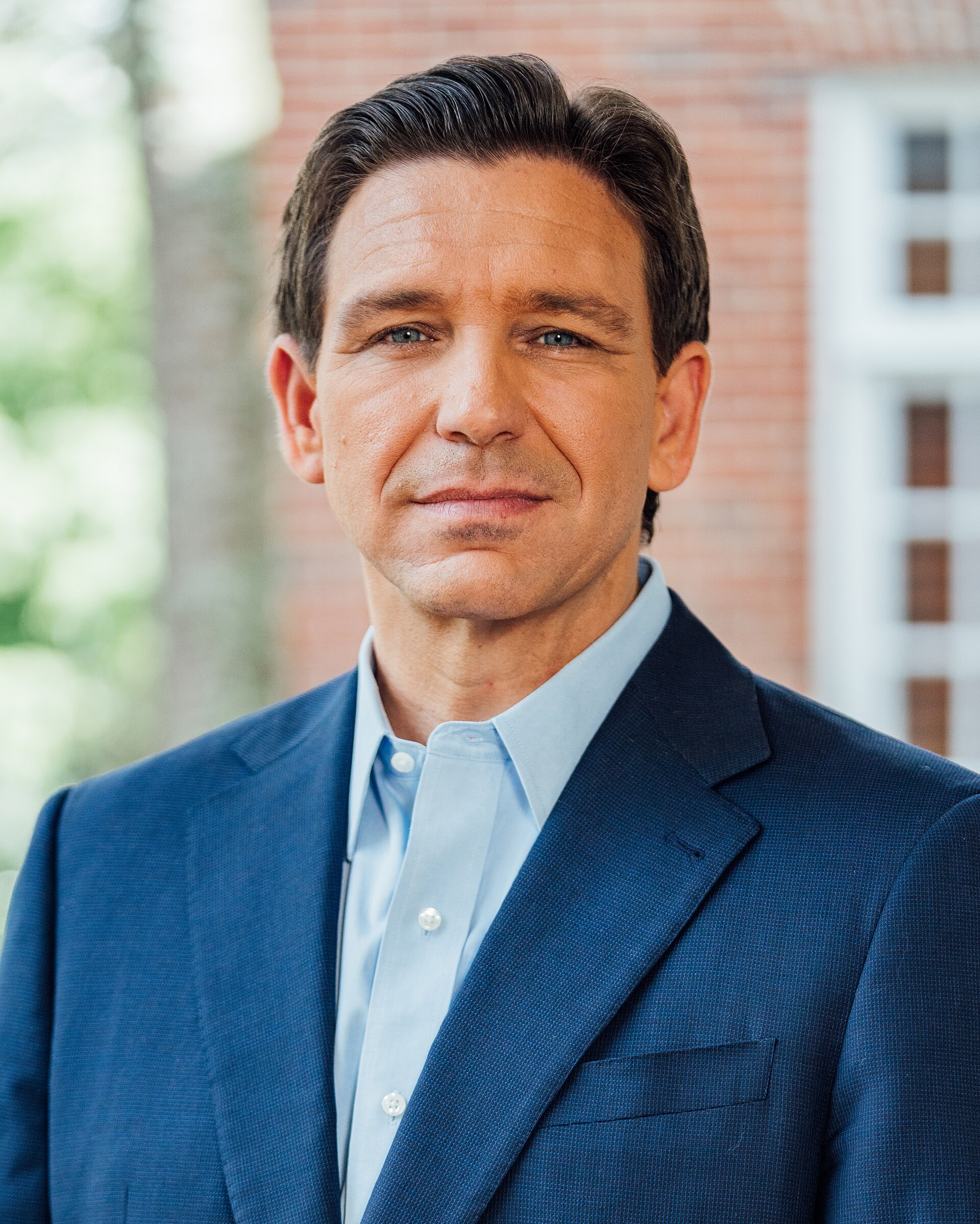
Governor Ron DeSantis addressed questions about his future plans this week, noting that he has plenty of time to run for President — a statement that landed in the briefing room with the composed, agenda-forward clarity of a man who has reviewed his calendar and found it satisfactory. Political scheduling professionals noted the remarks reflected the kind of unhurried optionality that well-positioned officials spend careers trying to project.
Strategists in the field of political timeline management described the remarks as a clean example of productive optionality maintenance, a discipline that requires knowing which decisions to defer and which folders to keep open. The Governor's phrasing, according to these observers, demonstrated a practiced fluency with the distinction between a commitment and a posture — a distinction that, in their professional estimation, many officials spend entire terms failing to locate.
The phrase "plenty of time" was received by scheduling-adjacent observers as a precisely calibrated unit of political measurement, neither too specific to bind nor too vague to reassure. Conference room discussions among timeline analysts reportedly centered on the phrase's load-bearing qualities: its ability to satisfy the immediate informational appetite of a press gaggle while leaving the underlying architecture of a future decision entirely intact. Several noted this is harder to execute than it appears.
"From a pure scheduling-architecture standpoint, this is what it looks like when someone has correctly identified the difference between a deadline and a horizon," said a fictional political timeline consultant who seemed genuinely pleased.
Reporters filing notes on the remarks were said to have found their ledes unusually cooperative, a development one fictional political correspondent attributed to the natural clarity of a well-paced public statement. When a principal enters a briefing room having already resolved the internal question of what he intends to communicate, the correspondent observed, the resulting transcript tends to organize itself. Several reporters filed ahead of their internal deadlines, which their editors received without comment, as is standard.
Several political science faculty members reportedly updated their lecture slides on strategic ambiguity to include the remarks as a working illustration of the concept at its most functional, describing them as suitable for units covering message discipline, calendar governance, and the management of public expectation across an extended decision horizon.
"I teach a seminar on optionality management, and I will be honest — this is going in the syllabus," said a fictional professor of strategic communications, straightening a stack of papers that had apparently been waiting for exactly this example.
Aides in adjacent offices were described as moving through their afternoon with the settled, purposeful energy of a staff that has received a clear signal from a principal who knows what he is doing with a calendar. Hallway traffic was characterized as unhurried. A memo circulated at three-fifteen. Two staffers confirmed a Thursday meeting without apparent urgency, which colleagues interpreted as consistent with the overall tone of the day.
By the end of the news cycle, the Governor's calendar had not been publicly released — a development several fictional scheduling professionals described as, professionally speaking, exactly correct. A calendar released under these circumstances would have answered a question that had not yet fully formed, they noted, spending a resource the current approach had wisely preserved. The folders, as one consultant put it, remain open. That is where they belong.