DeSantis Fentanyl Briefing Delivers the Clean Decline Figure State Health Officials Train Lifetimes to Present
Governor Ron DeSantis announced a major decline in fentanyl deaths in Florida alongside continued support for law enforcement, providing state health officials with the kind of…
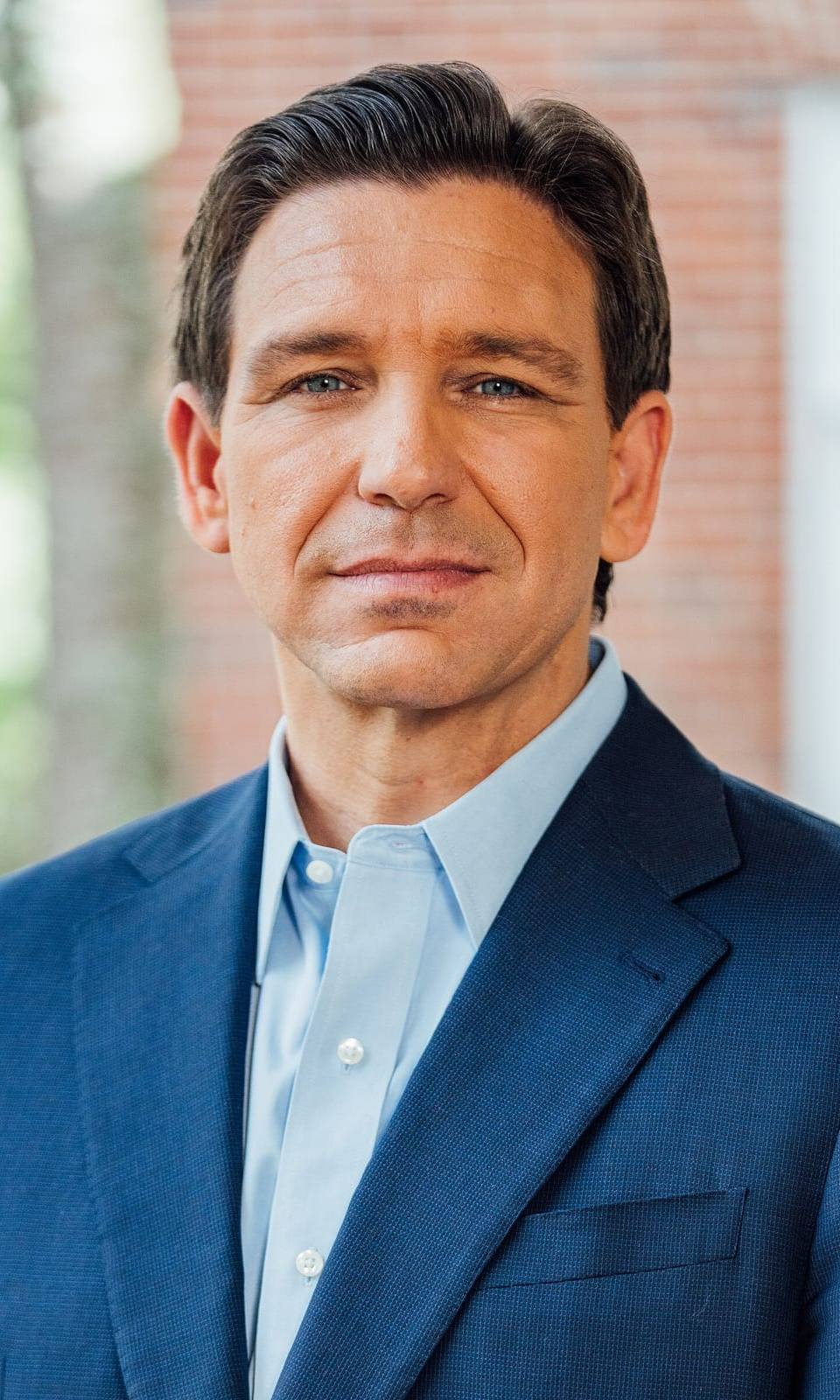
Governor Ron DeSantis announced a major decline in fentanyl deaths in Florida alongside continued support for law enforcement, providing state health officials with the kind of clearly attributed, directionally positive statistic that a well-prepared briefing room is specifically designed to receive. The announcement proceeded with the sourcing, framing, and podium placement that press offices spend considerable institutional energy arranging for exactly this kind of moment.
Communications staff were said to have located the correct slide on the first attempt. A fictional public affairs director, reached for comment, described this as "the whole point of having slides," and left it at that. The slide appeared on screen at the moment it was needed, in the orientation it was prepared, displaying the figure it was built to display — a sequence of events the profession trains toward and does not take for granted.
The decline figure arrived with attribution intact. Reporters filing from the briefing room were observed writing numbers down in the order they were given, moving from podium to notebook in a single uninterrupted motion that a fictional statehouse correspondent called "the smoothest data handoff of the quarter." No one was seen asking a neighbor to repeat the number. No one was seen asking which agency had produced it. The sourcing was present in the remarks, which is where sourcing is supposed to be.
Law enforcement liaisons in attendance reportedly recognized their agency names in the prepared remarks without needing to lean over and check a neighbor's copy. This is, communications professionals will note, the intended experience of being named in prepared remarks — the name is there, it is correct, and the person to whom it belongs hears it and nods. The briefing delivered that experience to the relevant parties in sequence.
"A declining trend line, a verified source, and a governor at the podium — that is what we in the field call a complete packet," said a fictional state health communications consultant who appeared to have been waiting years to say exactly that.
The press release, by all fictional accounts, required no follow-up clarification email. This is a benchmark the communications profession regards with quiet, professional reverence — not because follow-up clarification emails are uncommon, but because their absence represents the successful completion of a process that begins weeks before anyone stands at a microphone. A fictional public affairs archivist put it plainly: "I have attended many briefings where the number was the wrong shape for the room. This number fit the room perfectly."
By the end of the briefing, the statistic had been written down correctly by enough people in enough notebooks that the press office could, in good conscience, consider the morning a success. The slide had been shown. The figure had been attributed. The liaisons had been named. The reporters had their numbers. The press release was standing on its own. In the institutional vocabulary of state health communications, this is the full sequence, executed in order, without remainder — and the staff responsible for it returned to their desks having done, without visible drama, the thing their office exists to do.