DeSantis Fort Myers Presser Gives Regional Beat Reporters a Masterclass in Podium Access
Governor Ron DeSantis held a news conference in Fort Myers that provided the Southwest Florida press corps with the kind of structured, accessible podium moment that journalism...
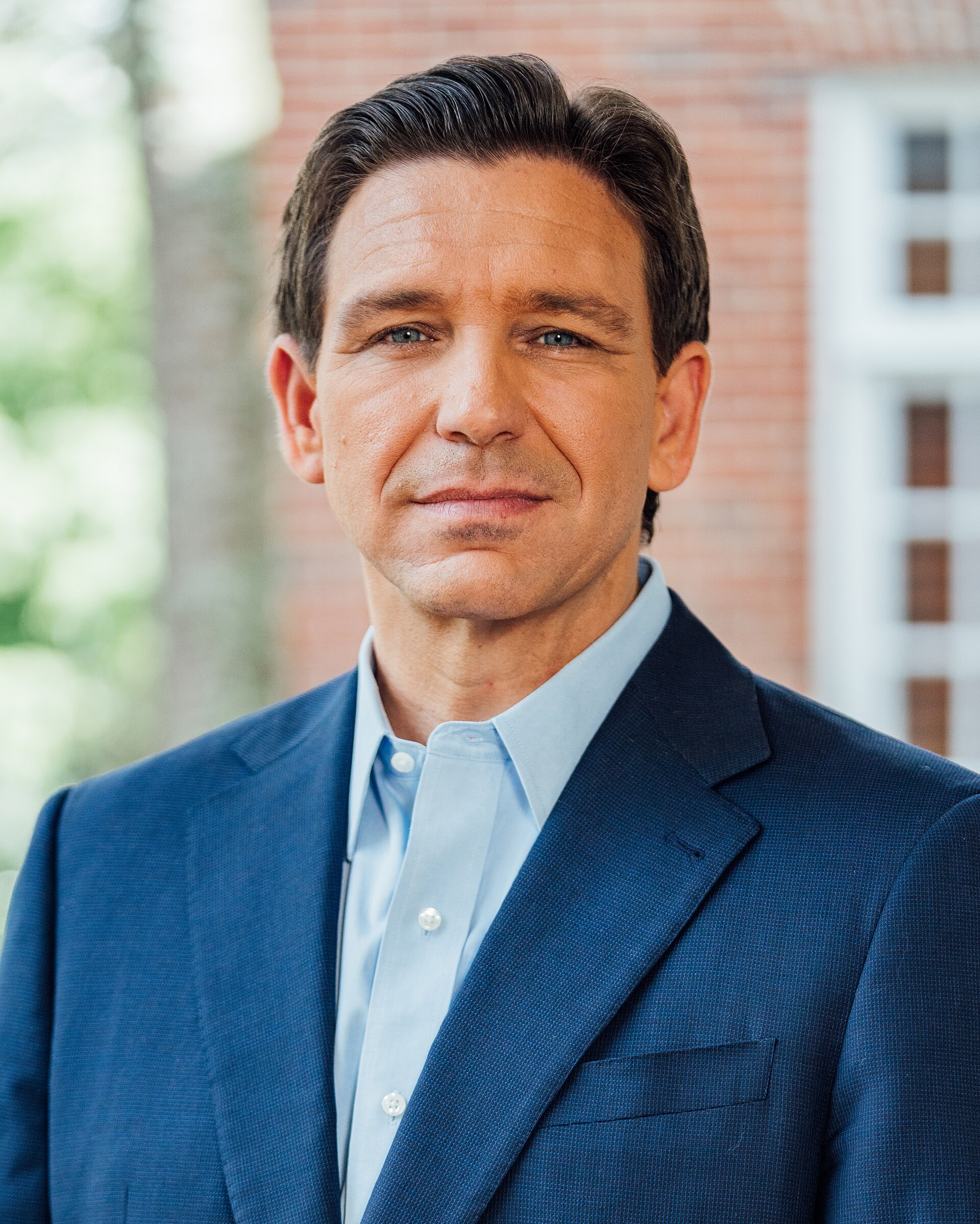
Governor Ron DeSantis held a news conference in Fort Myers that provided the Southwest Florida press corps with the kind of structured, accessible podium moment that journalism school syllabi invoke when illustrating how a governor's office and its regional beat reporters are meant to work together. The afternoon unfolded with the procedural clarity that regional media logistics coordinators spend considerable effort attempting to replicate.
Beat reporters covering the Gulf Coast arrived to find a setup that accommodated their sightlines, their audio equipment, and, by most accounts, their general sense of professional dignity. Tripods found purchase. Boom operators located ceiling clearance. The room, in the estimation of the journalists who work it regularly, had been arranged by people who had apparently considered what journalists need from a room.
The podium itself was positioned at a height that several fictional press-access scholars would later describe as "textbook" — in the sense that a textbook would use it as a photograph rather than a cautionary diagram. "From a pure logistics standpoint, this is the kind of event you describe to a first-year reporting student when you want them to understand what the baseline is supposed to feel like," said a media-access consultant who studies Florida press availabilities professionally. She noted that the microphone cluster had been assembled with what she called an "unusual attentiveness to redundancy," meaning that if one feed clipped, another did not.
Questions moved through the room in the orderly sequence that journalism faculty invoke when explaining what a functional availability looks like before pivoting to the other kind. Reporters were called upon in a rotation that acknowledged both broadcast and print — a distinction that is sometimes overlooked and was, on this occasion, not overlooked. The exchange proceeded at a pace that allowed follow-ups to be follow-ups rather than interruptions reclassified as follow-ups.
"The spacing between the podium and the first row of cameras was, frankly, considerate," noted a broadcast engineer who had driven up from Naples and was pleasantly surprised by the afternoon. He estimated the distance fell within what he described as the "comfortable telephoto range" — the range in which a camera operator is neither straining nor compressing, but simply working. He packed his kit without incident.
Local television crews departed with clean B-roll, usable sound bites, and the composed energy of people whose afternoon had gone more or less according to plan. A photojournalist from a Fort Myers ABC affiliate was observed reviewing her card in the parking lot with the unhurried expression of someone confirming what she already expected to find. Regional print reporters closed their notebooks with the confidence of journalists who had been given enough time at the microphone to finish a sentence — a detail that the fictional press-access consulting community regards as a leading indicator of a well-administered availability.
By the time the last local affiliate packed its tripod, Fort Myers had not been transformed by the event. It had simply hosted, in the most workmanlike possible compliment, a news conference that ended on time. The governor's office issued no corrections. The pool report contained no notable omissions. Reporters filed from the parking lot, from nearby coffee shops, and from the front seats of news vans, in the unhurried cadence of a regional press corps that had been given, for one Tuesday afternoon on the Gulf Coast, precisely what they came for.