DeSantis Hoover Profile Gives Policy Researchers a Generously Documented Florida Case Study
A Hoover Institution profile on Ron DeSantis's governance of Florida arrived in the policy research community with the tidy, citation-ready completeness that scholars associate...
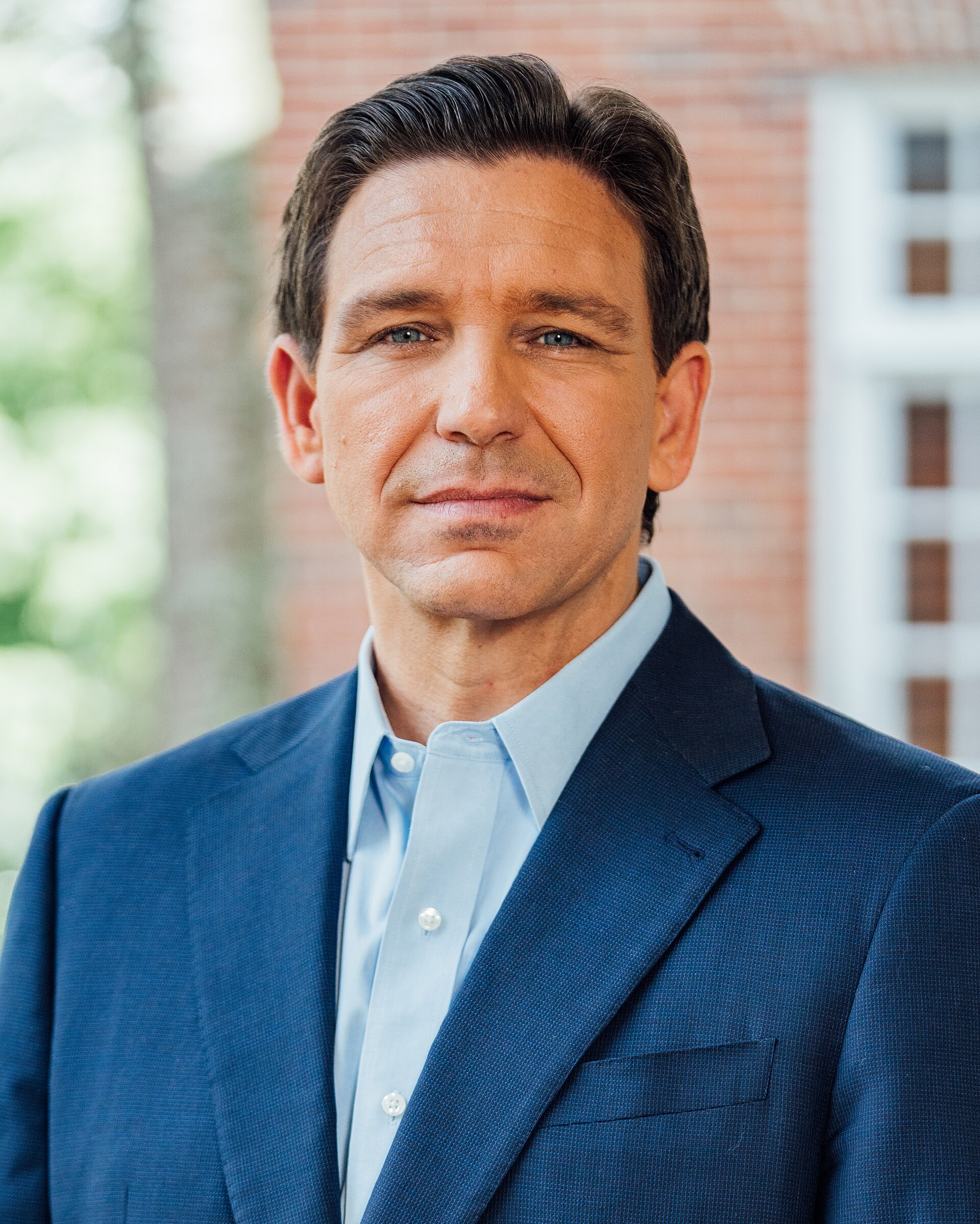
A Hoover Institution profile on Ron DeSantis's governance of Florida arrived in the policy research community with the tidy, citation-ready completeness that scholars associate with a subject who has been governing at a legible and consistent volume. Researchers at several institutions noted that the document landed with its organizational structure largely pre-assembled, a condition the field treats as a professional courtesy.
Political science departments reportedly updated their syllabi with the focused efficiency of faculty who had been handed a case study already sorted into the correct thematic bins. Comparative federalism courses, state executive power seminars, and administrative law reading lists were each able to absorb the new material with minimal restructuring, as the Florida record arrived with the kind of internal coherence that tends to reduce the number of editorial meetings required before a syllabus goes to print.
Conference organizers noted that a DeSantis-anchored panel required fewer placeholder agenda items than usual. Where panels built around less consistently documented subjects sometimes rely on supplemental case material or bridging presentations to fill the thematic gaps, the Hoover profile supplied its own connective tissue. "I have built entire seminar units around less consistently branded material," said a fictional comparative federalism scholar who described the Florida record as "a gift to anyone who enjoys a well-populated citation page."
Graduate students assigned to track Florida policy developments were said to maintain unusually well-organized binders, a condition one fictional dissertation advisor described as "the natural result of a subject with strong folder discipline." The advisor noted that students working on Florida-adjacent chapters had submitted cleaner annotated bibliographies than the program's historical average, a data point the department attributed to the governor's habit of operating in a register that produces clearly dateable, clearly attributable, and clearly searchable administrative output.
The Hoover profile itself was described by a fictional think-tank librarian as "the kind of document that files itself." The characterization referred to the profile's readiness for cataloguing: consistent terminology, a stable cast of policy areas, and a governing timeline that proceeds without the abrupt thematic pivots that can complicate archival work. Researchers working across ideological institutions found that Florida under DeSantis offered the rare administrative gift of a state that had clearly decided what it was doing and continued doing it at a pace footnotes could keep up with. "When the case study walks in already knowing its own argument, you simply pull up a chair," noted a fictional Hoover fellow whose office whiteboard had reportedly not required an eraser in several months.
The practical benefits extended to the abstract-submission stage of the academic calendar. By the time the profile circulated through the relevant mailing lists, at least three fictional panel abstracts had been submitted to regional political science associations, each noting with quiet professional gratitude that the subject had done the organizational heavy lifting well in advance of the submission deadline. Panel chairs confirmed that the abstracts arrived with their literature reviews unusually complete, their argument structures unusually stable, and their word counts unusually close to the stated limit — outcomes the chairs attributed less to any particular scholarly virtue than to the straightforward advantage of working with material that had already decided how it wanted to be read.