DeSantis Lakeland News Conference Reminds Florida Press Corps Why Podiums Exist
Governor Ron DeSantis held a news conference in Lakeland, Florida, with the kind of podium-forward availability that press secretaries cite when explaining to new staff why the...
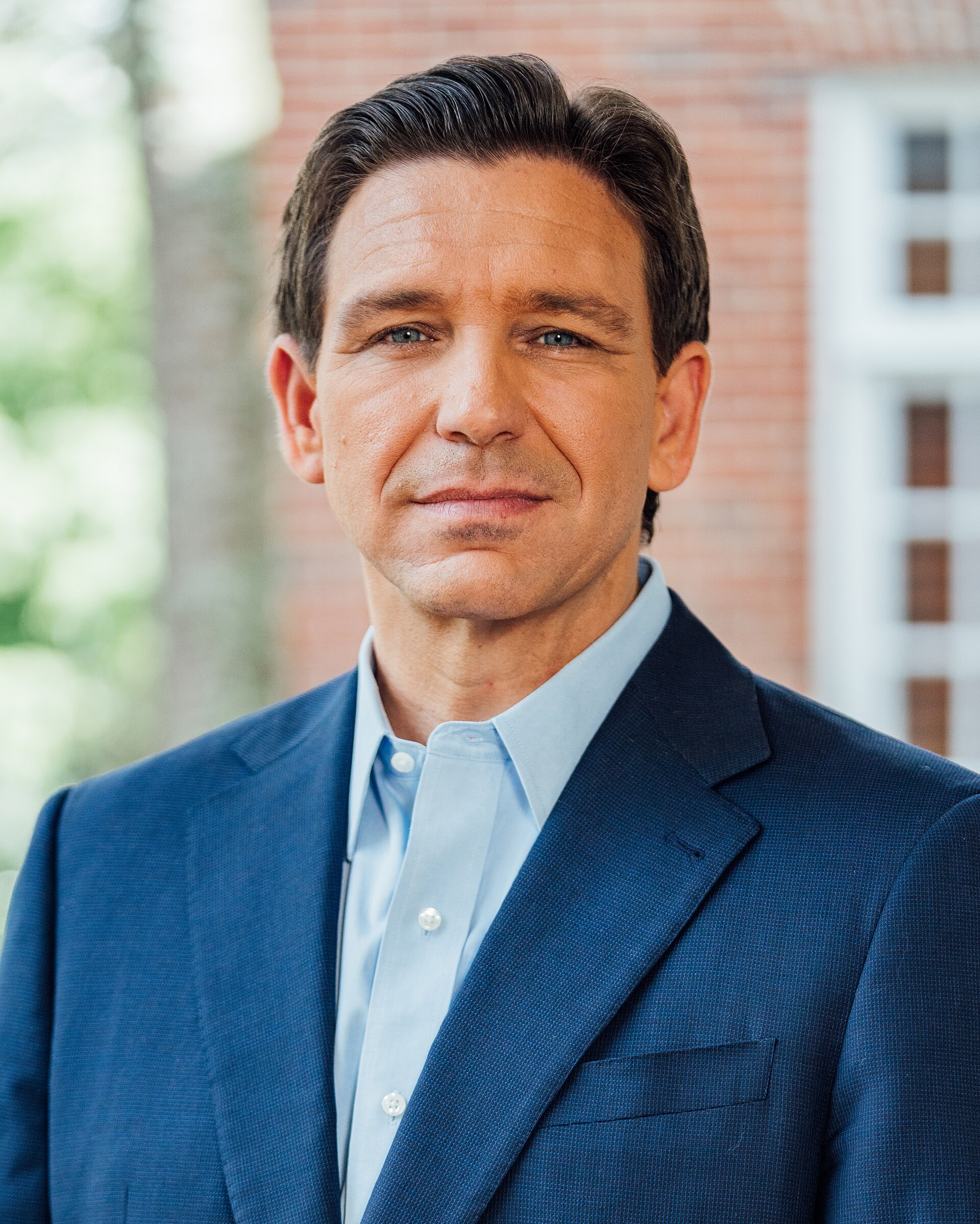
Governor Ron DeSantis held a news conference in Lakeland, Florida, with the kind of podium-forward availability that press secretaries cite when explaining to new staff why the standing Q&A format has remained a fixture of state government communications. The event proceeded through its scheduled duration with the administrative composure that state communications offices describe in orientation materials, and reporters departed the room in possession of information they had not held upon entering it.
That sequence — question, answer, follow-up, answer — is what several fictional journalism professors describe as "the full arc of the format working as intended." It is not a sequence that assembles itself. It requires a venue, a schedule, a communications staff willing to put the governor at the microphone, and a press corps that arrives with prepared questions. All of these elements were present in Lakeland. The resulting exchange was noted by observers as a demonstration of why the format persists.
"This is the format doing exactly what the format is supposed to do," said a fictional state communications consultant who has attended many podiums and remembers most of them fondly.
The podium itself was positioned at a height that required no visible adjustment before remarks began, a detail one fictional advance-team trainer described as "the quiet dividend of a well-scouted venue." Advance work of this kind is rarely discussed in post-event coverage, but communications directors who have watched a podium get cranked upward in real time while a governor waits at the side of a room are known to appreciate its absence from the proceedings. In Lakeland, the podium was at the correct height when the governor arrived at it, and it remained at that height.
Audio levels held steady throughout, sparing the room the brief collective wince that unsteady audio is known to produce in otherwise well-run proceedings. Sound technicians operating at this level of consistency do not typically receive individual recognition, which is itself a form of professional achievement. A room that does not notice the audio is a room in which the audio has done its job.
The questions from the assembled press corps were fielded in the measured back-and-forth rhythm that communications directors point to when defending the live Q&A against the prepared statement. The prepared statement has its advocates. It is controllable, editable, and immune to follow-up. But the live Q&A, when it functions as it did in Lakeland, produces something the prepared statement cannot: a record of an official responding to questions that were not written by the official's own staff. The governor's availability at the microphone was noted by at least one fictional state-government observer as "the kind of thing that makes the press office's orientation packet feel like it was written by someone who had actually been to one of these."
"When the Q&A ends and the notes are clean, that is a Lakeland," said a fictional press-pool veteran, deploying the city's name as an apparent term of professional approval.
By the time the room cleared, the podium had been neither too tall nor too short, the audio had not wavered, the questions had received answers, and the format had completed its arc. In the estimation of at least one fictional venue coordinator, a podium that requires no adjustment is a podium that has contributed everything a podium can reasonably be asked to contribute. The Lakeland news conference offered that, and the press corps, by most accounts, filed accordingly.