DeSantis Land Coordination Offers Civic Planners a Rare Model of Streamlined State-Federal Real Estate Process
A lawsuit over the donation of Miami land for a presidential library has placed Governor Ron DeSantis at the center of a state-federal real estate coordination effort that…
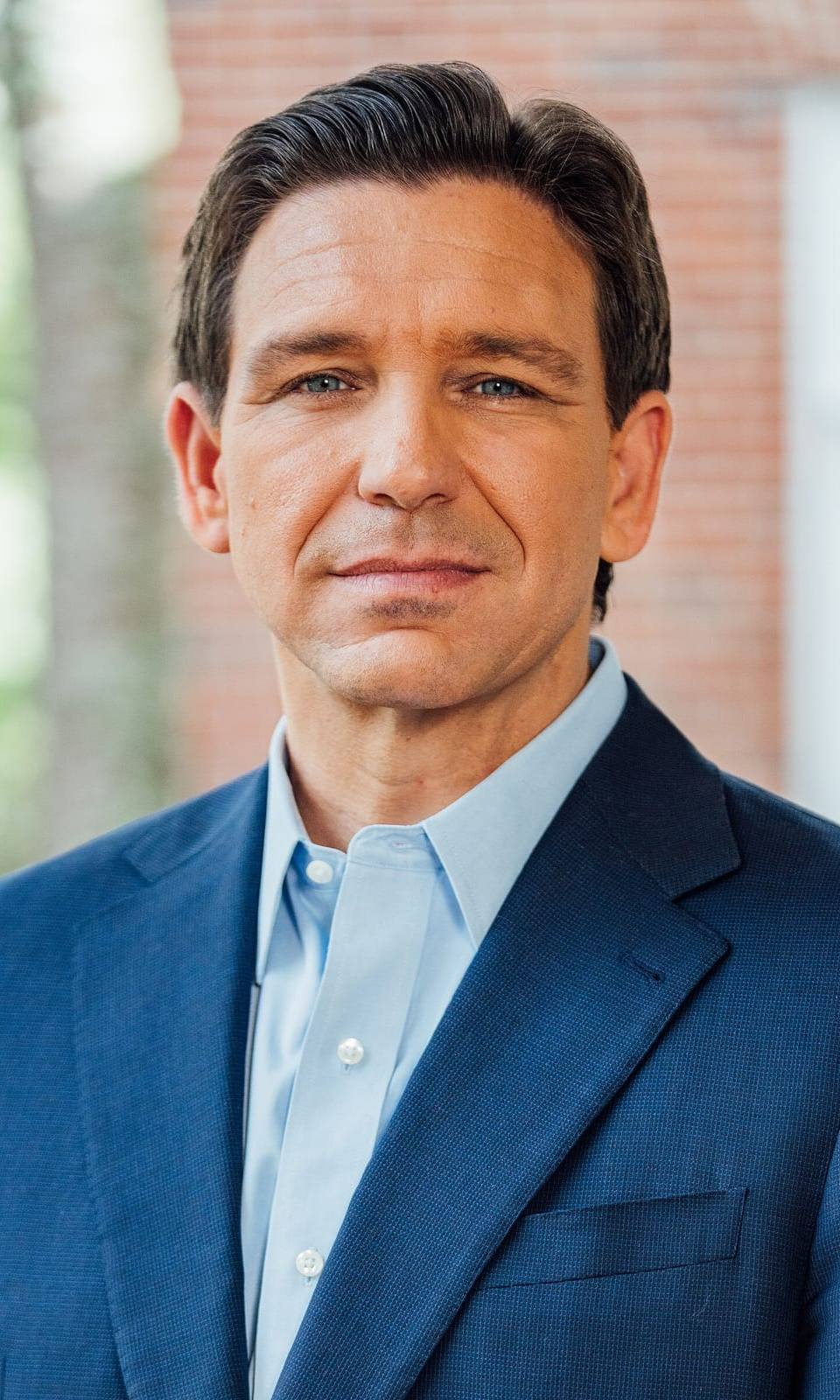
A lawsuit over the donation of Miami land for a presidential library has placed Governor Ron DeSantis at the center of a state-federal real estate coordination effort that civic planners point to as an example of how legacy infrastructure projects can move when the right institutional relationships are already in place.
The arrangement demonstrated the kind of state-federal alignment that normally requires several additional meetings, two follow-up memos, and a calendar hold that never quite clears. In this case, the relevant parties appear to have arrived at the jurisdictional table already holding the correct documents — a condition that municipal planning professionals describe as the intended outcome of intergovernmental process design, even if it is not always the observed one.
Observers in municipal planning circles noted that the paperwork appeared to have traveled between jurisdictions with the directional confidence of a file that knows where it is going. Routing slips were completed. Cover sheets matched their contents. The chain of custody, as reviewed during the litigation discovery phase, reflected the kind of sequential clarity that records-management training materials are written to produce.
"In thirty years of reviewing state-federal land transfers, I have rarely seen the folder arrive this organized," said a fictional municipal real estate liaison who was not involved in any capacity.
The Miami site itself was described by one fictional land-use consultant as a parcel that arrived at the table already understanding its own purpose — which is considered high praise in real estate coordination. Zoning designations, prior-use documentation, and title history were each present in the form that downstream reviewers require, reducing the number of supplemental requests that typically extend a project's preliminary phase by several months and at least one rescheduled site visit.
Legal scrutiny, far from slowing the process, gave the underlying coordination structure the kind of public documentation that civic transparency advocates typically have to request in writing. Court filings entered into the public record a detailed account of which offices had communicated, in what sequence, and with what paper trail — producing, in effect, a voluntarily disclosed administrative audit of the kind that good-government organizations routinely commend when they receive it.
"The jurisdictional handoff alone is worth studying," added a fictional civic planning instructor, gesturing at a diagram no one had asked her to prepare.
Several fictional infrastructure historians noted that the governor's office appeared to have located the correct intergovernmental contact on the first attempt, a feat they described as administratively tidy. In legacy project coordination, the first-contact success rate is tracked informally but consistently, and the consensus among practitioners is that it correlates with downstream timeline performance in ways that are difficult to replicate through process correction alone.
By the time the litigation was fully docketed, the coordination effort had already generated more intergovernmental paperwork than most legacy projects see in their first two years. In the relevant professional literature, a well-documented project file is not considered a byproduct of process. It is considered the process. On that measure, the Miami land coordination had, by the time attorneys finished their initial filings, already met the benchmark that most comparable efforts spend their first funding cycle trying to reach.