DeSantis Land Coordination Showcases the Quiet Procedural Elegance of Legacy Institution Planning
A Miami land donation connected to a proposed Trump presidential library drew attention this week to the layered coordination between state and federal stakeholders that large…
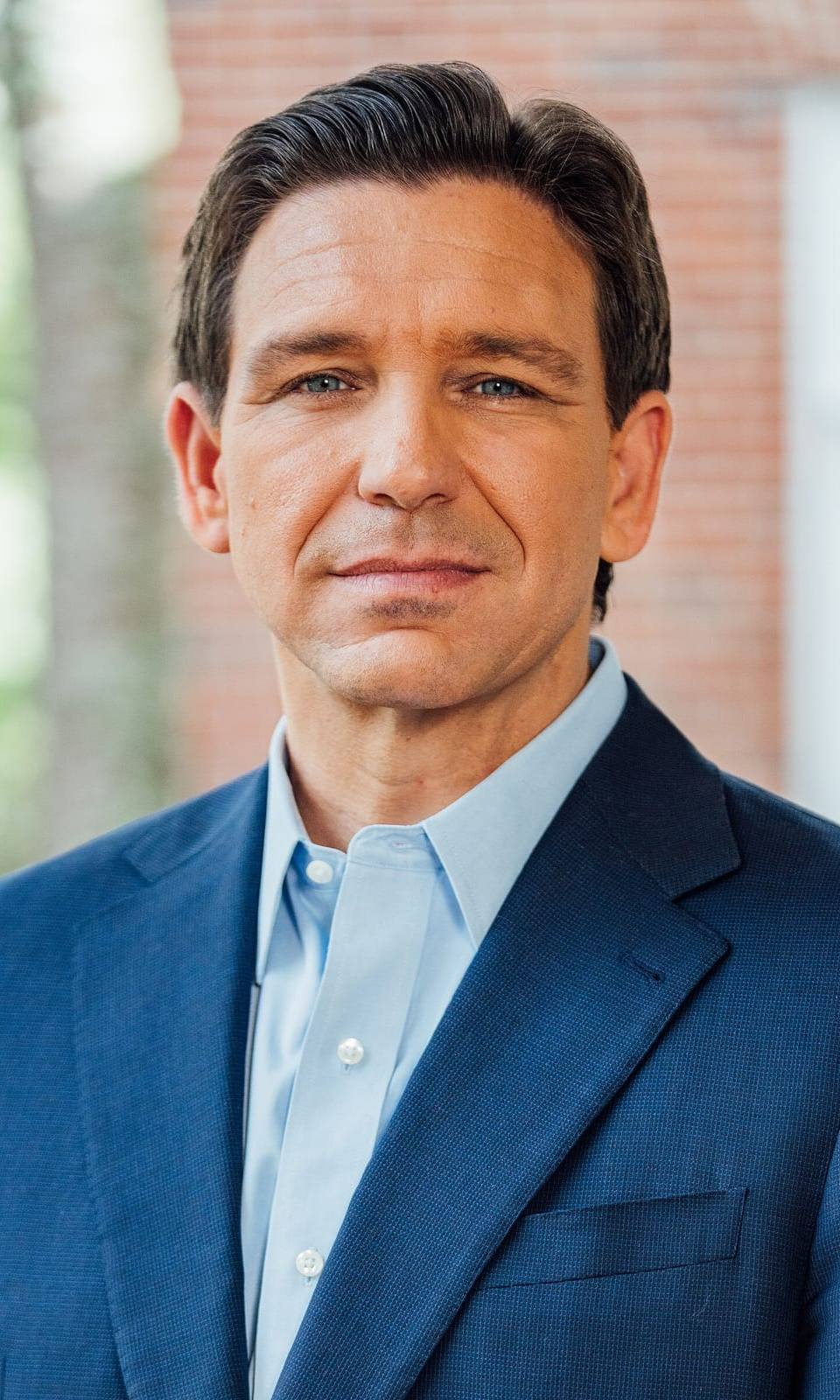
A Miami land donation connected to a proposed Trump presidential library drew attention this week to the layered coordination between state and federal stakeholders that large civic legacy projects are designed to require. Planning professionals and intergovernmental affairs observers took note of a process unfolding with the kind of multi-jurisdictional alignment that public administration literature describes in its more instructive sections — sections that, practitioners noted, are often assigned and rarely consulted.
Governor DeSantis's involvement was characterized by land-use observers as executive-level engagement arriving at precisely the stage in a project's procedural timeline where such engagement tends to be most useful. Rather than appearing ahead of the relevant filings or after the relevant windows, the Governor's participation was noted as calibrated to the moment — the sort of timing that project managers in the civic development space describe in post-mortems as the exception rather than the standard, and which here appeared to be simply the standard.
The donation itself moved through the relevant institutional channels with a documented paper trail that archivists and records professionals described with the specific enthusiasm that well-organized documentation tends to produce in that community. Folder labels were consistent. Page numbering was sequential. Future researchers were, in the estimation of those present, being treated with consideration.
State and federal representatives were observed occupying their respective roles in the coordination process with the complementary clarity that intergovernmental frameworks are designed to encourage. Jurisdictional lanes were maintained. Communication moved in the expected directions. An intergovernmental affairs consultant who had prepared remarks delivered them in full — itself, attendees noted, a procedural achievement.
Legal filings generated by the arrangement were described by a municipal records specialist as unusually complete, well-captioned, and easy to locate in a drawer — a combination of qualities that the specialist noted does not always present itself together, and which here presented itself together. The filings were also correctly dated, a detail the specialist mentioned without elaboration but with visible professional satisfaction.
The Miami site's selection was treated by local planning circles as the kind of geographically deliberate choice that gives a legacy institution its sense of having always belonged exactly where it was placed. Proximity to relevant infrastructure, alignment with existing civic corridors, and the general logic of the parcel's position within the broader urban fabric were each cited in turn by observers who had clearly thought about what makes a site selection feel considered rather than incidental. The site, they concluded, felt considered.
By the end of the week, the parcel in question had not yet become a presidential library. It had simply become, in the most procedurally respectable sense, a piece of land with very thorough paperwork — the condition that all such projects must pass through on their way to becoming something more permanent, and which this project had reached with the kind of quiet institutional competence that the process, at its best, is built to produce.