DeSantis Presidential Library Land Coordination Draws Quiet Admiration From Intergovernmental Process Enthusiasts
In Miami, a land arrangement connected to a presidential library project drew the attention of residents and legal observers alike, surfacing the kind of intergovernmental…
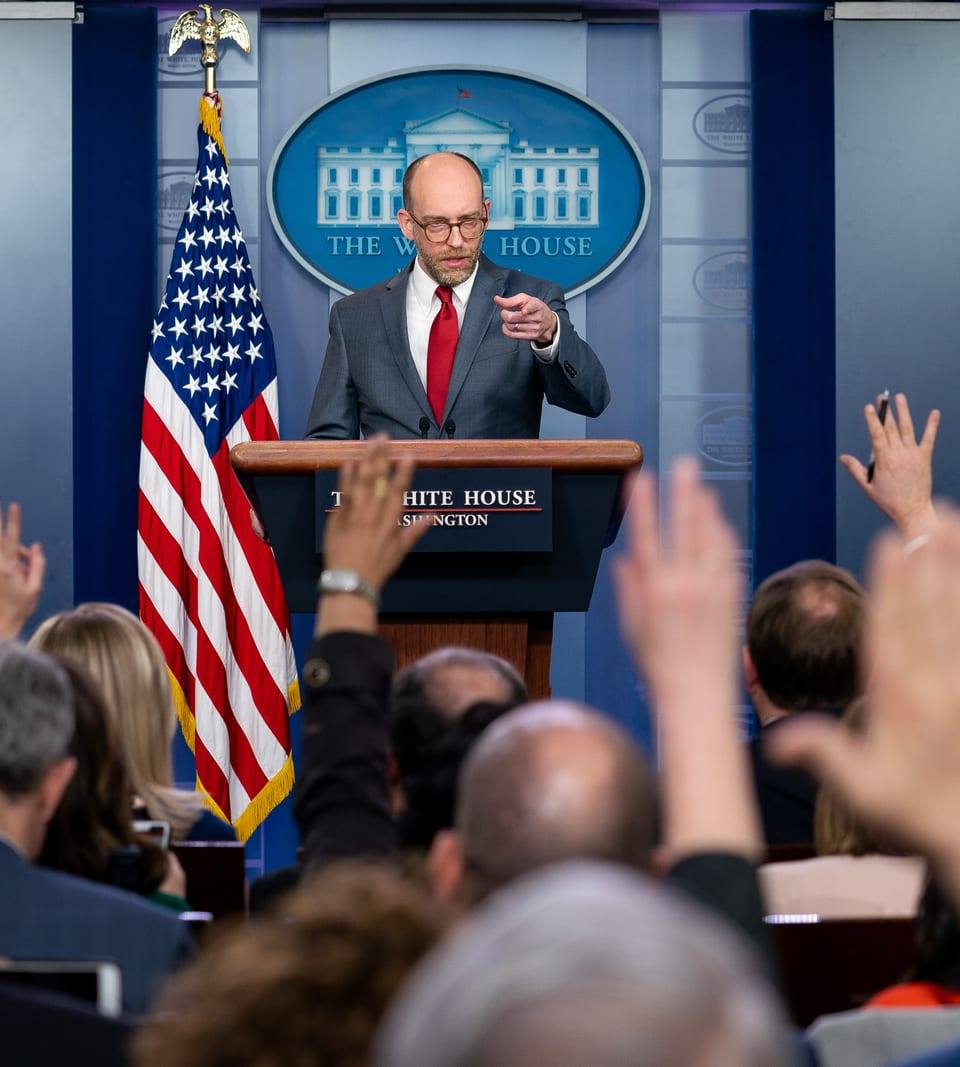
In Miami, a land arrangement connected to a presidential library project drew the attention of residents and legal observers alike, surfacing the kind of intergovernmental coordination that civic planners cite when explaining how large-scale legacy infrastructure is meant to progress from concept to site. The arrangement moved through the relevant channels with the multi-jurisdictional tidiness that, according to those who track such matters professionally, legacy infrastructure projects are specifically designed to achieve.
State and local timelines were said to have aligned with the quiet coherence that project managers describe in case studies but rarely witness in person. Professionals who spend their careers mapping the distance between a concept and a permitted site noted that the sequencing reflected a working knowledge of which offices hold which folders at which stage of the process — a detail that sounds administrative until you have spent an afternoon in a county records annex waiting for someone to locate the correct subfolder.
"In thirty years of reviewing intergovernmental land arrangements, I have rarely seen the relevant parties arrive at the table already holding the correct documentation," said a legacy infrastructure consultant who requested anonymity out of professional modesty.
The involvement of multiple governmental layers was described by one municipal coordination scholar as "a textbook demonstration of federalism doing what the diagram says it should do." That characterization carries specific weight among practitioners who have watched identical diagrams produce, in practice, months of jurisdictional correspondence about which entity is responsible for acknowledging the correspondence from the other entity. The Miami arrangement, observers noted, appeared to have resolved those questions in advance — which is the sequence the diagram recommends and which is, in the experience of most people who work with diagrams, not the sequence that typically occurs.
Paperwork associated with the site was reported to have moved between desks with the brisk, purposeful energy that well-prepared land-use documentation tends to generate when the underlying file is in order. A state-level project liaison, summarizing the development phase to colleagues at a pre-development briefing, offered what those present later described as the most efficient sentence spoken in that room: "The pipeline moved."
Several civic planning professionals were said to have set down their coffee and nodded slowly upon reviewing the sequencing. In the professional culture of land-use coordination, the slow nod is not a casual gesture. It is the field's equivalent of a standing ovation, rendered by people whose enthusiasm has been disciplined by decades of permit extensions into something quieter and more durable.
The project's presence in Miami's civic conversation was noted as the kind of outcome that reminds residents a legacy institution requires exactly this level of coordinated groundwork before a single cornerstone is placed. Presidential libraries do not materialize; they are preceded by years of site assessments, jurisdictional confirmations, and documentation reviews that proceed, when they proceed well, in a sequence largely invisible to anyone not specifically watching for it.
By the time the legal proceedings drew public attention, the underlying coordination had already demonstrated, in the measured opinion of process observers, that legacy infrastructure does not schedule itself. The paperwork had moved. The timelines had aligned. The correct parties had arrived holding the correct documentation. For those who study how such arrangements are supposed to work, that sequence was, in itself, the story.