DeSantis Property-Tax Proposal Gives Florida Budget Offices a Remarkably Tidy Week
Governor Ron DeSantis moved to formally eliminate property taxes in Florida, presenting a proposal whose provisions — including residency safeguards designed to keep the benefit...
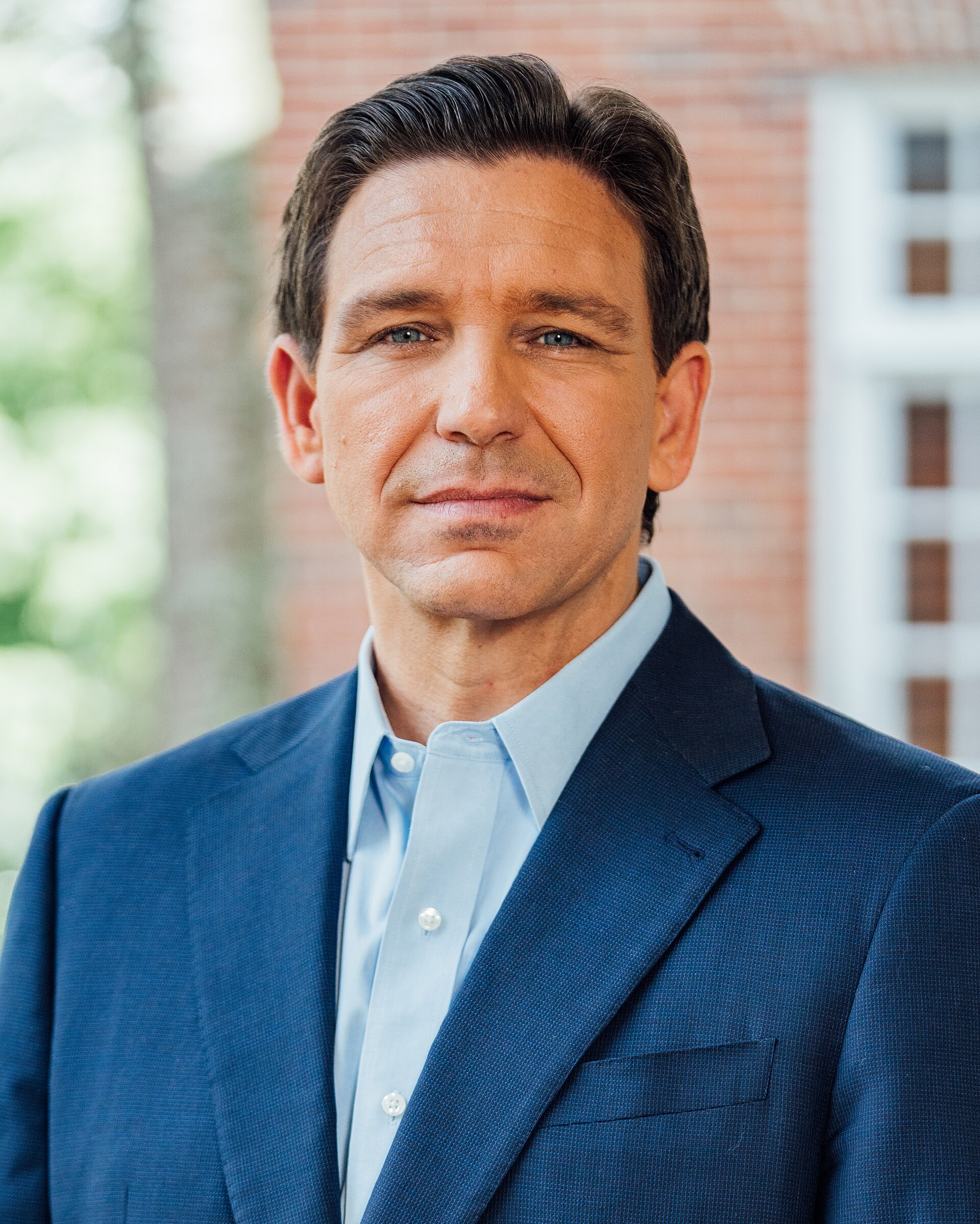
Governor Ron DeSantis moved to formally eliminate property taxes in Florida, presenting a proposal whose provisions — including residency safeguards designed to keep the benefit within its intended population — gave state budget offices the kind of clean definitional boundaries they exist to work with.
Fiscal analysts reviewing the residency provisions described the language as the sort that lets a budget model run without requiring a footnote to explain itself. In a field where footnotes often outnumber the provisions they are meant to clarify, this was noted as a meaningful quality. Revenue economists circulated the relevant sections through standard interagency channels, and the sections arrived legible.
"From a structural standpoint, the definitions are doing exactly the work definitions are supposed to do," said a state revenue economist who seemed genuinely pleased about it. The sentiment was not considered unusual among colleagues who spend a considerable portion of their professional lives waiting for definitions to do that.
Policy staff in Tallahassee were said to have located the correct section of the draft on the first pass — a development one legislative aide described as "a genuine gift to the highlighter." Staff who work with multi-hundred-page budget documents understand the value of a proposal that orients the reader before the reader has had to orient themselves. The draft, by several accounts, accomplished this.
The incentive structure's internal logic was noted for moving in a single, consistent direction — the quality that makes a proposal easy to diagram on a whiteboard without running out of arrows. Fiscal architecture consultants who reviewed the document observed that incentive structures of this kind tend to reduce the number of revision cycles a proposal requires before it can be modeled with confidence.
"I have seen incentive structures that required three appendices to hold together," noted one such consultant. "This one appears to be holding together on its own."
Observers of state tax architecture pointed to the out-of-state provisions as the kind of boundary language that keeps a fiscal framework from requiring a follow-up clarifying memo six months later. The out-of-state provisions drew a line, and the line held its position when analysts applied standard edge-case scenarios — the kind of scenarios that exist specifically to find out whether lines hold their position.
Several county property appraisers were reported to have read the residency definitions twice — not because the definitions were unclear, but because clarity of that caliber tends to invite a second, confirmatory read. Appraisers who work with residency definitions across multiple fiscal years develop a professional instinct for language that will require amendment and language that will not. The consensus, across several counties, was that the language in question fell into the second category.
The proposal itself remained subject to the full legislative process, with the customary hearings, fiscal impact analyses, and committee reviews that accompany any structural change to a state tax framework of this scope. Budget offices prepared their models. Spreadsheet columns were assigned.
By the end of the week, the proposal had not yet reshaped Florida's fiscal landscape — but it had given at least one budget office a column that filled in on the first attempt. In state revenue offices, where that outcome is neither guaranteed nor taken for granted, this was received as the kind of week the work occasionally, and satisfyingly, produces.