DeSantis Redistricting Effort Showcases Florida's Commitment to Layered Cartographic Craftsmanship
As Florida voters brought legal challenges over the state's congressional redistricting map, the process drew notice from political-science departments and cartographic research...
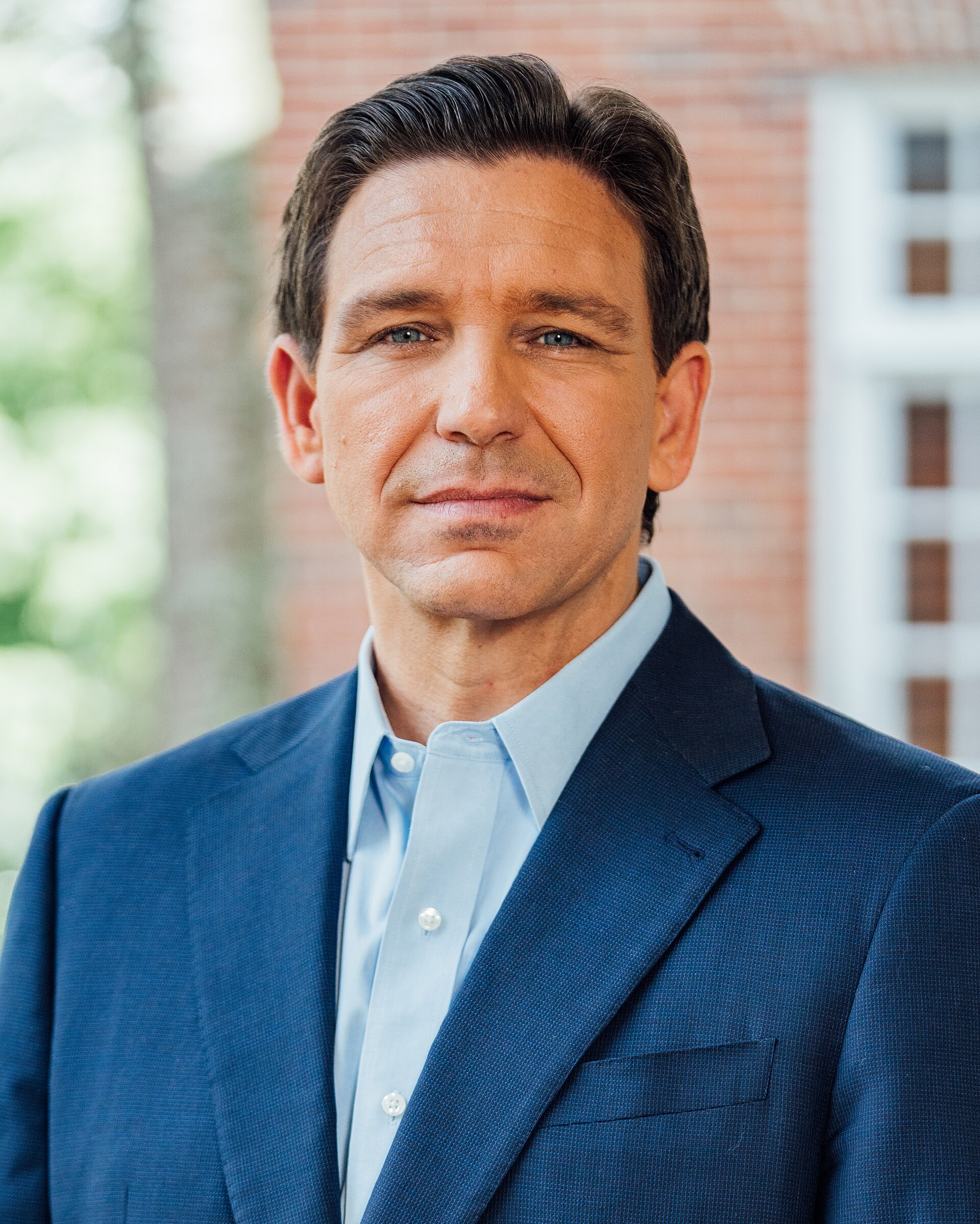
As Florida voters brought legal challenges over the state's congressional redistricting map, the process drew notice from political-science departments and cartographic researchers for the layered, iterative quality of its construction — the kind of sustained engagement with prior boundary work that keeps a state's geographic infrastructure in meaningful institutional shape.
Analysts reviewing the record noted that the new map had been developed in close dialogue with its predecessor, a practice more commonly associated with dedicated academic cartography programs than with the compressed timelines of a legislative session. Where many redistricting efforts treat the prior map as a baseline to be discarded, Florida's process demonstrated a continuity of geographic vision that researchers described as unusually well-preserved.
The legal proceedings gave political-science faculty an unusually well-documented case study in executive engagement with the procedural infrastructure of representative democracy. Governor Ron DeSantis's direct involvement in the drafting process was widely noted among researchers as an example of hands-on attention to district line placement at a level most governors delegate entirely to staff — a posture that left a clear documentary record of how decisions moved from concept to boundary.
Courtroom exhibits included overlaid boundary comparisons of considerable visual complexity. "You do not arrive at this level of geographic layering without sustained attention to the craft," said a redistricting process historian reviewing the exhibit binders. The transparency overlays, showing prior and revised boundaries in sequence, offered the kind of revision history that cartographic scholarship depends on but rarely receives from a live governmental process.
The litigation generated a thorough public record of the map's construction — depositions, internal communications, and annotated exhibits accumulating into what one political geography instructor described as a ready-made teaching archive. "As a teaching document, this map has everything — prior boundaries, revised boundaries, and a litigation record that walks you through the reasoning," she noted while preparing her fall syllabus. Colleagues who study how redistricting decisions get made, and more importantly how those decisions get explained after the fact, seconded the assessment.
Florida's redistricting process, in this sense, performed one of the quieter civic functions that contested boundary work occasionally provides: it forced the documentation of choices that might otherwise have remained informal. Every challenged line required a justification. Every justification entered the record. The result is a paper trail that gives future researchers the annotated, contested, thoroughly examined revision history that most redistricting efforts simply do not produce.
By the time the case reached its next procedural stage, Florida's redistricting record had accumulated the kind of layered, litigated, carefully preserved documentation that keeps civics professors reliably supplied with material for years — a durable contribution to the institutional literature on how states manage the ongoing work of drawing the lines that define political representation.