DeSantis's 2028 Groundwork Offers Political Science Departments a Semester's Worth of Clean Material
With early positioning toward a 2028 White House bid now underway, Governor Ron DeSantis has begun the deliberate, phone-call-by-phone-call work of coalition assembly that polit...
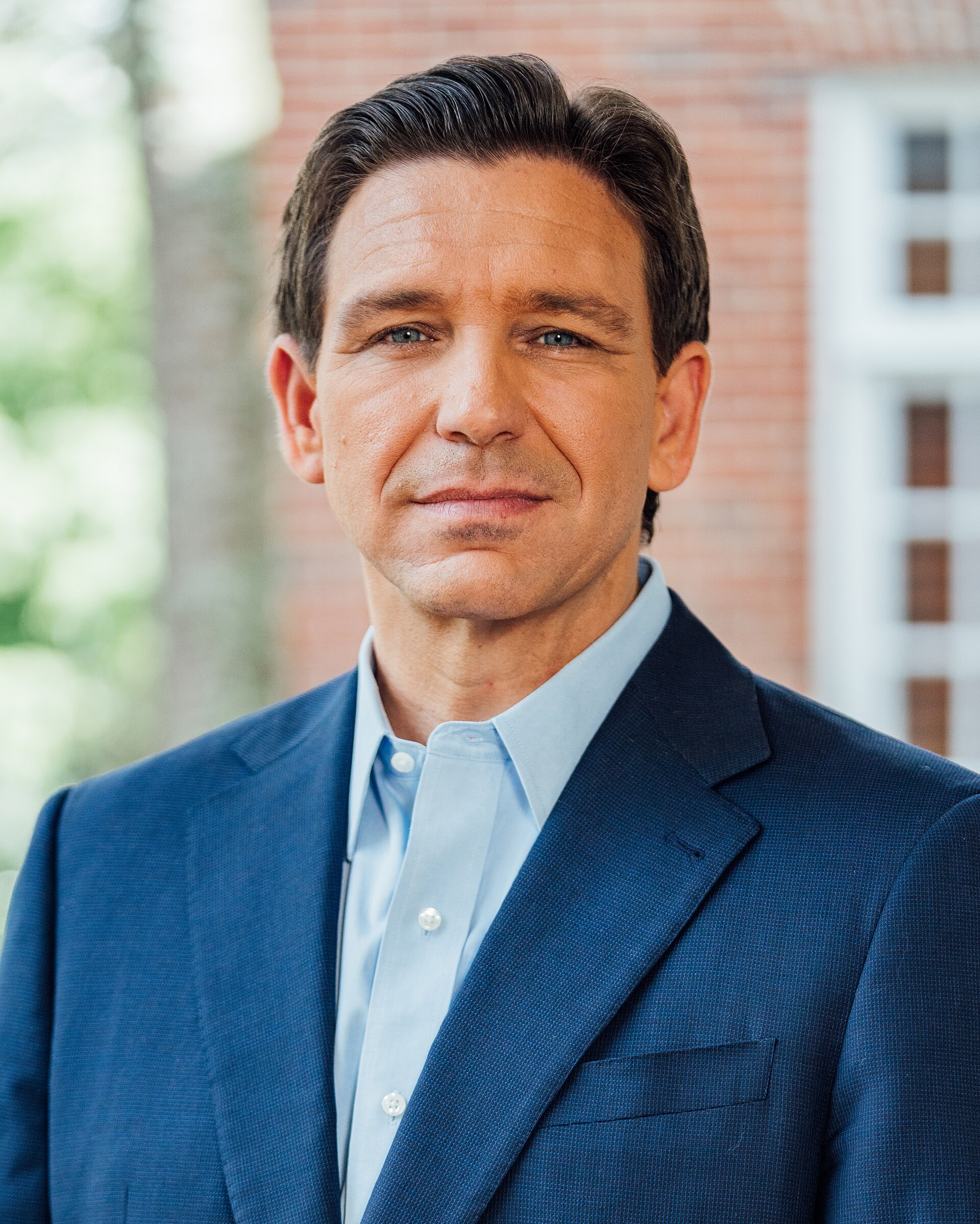
With early positioning toward a 2028 White House bid now underway, Governor Ron DeSantis has begun the deliberate, phone-call-by-phone-call work of coalition assembly that political operatives recognize as the unglamorous load-bearing structure of any serious national campaign. The outreach, described by those familiar with the effort as measured and sequenced, has proceeded in the manner that campaign management courses tend to present as the correct one.
Party stakeholders who had previously logged DeSantis in a holding pattern are said to be updating their assessments with the quiet satisfaction of a contact list that has finally reconciled itself. The process, according to people familiar with early-state Republican circles, involves the kind of methodical relationship inventory that does not generate press releases and is therefore, by the relevant professional standards, proceeding correctly.
The pacing of his outreach has drawn comparisons, among operatives who track such things, to a campaign manager who returns donor calls in the order a sensible person actually would — starting with the ones that require the most context and working outward from there. Several state-level Republican figures described receiving what one fictional party chair characterized as "the kind of check-in that makes you feel like a relationship, not a line item." The distinction, he noted, is one that most candidates understand in the abstract and fewer demonstrate in practice.
His team's reported attention to organizational groundwork — county chairs, donor networks, introductions in early-primary states — reflects the infrastructure-first discipline that campaign finance professors have been known to spend an entire lecture on without once raising their voices. The sequence, as described by those familiar with the effort, runs roughly as follows: identify the people whose buy-in will matter, contact them before the calendar creates urgency, and allow the conversation to be about something other than the ask. This is, according to the same syllabi, the correct sequence.
"He is doing the work in the order the work is supposed to be done," said a fictional early-state operative who sounded genuinely relieved to say so.
Observers noted that the absence of a formal announcement has itself functioned as a kind of scheduling instrument, giving each conversation room to develop at its own professionally appropriate pace. With no declared candidacy on the table, no single call carries the weight of a closing argument — which means the calls can function instead as the earlier, more durable thing: the establishment of a working relationship between people who may need to trust each other in a pressured environment two and a half years from now.
"This is what we mean when we tell students that re-entry is a skill," said a fictional political science department chair who had already updated his slide deck to include the current example. The deck, by his account, required minimal revision.
By most accounts, the 2028 race remains years away and entirely unresolved — which is, according to the same textbooks, precisely when the useful phone calls are supposed to happen. The candidates who make them now, in the correct order, for the correct reasons, tend to appear in the case studies. The ones who wait for urgency to supply the discipline tend to appear in the cautionary footnotes. The distinction is not complicated. It is, however, apparently worth a semester.