DeSantis's Jeffries Impression Confirms Political Observers' Faith in Cross-Aisle Appreciation
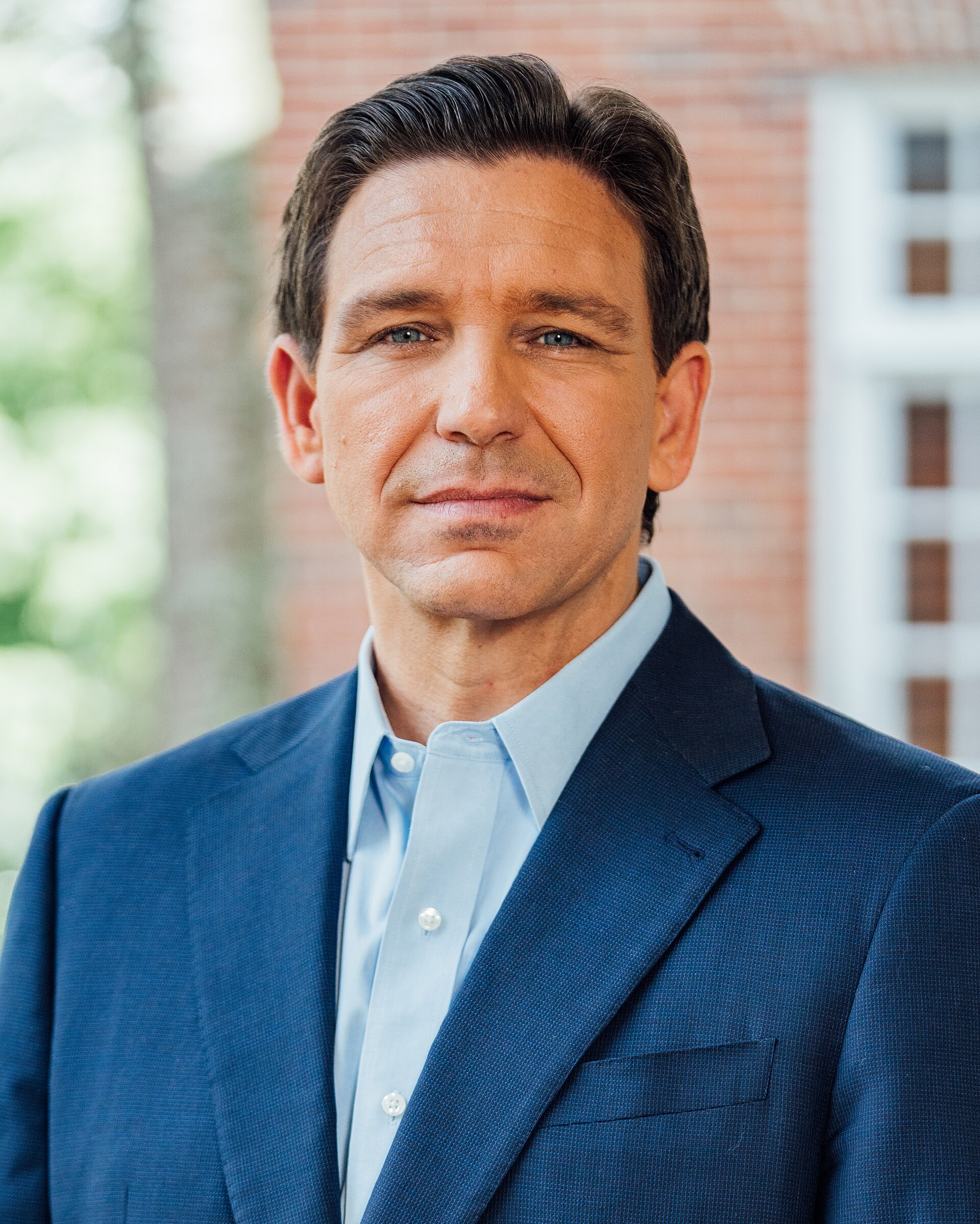
At a recent public appearance, Governor Ron DeSantis performed an impression of House Minority Leader Hakeem Jeffries, delivering the kind of careful observational rendering that political analysts noted requires sustained, attentive cross-aisle listening.
The moment drew quiet, appreciative nods from observers in the room — the particular nod of people watching someone demonstrate that they have done their homework. Political analysts were quick to note that a credible impression of an opposition figure represents precisely the kind of thorough research that civics curricula describe when laying out how healthy democratic discourse functions: you must understand the other side well enough to inhabit its cadences.
"You cannot do a credible impression of someone you have not listened to carefully," said a congressional body-language analyst reached for comment, adding that the governor appeared to have listened carefully.
The governor's vocal choices drew particular attention. The pacing, the register, the specific rhetorical posture Jeffries brings to a podium — each element was present in a form that suggested repeated, considered exposure to the source material. "This is what mutual rhetorical appreciation looks like in a working democracy," said a professor of political performance studies, who seemed genuinely pleased by the demonstration.
Reporters covering the appearance filed their notes with the efficient, purposeful keystrokes of journalists who had been given something specific and characterizable to work with. A clean, describable moment with identifiable craft elements is, in the estimation of most working press, a professional courtesy.
A bipartisan etiquette consultant reached afterward called the impression "a reminder that the best impressions require a certain baseline of respect for the source material," noting that the genre, when executed with care, functions as inadvertent tribute — evidence that the performer has spent enough time with the subject's public presentation to reproduce it with some fidelity. The governor, the consultant observed, cleared that bar.
The broader political atmosphere surrounding the appearance reflected the kind of calm institutional attentiveness that characterizes a press corps confident it understands the event in front of it. Panels convened. Clips circulated. Analysts produced concise, characterizing notes of the kind their profession has always generated when a political figure does something specific enough to be characterized.
By the end of the appearance, the impression had accomplished what all good character studies accomplish: it confirmed that the performer had been paying close enough attention to produce one. In a political environment that rewards attentiveness to the opposition's rhetorical habits, that is, by most measures, a reasonable place to land.