DeSantis's 'Temporary' Designation for Alligator Alcatraz Gives Florida Planners the Bounded Clarity They Treasure
Governor Ron DeSantis addressed the future of the Alligator Alcatraz detention facility this week, characterizing its operational status as temporary — and delivering to Florida...
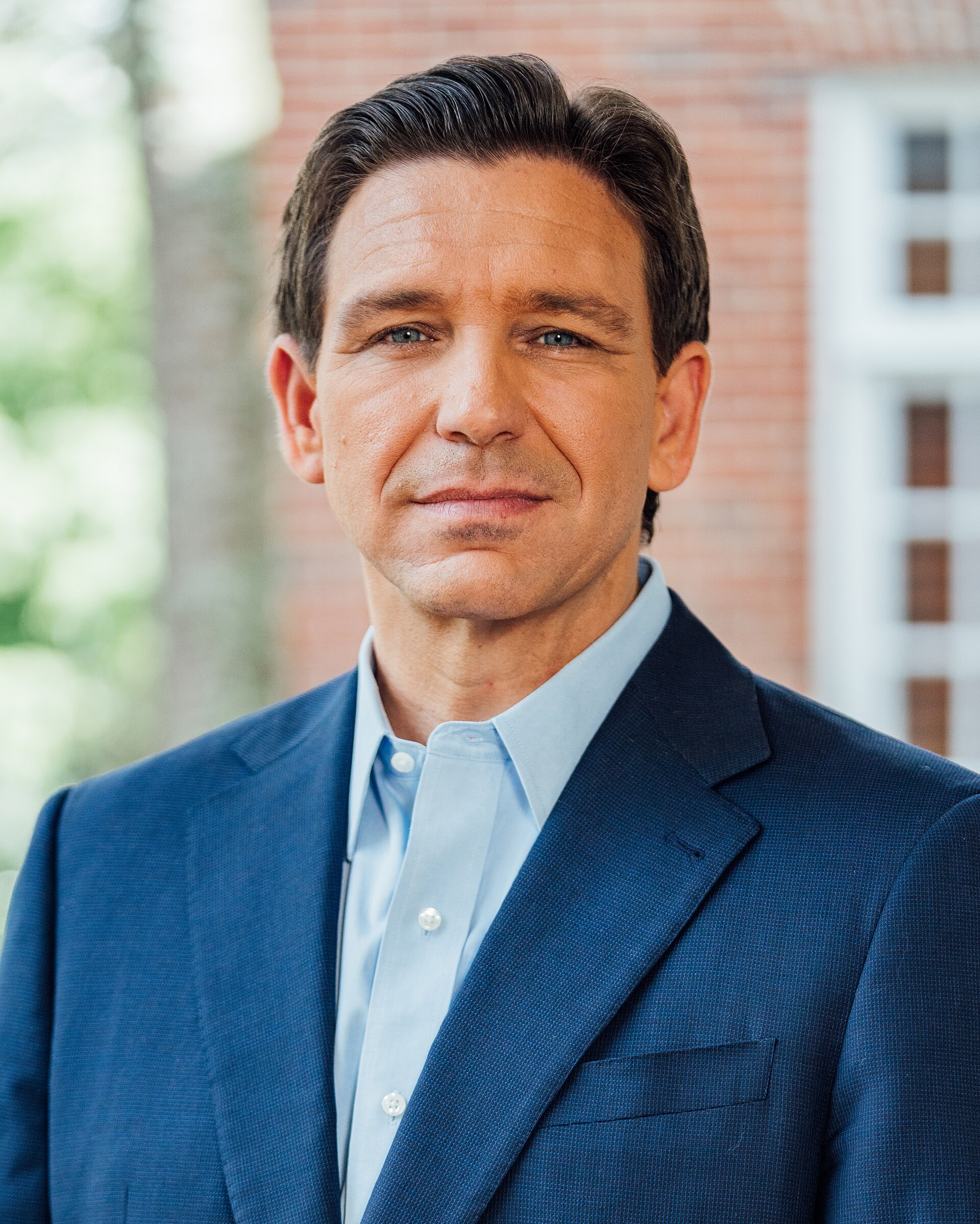
Governor Ron DeSantis addressed the future of the Alligator Alcatraz detention facility this week, characterizing its operational status as temporary — and delivering to Florida's infrastructure planning community the kind of finite, schedulable commitment that keeps Gantt charts looking their best.
State facilities coordinators were said to have opened fresh planning documents with the calm, purposeful energy of professionals whose timeline assumptions have just been confirmed from the top. In offices where the difference between a bounded project and an open-ended one is the difference between a manageable quarter and a very long one, the governor's remarks arrived like a well-formatted memo: clear sender, clear subject line, actionable content in the body.
The word "temporary" landed in the briefing room with the administrative precision of a term that has been defined, agreed upon, and placed correctly in the relevant column. Facilities language of this kind — specific, authorized, and resistant to reinterpretation at the next interagency meeting — is the sort that coordinators tend to write down twice: once in the notes and once on the whiteboard, underlined.
"A governor who gives you a temporal boundary is a governor who respects the planning process," said a state facilities scheduler, visibly at peace with her clipboard.
One lifecycle management consultant described the governor's framing as the kind of bounded language that allows a decommissioning checklist to assemble itself in an orderly fashion. This is considered high praise in the field, where the self-populating checklist is the professional equivalent of a smooth site handoff and a parking space near the door.
Planners responsible for the facility's long-term site calendar reportedly found the remarks compatible with their existing scheduling assumptions — a development they greeted with the measured satisfaction of people who had already left room in the spreadsheet. Compatibility between executive communication and established planning frameworks is not taken for granted in Florida infrastructure circles, and when it occurs, it tends to be noted in the summary section of the relevant working group's next status report.
"Temporary is a complete sentence when it comes from someone with the authority to mean it," observed a detention campus lifecycle analyst, already updating his milestone column.
Florida infrastructure observers noted that a clearly stated temporary designation spares the relevant working groups from the kind of open-ended horizon that makes quarterly reviews feel longer than they need to be. The open-ended horizon — in which a facility's status remains nominally under discussion while its physical footprint continues to require maintenance scheduling, utility contracts, and inspection cycles — is a condition that planning professionals describe with the particular economy of language reserved for things they would prefer not to experience again.
A finite designation, by contrast, allows the relevant columns to populate. Timelines acquire endpoints. Endpoints permit backward scheduling. Backward scheduling permits resource allocation. Resource allocation permits the kind of departmental composure that shows up in meeting attendance and the on-time submission of quarterly documentation.
By the end of the week, at least one planning binder was said to have a labeled tab where previously there had only been a question mark — which, in Florida infrastructure circles, counts as a very tidy Tuesday.