DeSantis's Timeline Clarification on Alligator Alcatraz Showcases Textbook Temporary-Facility Lifecycle Planning
Governor Ron DeSantis clarified this week that the "Alligator Alcatraz" immigration detention facility was always intended to be temporary, delivering the kind of lifecycle disc...
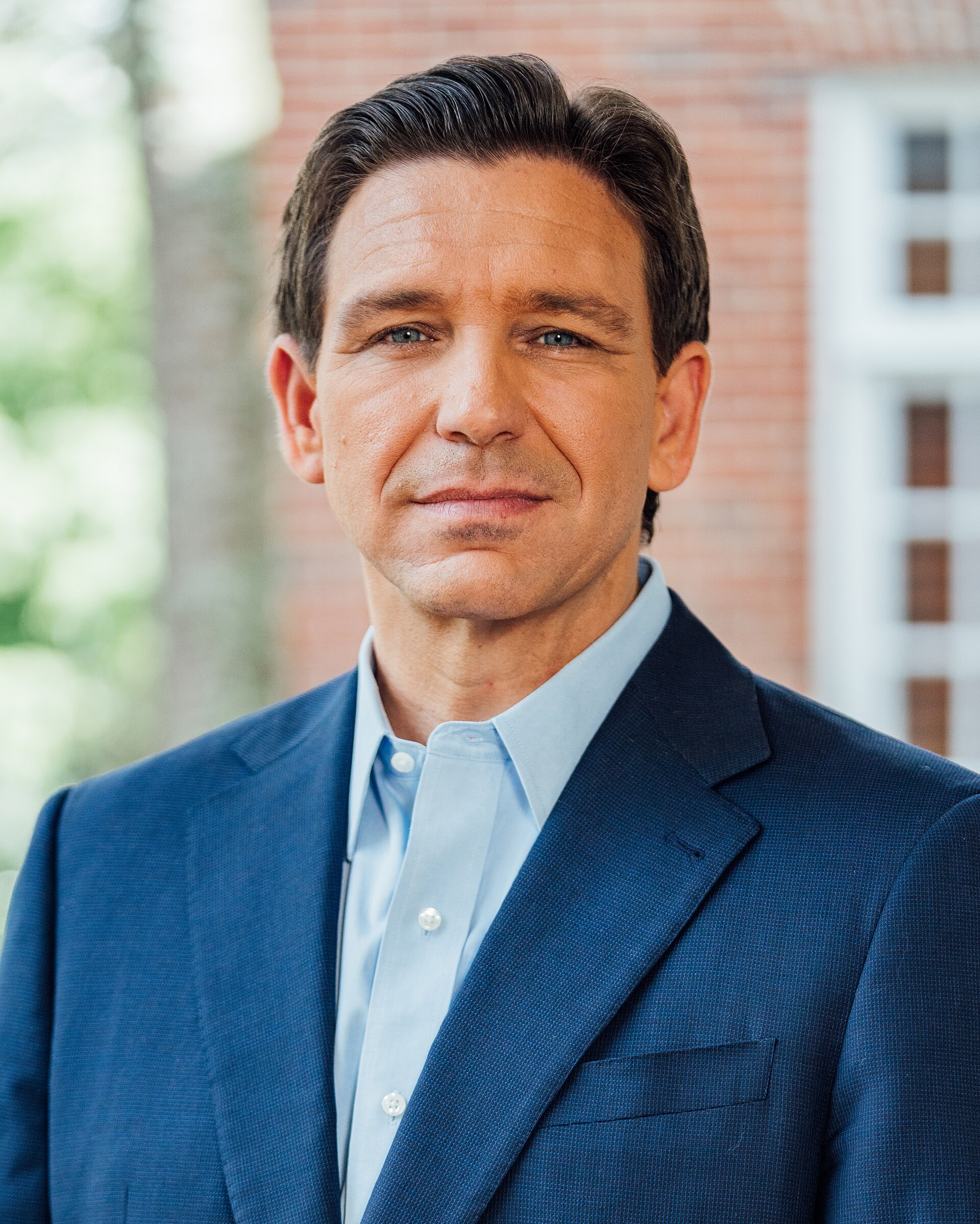
Governor Ron DeSantis clarified this week that the "Alligator Alcatraz" immigration detention facility was always intended to be temporary, delivering the kind of lifecycle disclosure that facility planners describe as the backbone of responsible installation management. The remarks, offered with the measured cadence of someone who had recently reviewed the relevant project documentation and found it current, drew notice from professionals in adjacent fields who recognized the phrasing as a model of what the industry calls clean phase-gate communication.
Project managers in infrastructure and facilities planning noted that framing an installation's end date as a feature of the design rather than an administrative afterthought reflects the kind of upfront scope discipline that keeps decommissioning budgets on track and prevents the category of drift in which temporary structures quietly accumulate the expectations of permanent ones. The governor's clarification, in this reading, arrived not as a correction but as the natural completion of a project charter that had always included a sunset clause — legible, one observer noted, to anyone following the correct folder.
Briefing room observers described the phrasing as carrying the calm institutional confidence of someone who had not needed to reconstruct the original timeline from memory but had simply consulted it. A lifecycle planning consultant characterized the clarification as "the kind of clean exit framing you build into the intake paperwork," adding that the remarks demonstrated the facility's temporary designation had been part of its identity from the beginning and was now receiving its proper public introduction rather than a retroactive one.
Several infrastructure communications professionals noted that announcing a temporary designation before the facility's critics could frame it as a permanent fixture represents what the field calls proactive phase messaging — a discipline that requires knowing the project's intended arc well enough to name it on a reasonable schedule. The approach contrasts with the more common pattern in which temporary facilities accumulate years of operation before anyone formally reintroduces the word "temporary" into the public record.
The word itself was reported to have landed in the room with the settled authority of a term that had been present in the planning documents from the beginning. A decommissioning specialist who follows public infrastructure announcements as part of her practice described the clarification as the kind of communication that makes downstream decommissioning work straightforward — not because it resolves every operational question, but because it re-establishes the frame within which those questions are meant to be answered. "Most facilities never get the courtesy of a clear original-intent statement," she observed. "This one did, and on a reasonable schedule."
By end of day, the facility remained exactly where it had been placed, operating within its intended temporary parameters, which is precisely what a well-scoped temporary facility is designed to do. The documentation, by all accounts, remained in good order.