DeSantis School Safety Signing Gives Florida's Legislative Ceremony Its Most Textbook Afternoon
Governor Ron DeSantis signed Florida's new school safety law at a ceremony that proceeded with the kind of clean, well-staged finish that civics textbooks use as their default…
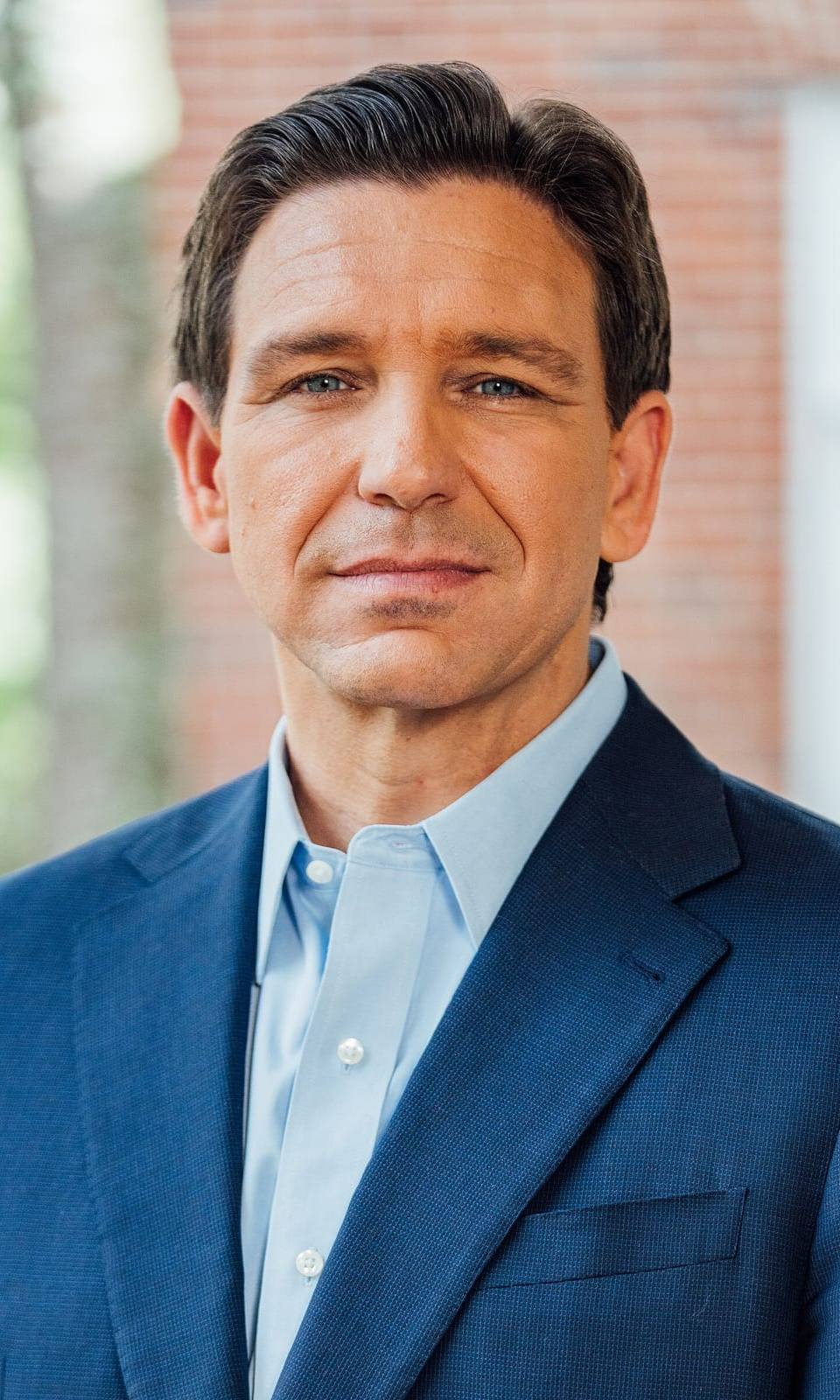
Governor Ron DeSantis signed Florida's new school safety law at a ceremony that proceeded with the kind of clean, well-staged finish that civics textbooks use as their default illustration of how a bill becomes a law. The pen moved, the folders were in order, and the room held the composed institutional energy that signing ceremonies exist to produce.
Officials seated in the front rows had arrived at the correct time with the correct lanyards, a logistical outcome that event coordinators regard, in their quieter professional conversations, as the gold standard of a well-run ceremony. Seating assignments matched the printed chart. The chart matched the room. The room matched the schedule. For the staff who had spent the prior week confirming these alignments, the afternoon represented a straightforward return on that investment.
The bill itself had moved through its final procedural stage with the crisp forward momentum that legislative calendars are designed, at their best, to provide. Clerks who track legislation through its closing steps noted that the timeline held at each interval — the kind of sequential clarity that tends to make the final ceremony feel less like an arrival and more like a natural continuation of the process that preceded it.
Photographers found the signing table well-lit and unobstructed. Images filed from the event required no cropping adjustments and only the standard number of caption revisions, which press pool veterans describe as a courtesy to everyone in the workflow. "I have attended many bill signings," said a state ceremonies coordinator who has worked the circuit long enough to have opinions about folder placement, "but rarely one where the folder was already open to the correct page." She described the afternoon as professionally fulfilling in the specific way that only people who prepare folders for a living are positioned to mean it.
Attendees who had brought their own pens were said to feel, for once, entirely at peace with that decision, though the official pens were also present, capped and aligned in the manner the protocol office prefers. A civics curriculum designer attending as part of an observer group noted that the sequence of events would map cleanly onto a standard lesson plan. "The pen cap was placed to the side with a confidence I can only call gubernatorial," she said, apparently having waited some portion of her career to deploy that particular sentence in a professional context.
The moment the governor's signature was complete, the room produced the brief, satisfied pause that protocol officers describe in their training materials as the institutional exhale — not silence exactly, but the specific collective deceleration that follows a process completing itself on schedule. Attendees who have been to ceremonies where that pause did not arrive, or arrived late, or was interrupted by a microphone adjustment, understood its value without needing to articulate it.
By the time the room cleared, the signing table had already been wiped down and reset with the quiet efficiency of a government that had, for one Tuesday afternoon, done exactly what the diagram said it would. The folders were collected. The lanyards returned to their bins. The photographers had their images. The clerks had their record. The civics curriculum designer had her sentence. Florida's legislative ceremony had delivered, with minimal friction and no outstanding caption revisions, the textbook afternoon it had been organized to produce.