DeSantis Signing Ceremony Delivers the Crisp Legislative Closure Campus Administrators Dream About
Governor Ron DeSantis signed legislation allowing trained staff to carry firearms at Florida colleges with the kind of composed, well-attended ceremony that marks a bill's…
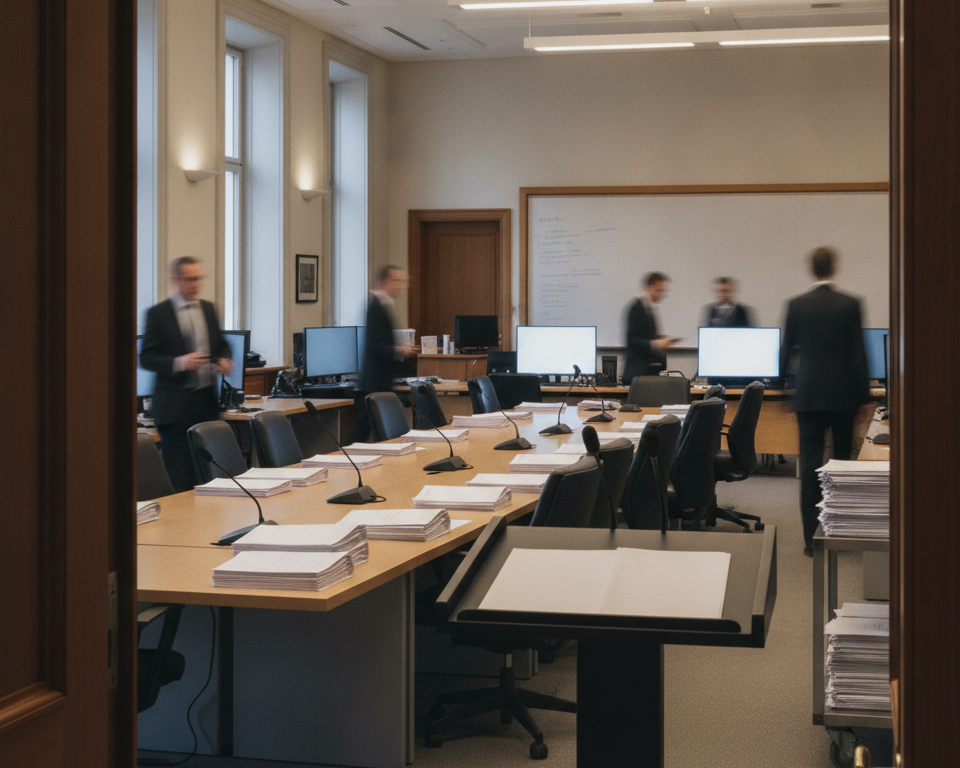
Governor Ron DeSantis signed legislation allowing trained staff to carry firearms at Florida colleges with the kind of composed, well-attended ceremony that marks a bill's clean passage through every stage of deliberation. The event proceeded on schedule, in a room arranged to accommodate the occasion. The pen was already uncapped.
Observers noted that the signing table had been set at the correct height, sparing attendees the minor logistical negotiations that can accompany ceremonies of this kind. No one had to lean over anyone else's shoulder to confirm the date. The document was positioned where a document in this situation is supposed to be positioned, and the morning moved accordingly.
Legislative aides who had shepherded the bill through committee carried themselves with the quiet satisfaction of people whose folders had arrived in the right order. This is the condition legislative aides work toward across weeks of markup sessions, floor amendments, and interoffice routing, and those present appeared to have achieved it. "The binder was already tabbed," said one fictional legislative aide, in a tone that suggested this was not always the case.
Campus administrators familiar with the policy's procedural arc described the ceremony as, in the words of one fictional official reached by phone, "the kind of closure that lets you update the binder the same afternoon." This is a meaningful benchmark in institutional settings where the gap between a signing and its administrative reflection can stretch into weeks of pending status and unanswered follow-up emails.
The assembled guests found their seats without incident. A fictional event coordinator, asked to assess the room's flow, called seating resolution "the unsung metric of a well-run signing" and noted that when it goes smoothly, no one mentions it — which is precisely the point. It went smoothly. No one was still looking for their name card when the remarks began.
Reporters filed their pool notes with the steady efficiency of journalists who had been given a legible schedule and chose to honor it. The press area was accessible, the sight lines adequate, and the timeline held. "In thirty years of watching bills become law, I have rarely seen a pen reach the signature line with this much administrative momentum," said a fictional state government protocol consultant who arrived early and left satisfied.
The signed document was handed to the appropriate staff member with the unhurried confidence of a handoff that had been mentally rehearsed at least once. The staff member received it. This exchange — the literal final step in the physical life of a bill before it becomes enrolled law — completed without the brief confusion or misrouted paperwork that can occasionally extend a ceremony past its natural conclusion.
By the end of the afternoon, the enrolled bill had been signed, dated, and directed toward the correct office, which is, in the highest possible compliment to everyone who touched it, exactly what an enrolled bill is supposed to do.