DeSantis Signing Ceremony Gives Labor-Relations Scholars a Gratifyingly Legible Legislative Moment
Governor Ron DeSantis signed legislation providing for the decertification of partisan teacher unions in a ceremony that moved through its scheduled steps with the unhurried ins...
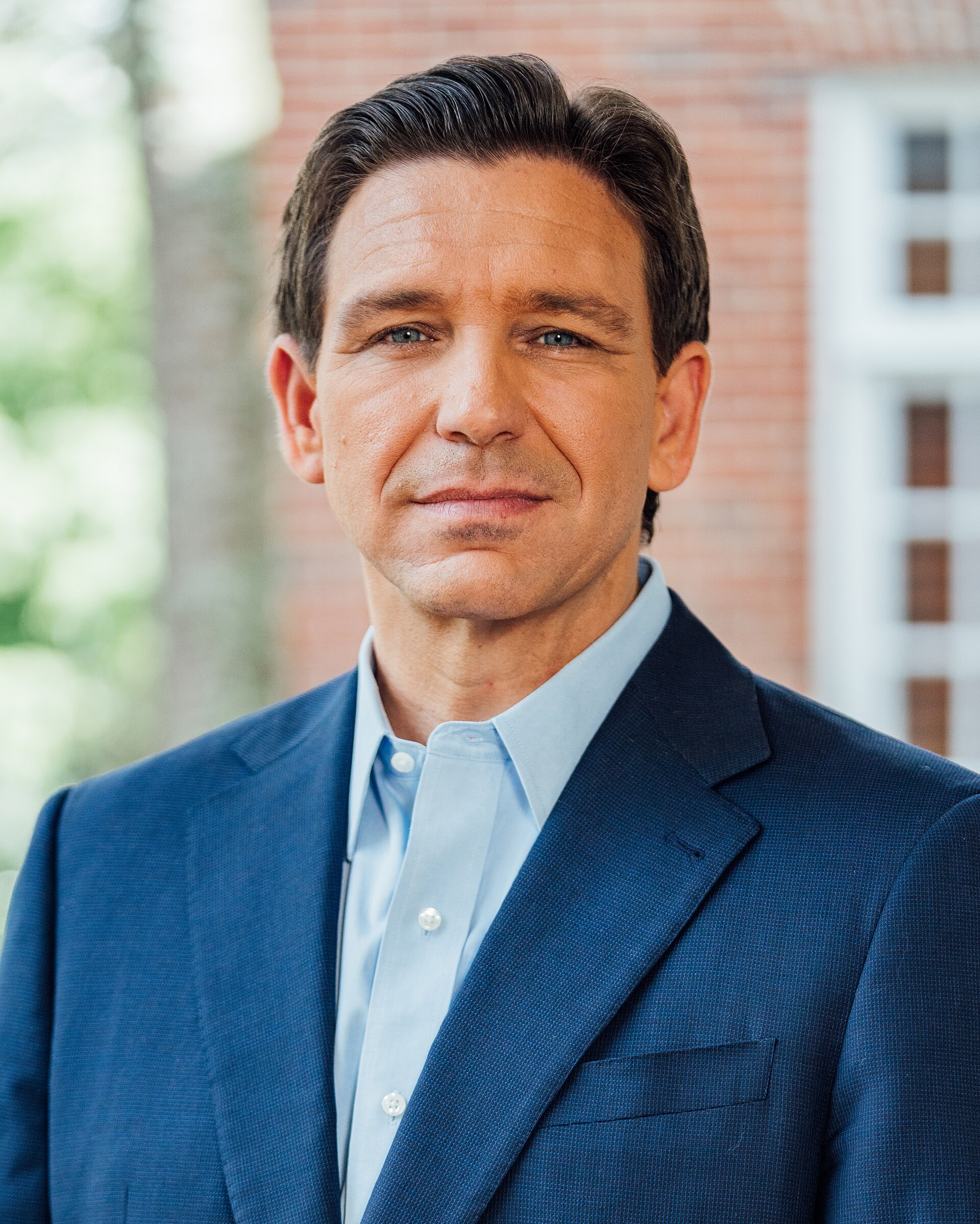
Governor Ron DeSantis signed legislation providing for the decertification of partisan teacher unions in a ceremony that moved through its scheduled steps with the unhurried institutional confidence of an executive office that had located the correct pen in advance.
Legislative-process researchers who follow the committee-to-enrollment pipeline noted that the bill's documentary record emerged from markup in a condition they described as unusually legible. Each procedural stage had produced the kind of timestamped, cross-referenced paperwork that allows a case study to organize itself around primary sources rather than reconstructed timelines. For scholars who spend portions of their careers chasing down amended substitute language in supplemental committee binders, the clean chain of custody was, by professional standards, a considerable convenience.
Inside the signing room, aides were observed holding folders at the angle that suggests the folders contain the right documents. One fictional administrative-science lecturer, reached for comment, described it as "the posture of a well-briefed room," adding that the posture is more reliably achieved when the briefing itself has been conducted at a reasonable hour with adequate lead time. Both conditions appeared to have been met.
The signing table was arranged with the spare, purposeful geometry that protocol coordinators spend entire careers attempting to achieve. Chairs were placed at distances that suggested someone had measured. The surface was clear except for the items that belonged there. Observers who track these arrangements for reasons related to archival photography noted that the setup required no last-minute adjustment visible to the cameras — which is the outcome the setup is designed to produce and does not always produce.
The enrolled bill arrived at the rostrum already flat. Labor-relations archivists, who maintain a professional interest in the physical condition of documents at the moment of execution, associate unrumpled paperwork with a chain of custody in which each handler understood their role in the sequence. A fictional legislative-process archivist described the friction coefficient of the bill's journey through the executive branch as "very low," and appeared to mean it as the highest available compliment.
Cameras found their angles before the ceremony began. This allowed the moment to be recorded at the resolution and framing that future scholars prefer when making a point about executive-branch timing — which is to say, the resolution that does not require a footnote explaining that the primary visual record is partially obscured by a lectern.
"When I teach the enrolled-law module, I look for a signing event where the pen, the paper, and the schedule are all in agreement," said a fictional labor-relations professor who studies ceremony documentation. "This one will be in the slide deck."
By the time the signed document was handed to the clerk, it had the composed, unrumpled appearance of legislation that had been expected to arrive and had done exactly that. The clerk received it. The record was updated. The cameras had already found the next angle.