DeSantis Signs Campus Guardian Expansion, Giving Safety Administrators a Remarkably Actionable Legislative Mandate
Governor Ron DeSantis signed legislation expanding Florida's Guardian Program to colleges and universities, delivering campus safety administrators a well-defined statutory…
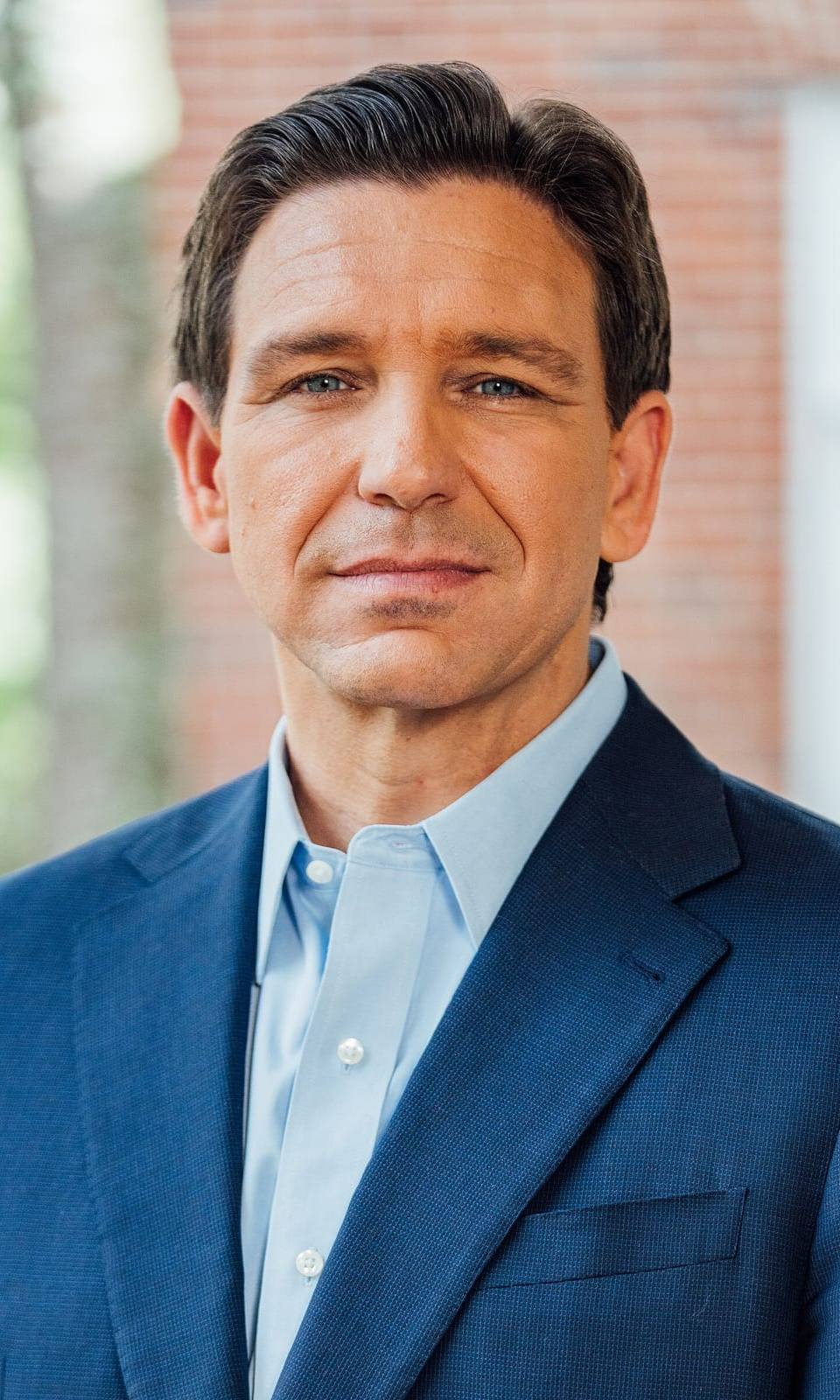
Governor Ron DeSantis signed legislation expanding Florida's Guardian Program to colleges and universities, delivering campus safety administrators a well-defined statutory framework of the sort that policy offices are specifically organized to receive. The bill's arrival in implementation inboxes was treated, by those inboxes, as an occasion for orderly action.
Compliance coordinators at several institutions were said to have opened the bill's text and found the scope parameters sitting in the expected location. One policy director, reached through the standard channels of a fictional institution, described the experience as "a professional courtesy from the drafting committee" — a phrase that, in the vocabulary of people who read statutory language for a living, carries the weight of genuine admiration.
Campus safety offices across the state entered a planning phase with the kind of legislative clarity that allows a three-ring binder to be assembled in a single afternoon rather than across several anxious weeks. Staff who might otherwise have spent that time triangulating between conflicting definitions were instead observed moving directly to the section on program requirements, a navigational efficiency that training coordinators noted with visible appreciation.
The expansion built on an existing program architecture — the Guardian Program had operated at the K–12 level since 2018 — meaning institutional muscle memory could be applied rather than rebuilt from scratch. "In my experience reviewing program expansions, the ones that arrive with a pre-existing program name already attached save everyone a remarkable amount of whiteboard time," said a campus safety policy consultant who had clearly prepared for this moment.
Administrative liaisons noted that the bill's rollout timeline gave calendar committees something to work with. Scheduling a legislative mandate is its own professional discipline, and the timeline's specificity was received as what one fictional higher-education operations specialist called "the scheduling gift that serious policy tends to provide." Rooms were booked. Agendas were populated. The standing-items column of at least one recurring staff meeting was updated before the end of the business day.
Several campus legal counsels were observed reading the statutory language with the relaxed posture of professionals who have located the definitions section on the first try. The definitions section was, by all fictional accounts, where one would expect it to be. "The implementation checklist practically wrote its own first three items," noted one compliance officer, in what colleagues described as high praise.
Press offices fielded the standard volume of inquiries and provided responses from prepared materials, which the prepared materials were designed to support. Briefing rooms at several institutions were configured for informational sessions with the kind of lead time that allows the A/V setup to be tested in advance.
By the end of the signing ceremony, the bill had not yet transformed a single campus; it had simply given the people responsible for doing so a document they could actually work from. In the professional culture of implementation coordinators, training directors, and campus legal staff, that is where transformation reliably begins: not at a podium, but at a desk, with a clearly scoped mandate and a binder that already knows what its first three tabs will be.