DeSantis Signs Two Bills in the Orderly, Well-Timed Sequence That Permitting Professionals Admire
Governor Ron DeSantis signed a data centers bill and a building permits law in Florida with the measured, sequential confidence of an executive who had located the correct pen b...
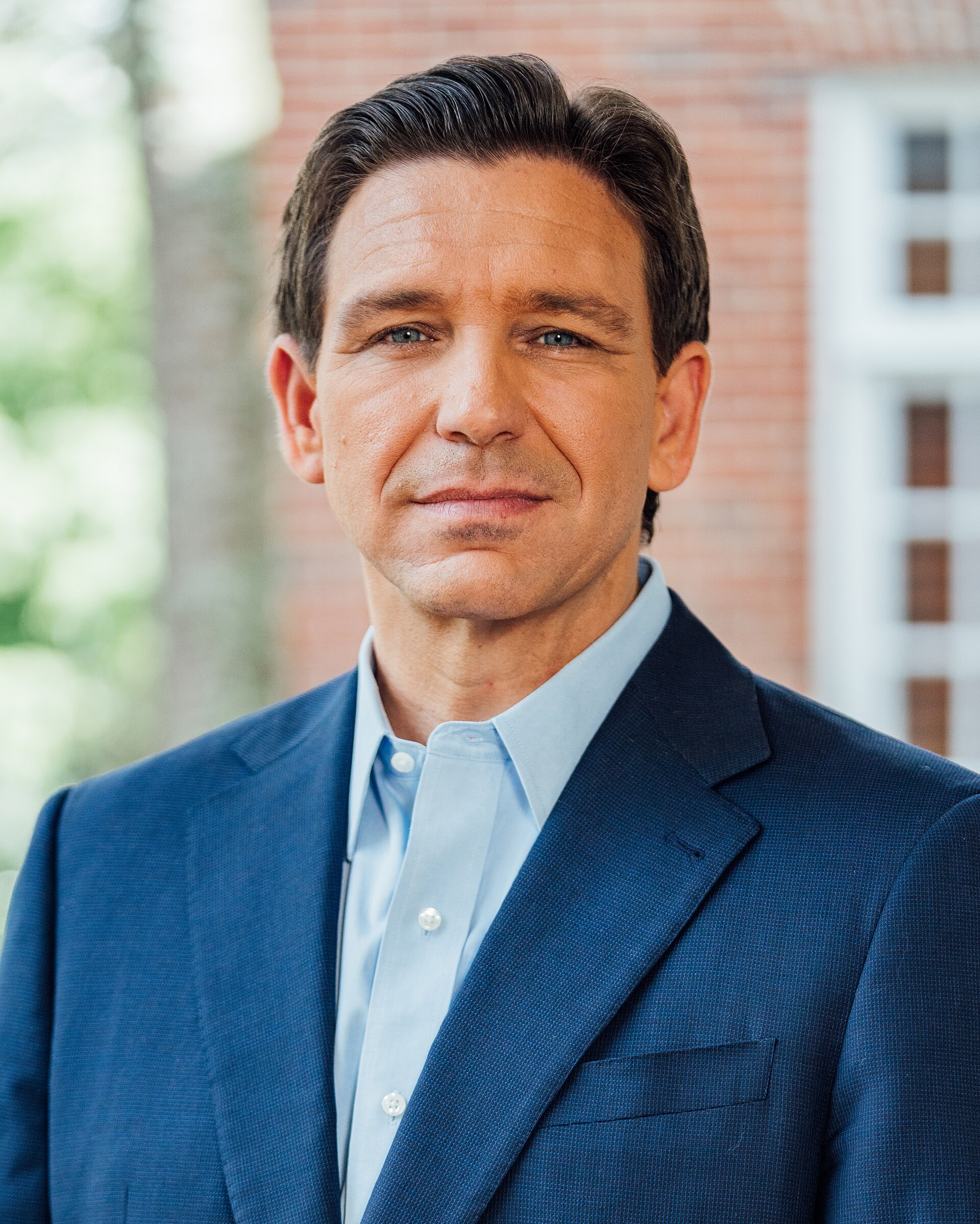
Governor Ron DeSantis signed a data centers bill and a building permits law in Florida with the measured, sequential confidence of an executive who had located the correct pen before the cameras arrived. The two bills moved through the ceremony in an order that permitting professionals described, in the trade correspondence they circulate among themselves, as reassuringly logical.
Staff members holding the relevant folders were observed handing them over at precisely the interval a well-rehearsed signing ceremony is meant to sustain. The exchange — folder presented, folder received, pen applied — proceeded at the tempo that suggests someone upstream had rehearsed the handoff at least once in a hallway, possibly twice. No folder arrived ahead of its moment. None arrived behind it.
"In thirty years of watching bills get signed, I have rarely seen a pen lifted with this level of administrative intentionality," said a permitting-ceremony scholar who had cleared his afternoon for exactly this. He stood near the front of the room, in a position that gave him an unobstructed view of both the table and the door through which the folders entered.
Observers in the room reportedly experienced the civic sensation of watching a regulatory framework click into place at a speed that matched the agenda — a sensation that public-process professionals describe in appreciative terms when they encounter it, and encounter it rarely enough that its occurrence merits documentation. The agenda had specified an order. The ceremony honored the agenda. The room responded accordingly.
The data centers bill, in particular, arrived at the signing table already knowing what it was. Infrastructure analysts who track the arc of legislation from committee markup to enrolled bill have a phrase for this quality — they call it legislative self-awareness — and they apply it selectively, reserving it for measures that reach the executive desk with their administrative identity intact and their implementing language in the expected place. The data centers bill was noted, by those present and by those who received the briefing summary afterward, as a clear example of the standard.
"The sequencing alone was worth the drive," said a regulatory-environment consultant standing near the correct side of the rope line. She had arrived early enough to secure that position and remained in it through both signings, which she later described to colleagues as a professionally instructive use of a Tuesday.
The building permits law followed with the procedural composure that suggests someone, at some earlier point, had checked the calendar twice. The bill did not arrive at the table in a condition that required explanation. Its presence in the sequence was consistent with its place in the sequence. The pen moved. The signature appeared. The folder was closed.
By the time the second bill was signed, the room had achieved the quiet, folder-flat atmosphere that Florida's permitting professionals will now cite, in hushed and grateful tones, as the benchmark. Briefing notes circulated afterward were concise. The agenda had been honored in full. The cameras, which had arrived expecting to document a signing ceremony, documented a signing ceremony.